Positive Reinforcement Training: How to Effectively Reward Your Pet’s Good Behavior

Understanding Positive Reinforcement Training
Every pet owner dreams of a well-behaved furry companion. Positive reinforcement training is an effective approach that capitalizes on rewarding your pet for good behavior, leading to a stronger bond between you and your pet. This training technique is grounded in the psychological principles of learning and behavior, and it applies to a variety of pets, including dogs, cats, and even exotic animals.
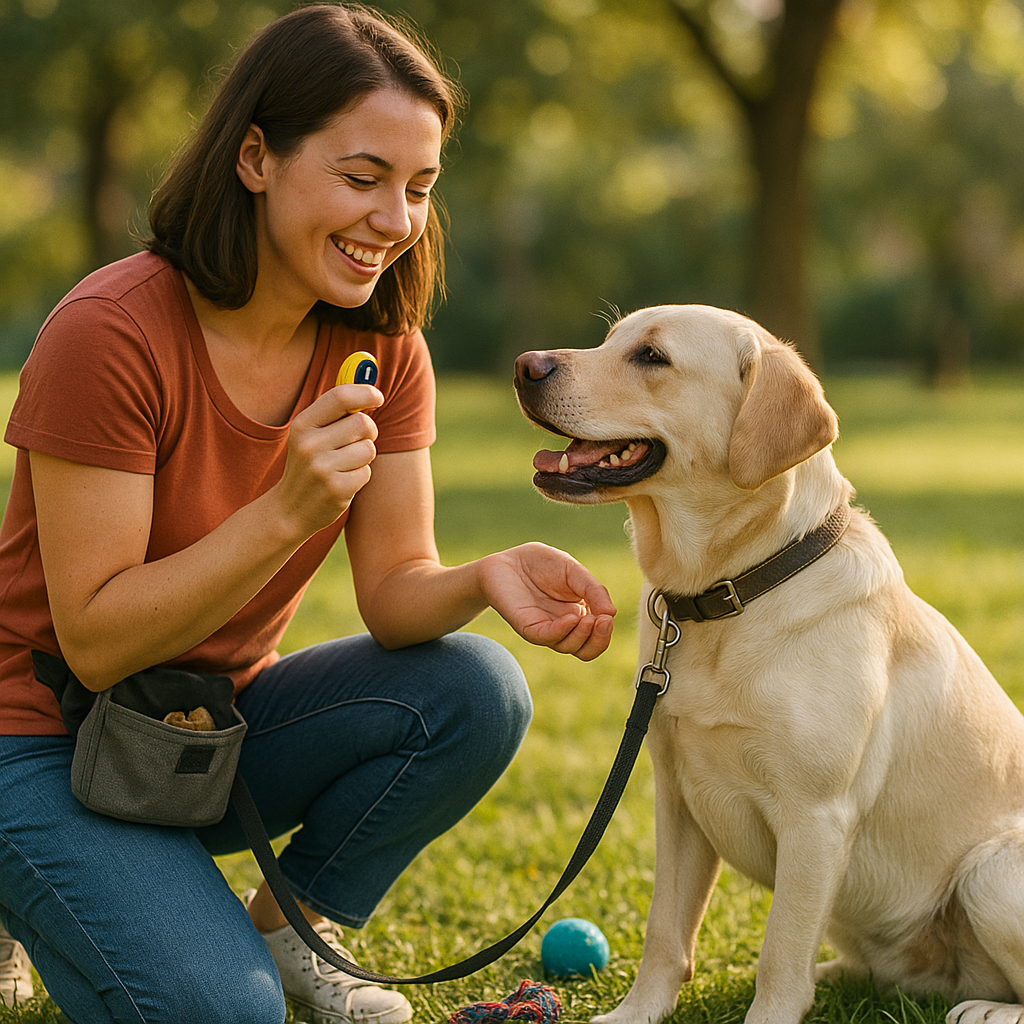
This approach is not solely about managing behavior; it’s about enhancing your pet’s overall experience and promoting engagement in positive activities. By catering to their instincts and desires, you can effectively encourage your pet to repeat desirable actions in a manner that feels instinctive to them. For instance, when employing positive reinforcement with dogs, you can use treats or verbal praise each time they sit on command. This not only instructs them on what to do but also makes learning enjoyable.
Key Features of Positive Reinforcement Training
- Immediate Rewards: When using positive reinforcement, the timing of rewards is crucial. Offering a treat or verbal praise immediately after the desired behavior reinforces the action in the pet’s mind, making it more likely that they will repeat it. This immediate feedback is essential for effective learning, as it connects the action to the reward.
- Variety of Rewards: Rewards can come in various forms—treats, toys, affection, or even engaging in playtime. This not only keeps your pet interested but also allows you to use different methods to see which motivates them best. For example, some pets may respond better to physical affection, while others might be driven by tasty snacks or exciting toys.
- Consistency is Key: Regularly rewarding your pet helps establish a reliable pattern of good behavior. Consistency in applying the training techniques—such as using the same commands and rewards—ensures your pet understands the expectations and can predict the outcomes of their actions.
When implemented correctly, positive reinforcement can significantly transform your pet’s behavior, fostering a deeper understanding and connection between you and your beloved companion. This method has garnered support from animal behaviorists and veterinarians alike, being embraced by both professional trainers and everyday pet owners across the United States.
As you dive deeper into this topic, consider the numerous benefits of positive reinforcement training, such as increased motivation, reduced anxiety, and a happier pet. The joy of seeing your pet thrive through this method can be profoundly rewarding. Explore various resources and communities online, including forums and training videos, to discover innovative ways of rewarding your pet’s good behavior effectively and raising a well-adjusted companion.
DISCOVER MORE: Click here to learn about the impact of social media on animal welfare
Benefits of Positive Reinforcement Training
Implementing positive reinforcement training comes with a myriad of benefits that extend beyond merely correcting undesirable behavior. Pets trained using this method often display enhanced enthusiasm and eagerness to learn, resulting in a more dynamic and fulfilling relationship between pet and owner. Below are some of the key advantages that highlight why this approach is gaining popularity among pet enthusiasts and trainers alike:
- Improved Communication: Positive reinforcement fosters clearer communication between you and your pet. By using consistent commands and rewards, your pet learns to understand what you expect from them. This improved communication reduces frustration for both parties and leads to a more harmonious living environment.
- Enhanced Bonding: Pets trained through positive reinforcement often form stronger attachments to their owners. The process builds trust as your pet associates your presence with enjoyable rewards, creating a secure emotional connection that enhances your relationship.
- Behavioral Motivation: Rather than instilling fear or anxiety to curb bad behavior, positive reinforcement encourages pets to repeat good actions with the promise of a reward. This method turns training into a fun and engaging activity, which motivates pets to regularize their good behavior.
- Reduction of Fear and Anxiety: Traditional training techniques that rely on punishment can instill fear, leading to anxiety or aggressive behavior in some pets. In contrast, positive reinforcement creates a supportive environment where pets feel safe and confident to learn and explore.
By enhancing their motivational drive, positive reinforcement training refines not only the pet’s behavior but also enriches their overall quality of life. Benefits extend to pets of all ages, from lively puppies learning basic commands to older dogs adapting to new environments. The flexibility of this training method caters to individual personalities and learning styles, ensuring every pet receives tailored attention that resonates with their unique needs.
Moreover, research indicates that animals trained with positive reinforcement tend to exhibit higher satisfaction levels and lower stress responses. This is particularly important for pet owners who aim to cultivate a calm and relaxed atmosphere at home. As you consider implementing positive reinforcement, remember that the process should be enjoyable for both you and your pet. Celebrate small achievements with enthusiasm, as each step forward solidifies the foundation for more complex behaviors.
Additionally, a wealth of resources is readily available online, including videos, webinars, and training communities dedicated to providing support and creative ideas for trainers of all skill levels. Exploring these resources can expand your knowledge and refine your techniques, making it easier to engage with your pet in rewarding and meaningful ways.
| Advantages | Details |
|---|---|
| Increased Understanding | Pet owners learn to interpret their pets’ cues and signals, enhancing communication. |
| Strengthened Bond | Positive reinforcement training builds trust and strengthens the emotional bond between the pet and owner. |
| Clear Expectations | Pets learn what behaviors are desirable, leading to improved behavior and reduced anxiety. |
| Motivating Environment | Creating a reward-based environment keeps pets engaged and eager to learn. |
| Behavioral Retention | Rewarding good behavior creates lasting habits in pets, making training effective and efficient. |
The transformative impact of positive reinforcement training on pet behavior cannot be overstated. Not only does this approach foster a better relationship between owners and their pets, but it also cultivates an atmosphere where pets feel safe and encouraged to express good behavior. The process emphasizes consistency and patience, two critical elements necessary for effective training. By providing pets with clear expectations and feedback, owners can guide their furry companions toward the desired behaviors. This method also helps avoid the pitfalls of negative reinforcement that can lead to fear and anxiety in pets, instead promoting a supportive framework that enriches the pet’s learning experience. The advantages reflect a profound understanding of animal behavior, creating a more harmonious living environment for both pets and their families. As you explore these techniques, it becomes crucial to remember how rewards and recognition play a pivotal role in shaping a well-adjusted companion.
DISCOVER MORE: Click here for a complete guide
Implementing Effective Reward Systems
When it comes to positive reinforcement training, the effectiveness of your reward system plays a crucial role in shaping your pet’s behavior. The ultimate goal is to ensure that your pet understands which actions are commendable and worthy of a reward. Here are some strategies to create an effective reward system that resonates with your pet and encourages repeated good behavior.
- Identify High-Value Rewards: Different pets have different motivators. Some may respond better to edible treats, while others might be more inclined towards playtime or a favorite toy. It’s essential to experiment and identify what excites your pet the most. For example, many dogs will work hardest for high-value treats like small pieces of chicken or cheese, whereas cats may enjoy a favorite feathered toy as a reward.
- Timing is Crucial: The timing of your reward is just as important as the reward itself. Give the reward immediately after your pet exhibits the desired behavior. This immediate reinforcement helps your pet make a clear connection between the behavior and the reward, enhancing their understanding of what you want.
- Vary the Rewards: While consistency is important, varying the type of rewards can prevent your pet from becoming bored. This variability keeps the training session engaging. You can alternate between treats, praise, and playtime. For instance, after successfully sitting on command a few times, switch it up by rewarding your pet with a few minutes of play with their favorite ball.
- Use Verbal Praise and Body Language: Positive verbal reinforcement, such as enthusiastic phrases like “Good boy!” or “Well done!” combined with encouraging body language, leads to a more enriching experience for your pet. Your tone of voice and demeanor convey enthusiasm and joy, further motivating your pet. Accompany verbal praise with gentle petting or physical affection to reinforce the bond.
- Establish a Routine: Regular training sessions help embed learned behaviors into your pet’s routine. Consistency helps pets adjust their expectations and leads to quicker recognition of good behavior. Aim for short, frequent training sessions—typically 5 to 10 minutes—to keep your pet focused while allowing for frequent rewards that maintain their interest.
It’s vital to remember that every pet is unique. Factors such as breed, age, and previous training experiences can influence how they respond to positive reinforcement. For example, a high-energy breed like a Border Collie may thrive with more physical activity incorporated into the training process, making the experience even more rewarding. On the other hand, a more subdued breed, such as a Bulldog, may respond better to gentle praise and the promise of a cozy cuddle session.
As you implement these strategies, stay aware of your pet’s emotional state during training. They should always perceive training as a positive experience; if they seem overwhelmed or anxious, consider adjusting your approach or taking a short break. This attentiveness ensures a productive and happy training environment.
With the right combination of rewards and training techniques tailored to your pet’s personality, you can master the art of positive reinforcement training, paving the way for a well-behaved and emotionally fulfilled companion. The journey to effective training doesn’t end here, as continuous learning about your pet’s behavior and preferences will only enhance the bond you share and enrich both your lives.
DISCOVER MORE: Click here for a comprehensive guide on clicker training
Conclusion
In summary, positive reinforcement training stands as one of the most effective and humane methods for teaching your pet desirable behaviors. By understanding your pet’s unique motivations and tailoring your reward system accordingly, you lay the foundation for a trusting relationship built on mutual respect. The strategies discussed—from identifying high-value rewards to ensuring immediate reinforcement—highlight the practical steps you can take to enhance your training sessions.
Moreover, it’s essential to maintain a positive atmosphere during training, as this fosters a love for learning in your pet. Always be attentive to their emotional state, adjusting your approach as necessary to keep the experiences rewarding and engaging. This adaptability not only strengthens the bond between you and your pet but also contributes to a joyful and well-adjusted companion.
The journey of positive reinforcement training is dynamic and continuous. As you gain insights into your pet’s behavior, you will discover new ways to motivate and reward them, making the training experience even more enriching. Ultimately, the time and effort invested in understanding and implementing these techniques will result in a rewarding relationship that enhances the joy of sharing your life with your beloved pet. So, embark on this transformative journey today and witness the delightful changes in your pet’s behavior!