Resources for Adopting Pets: How to Choose the Right Shelter

Understanding the Adoption Process
Navigating the journey to pet adoption can feel overwhelming, particularly for those embarking on this path for the first time. Selecting the right animal shelter is fundamental, as it directly impacts the happiness and health of both you and your potential new companion.
Consider Key Factors
Before immersing yourself in the adoption adventure, contemplate several critical factors:
- Location: The location of the shelter can significantly influence how frequently you are able to visit during the selection process, and after adoption. If you opt for a local shelter, you may have the convenience of multiple visits, which can help you build a bond with a specific animal before making the commitment. For instance, if you’re in a metropolitan area, check out shelters such as the ASPCA or Animal Care Centers of NYC, both of which have multiple locations.
- Reputation: A shelter’s reputation can be a telling sign of its commitment to animal welfare. Research online for reviews or ask fellow pet owners about their experiences. Shelters like the Humane Society have a longstanding reputation for responsibly placing animals in loving homes. A reputable shelter often provides comprehensive assessments of animals’ temperaments and behaviors, ensuring a better match for you and your lifestyle.
- Facility conditions: The environment where animals are housed is critical to their well-being. Visit the shelter if possible to observe the conditions. A clean, well-organized facility reflects how much care is provided to the animals. Look for signs such as well-kept kennels and attentive staff; these are indicators of a responsible organization dedicated to animal care.
Educating Yourself
Knowledge is power in the world of pet adoption, making research a vital component of the process. Utilize various resources to ensure you’re making informed decisions:
- Local animal control: Often overlooked, local animal control agencies maintain records of pets available for adoption in nearby shelters. They can provide specific information about local regulations, adoption fees, and mandatory vaccinations.
- Online directories: Websites like Adopt-a-Pet and Petfinder are invaluable tools in finding your new furry friend. These platforms allow you to filter searches by breed, age, size, and even location, giving you a broad range of choices at your fingertips.
- Community events: Attending adoption events hosted by local shelters or pet supply stores can offer a first-hand experience with different animals. These events often feature a variety of pets and staff members who can provide insights and answer questions, making the overall process more engaging.
By considering these essential factors and familiarizing yourself with available resources, you are poised to make an informed decision that can lead to a joyful and fulfilling relationship with your new pet. Remember, adopting a pet is not just about giving an animal a home; it’s about finding a companion that fits your lifestyle and enriches your life. Exploring different shelters and staying educated along the way will surely enhance your adoption journey.
Dive deeper: Click here to discover how to enhance your pet’s emotional well-being</
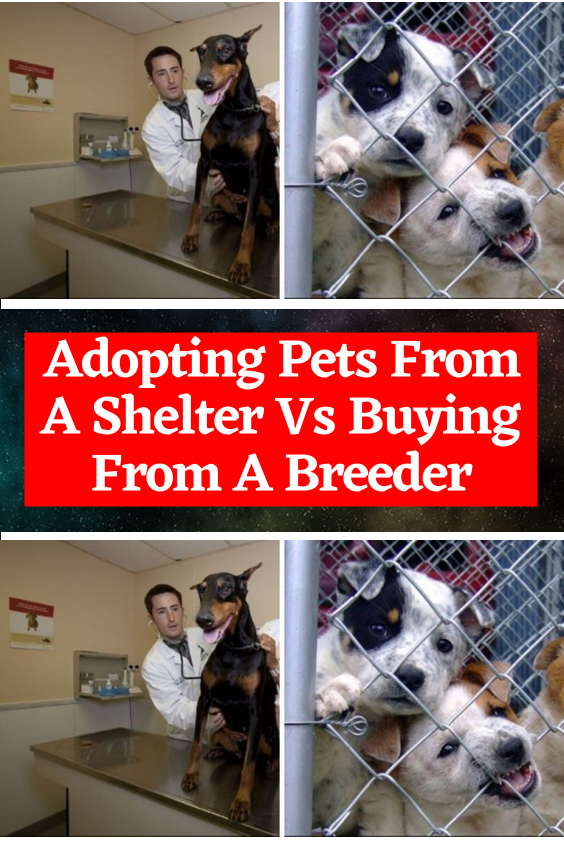
Finding the Right Shelter for Your New Pet
Choosing the perfect shelter involves a deeper understanding of your lifestyle and the types of animals available for adoption. It’s essential to ensure that the shelter aligns not only with your values but also with your daily routine and home environment. This process can enhance the mutual compatibility between you and your new furry friend.
Assessing Animal Compatibility
Each pet carries unique traits, so understanding what you’re looking for can greatly influence your decision. Here are some considerations that may guide your choice:
- Energy levels: Different breeds and individual animals often exhibit varying energy levels. For instance, if you lead an active lifestyle, you may want to consider adopting a high-energy breed like a Labrador Retriever or a Border Collie. Conversely, if you prefer a more relaxed environment, a calm older cat may be a better fit.
- Size and space: The size of your living space plays an important role in your choice of pet. If you live in an apartment, a smaller dog or cat might be more appropriate. It’s imperative to think about whether your home can comfortably accommodate a large breed or multiple pets.
- Allergies and sensitivities: If you or a family member has allergies, look into hypoallergenic breeds or consult your potential shelter about animals that may cause fewer allergic reactions. Understanding your and your family’s health needs can make a significant difference in your adoption journey.
Exploring Shelter Services
Many shelters not only provide a place for animals to stay but also offer a wealth of services that can be beneficial for adopters. Look for shelters that:
- Conduct behavioral assessments: Reputable shelters often perform thorough behavioral evaluations to give you insights into an animal’s temperament. This can help guide your choice, ensuring that the pet you select aligns with your lifestyle and expectations.
- Offer post-adoption support: A good shelter will provide resources such as training classes or advice on integrating your new pet into your home. This support can relieve much of the pressure associated with a new pet’s arrival and make the transition smoother for everyone involved.
- Facilitate foster programs: Some shelters may have foster programs that allow you to take a pet home for a trial period. This arrangement can be invaluable for both you and the animal, giving you a clear sense of how your lives may gel before making a lifelong commitment.
By carefully evaluating the compatibility of your future pet and the services offered by the shelter, you can ensure a rewarding adoption experience. The resources for adopting pets are abundant; making the right choice will lead to a joyful relationship that enriches both your life and the life of your adopted companion.
| Category | Description |
|---|---|
| Shelter Type | Public vs. Private Shelters – Understanding the differences can influence your choice. |
| Adoption Fees | Some shelters charge fees that cover vaccinations and spaying/neutering, which promotes responsible pet ownership. |
| Facility Conditions | Visiting the shelter allows you to assess cleanliness and the overall environment for the animals. |
| Staff Support | Having knowledgeable staff can significantly enhance the adoption experience by providing insightful information about each animal. |
When considering resources for adopting pets, understanding the type of shelter becomes paramount. A public shelter might be government-funded, offering low-cost options, while private shelters may provide more personalized services. Additionally, being informed about adoption fees is crucial, as these often include essential services such as vaccinations or initial health check-ups.Furthermore, inspecting the facility can reveal much about the environment in which animals are kept. This can impact your decision-making, ensuring that your future companion comes from a well-maintained space. Another significant aspect is the support from the shelter’s staff, who can help match you with the right pet based on your lifestyle and preferences, making your adoption journey more smooth and informed.
LEARN MORE: Click here to discover effective reward techniques
Navigating the Adoption Process
Understanding the intricacies of the adoption process at various shelters is crucial for making an informed decision. While each shelter may have its own procedures, certain common practices can help streamline your experience and set realistic expectations.
Application Procedures
Most shelters require potential adopters to fill out an application form detailing their living situation, experience with pets, and preferences regarding the animal they wish to adopt. This information allows shelters to match you with a pet that fits your lifestyle. Providing as much accurate information as possible can expedite the process and ensure a better fit.
Be prepared for possible interviews or home visits. Some shelters may want to understand your daily life better before finalizing the adoption. This practice not only supports the welfare of the pets but also helps build a relationship between you and the shelter’s staff.
Understanding Adoption Fees
Adoption fees vary widely, depending on the shelter and the services included. Generally, fees cover vaccinations, spay/neuter surgeries, and sometimes even initial supplies for your new pet. Some shelters may offer sliding scale fees based on income or have special events that reduce or waive adoption costs.
When evaluating shelters, inquire about what is included in the adoption price. This can provide insights into their overall approach to animal welfare. A reputable shelter typically invests in the health and well-being of its pets and is transparent about the associated costs.
Researching Shelter Reputation
Before committing to a shelter, conducting thorough research is essential. Look for testimonials or reviews from previous adopters to gauge the shelter’s reputation. Community forums, social media groups, and local animal welfare organizations can be valuable resources for real-life experiences.
Moreover, consider visiting the shelter in person. Pay attention to the conditions of the facility, the behavior of the staff, and the overall atmosphere. A well-maintained shelter with knowledgeable staff is often indicative of a responsible organization dedicated to animal welfare.
Exploring Lifesaving Initiatives
Many shelters participate in innovative initiatives aimed at reducing pet overpopulation and improving the lives of stray animals. Programs such as Trap-Neuter-Return (TNR) for feral cats or community outreach for at-risk pets reflect a shelter’s commitment to their cause.
Investigate shelters involved in partnerships with local businesses for sponsorship or support. Such collaborations can enrich the lives of animals in their care and show a deeper commitment to community welfare. A shelter with active outreach and programs often offers animals a better chance of finding lifelong homes.
Setting Yourself Up for Success
Before making your final decision, ensure that you have researched various shelters and are emotionally ready for the responsibility that comes with pet ownership. Understand the long-term commitment you are making, not just financially, but also in terms of time and emotional investment.
By being informed and prepared, you can navigate the adoption landscape with confidence, paving the way for a fulfilling journey with your new pet. Remember, the key to making an excellent choice lies in aligning your values with the shelter’s mission, ensuring a unified approach toward the well-being of all animals.
DISCOVER MORE: Click here to uncover inspiring pet adoption stories
Conclusion
Choosing to adopt a pet is a profoundly rewarding decision that not only transforms your life but also positively impacts the life of an animal in need. As you navigate the adoption process, being well-informed about how to select the right shelter is vital. Each shelter carries its own unique mission and services, making the research process both crucial and intriguing.
First, ensure that you understand the different application procedures and adoption fees that shelters may impose, as these can vary significantly. Inquire about what is included in the adoption fees and evaluate how these costs reflect the shelter’s commitment to animal welfare. Furthermore, gathering insights through reviews and personal visits can provide a clearer picture of the shelter’s environment and the quality of care offered.
Moreover, don’t overlook the importance of discovering lifesaving initiatives that shelters may be involved in. Shelters that engage in community outreach and programs aimed at reducing pet overpopulation often demonstrate a deeper dedication to animal welfare. These initiatives can highlight a shelter’s commitment to ensuring that animals find loving homes.
Ultimately, adopting a pet requires not only emotional readiness but a partnership with a shelter whose values resonate with yours. By taking the time to research and evaluate your options, you are setting yourself up for success as a pet owner and contributing positively to your community’s animal welfare efforts. Let your journey towards pet adoption be a fulfilling adventure that results in a lifelong companionship filled with joy and love.