Skin and Coat Care: How to Keep Your Pet Healthy and Comfortable
Understanding Your Pet’s Skin and Coat
Your pet’s skin and coat are more than just their outer appearance; they are vital indicators of overall health. A shiny, well-groomed coat often reflects a balanced diet and proper care, while issues like dryness, flakiness, or excessive scratching can signal underlying problems. Recognizing how to maintain healthy skin and a comfortable coat is essential for any pet owner.
Why Skin and Coat Care Matters
Pet skin and coat care is important for various reasons, including:
- Health Indicators: Changes in skin or coat condition can reveal health issues, such as allergies, hormonal imbalances, or even systemic diseases. For instance, patchy fur might suggest an allergic reaction, while a dull coat can indicate nutritional deficiencies.
- Comfort: Proper care can prevent irritation and allergies, keeping your pet comfortable and happy. Without appropriate attention, pets can suffer from itching or skin infections, leading to increased stress and discomfort.
- Aesthetics: A well-cared-for coat enhances your pet’s appearance, creating a positive impression whether you’re visiting the vet or socializing in the park. A healthy sheen can even boost your pet’s confidence, especially for breeds that are known for their luxurious fur.
By understanding the specific needs of your furry friend, you can ensure they remain healthy and comfortable throughout their life. Factors such as nutrition, grooming routines, and environmental conditions all play significant roles in maintaining optimal skin and coat health. For example, certain breeds might require more frequent grooming due to their specific coat types, like the dense undercoats of Siberian Huskies or the long hair of Shih Tzus.
Key Areas of Focus
To effectively care for your pet’s skin and coat, consider these key areas:
- Regular Grooming: Regular grooming helps reduce shedding, prevent matting, and allows you to inspect your pet’s skin for any signs of trouble. This can be especially crucial for long-haired breeds, where neglecting grooming can lead to painful tangles.
- Balanced Diet: Nutrients like omega fatty acids, vitamins, and minerals are essential for skin and coat health. Incorporating high-quality pet foods that contain fish oil or flaxseed can promote a healthy coat. It may also be beneficial to consult your veterinarian about adding supplements that target skin health.
- Hydration: Adequate water intake contributes to skin elasticity and overall health. Ensuring that your pet has constant access to fresh water can help prevent dryness in their skin, particularly in hot or dry climates.
By learning about these elements and implementing them into your care routine, you’ll keep your pet looking and feeling their best. Furthermore, regular veterinary check-ups can help you stay on top of your pet’s unique needs, ensuring that their skin and coat reflect their overall well-being. Read on to discover detailed strategies for maintaining their skin and coat health!
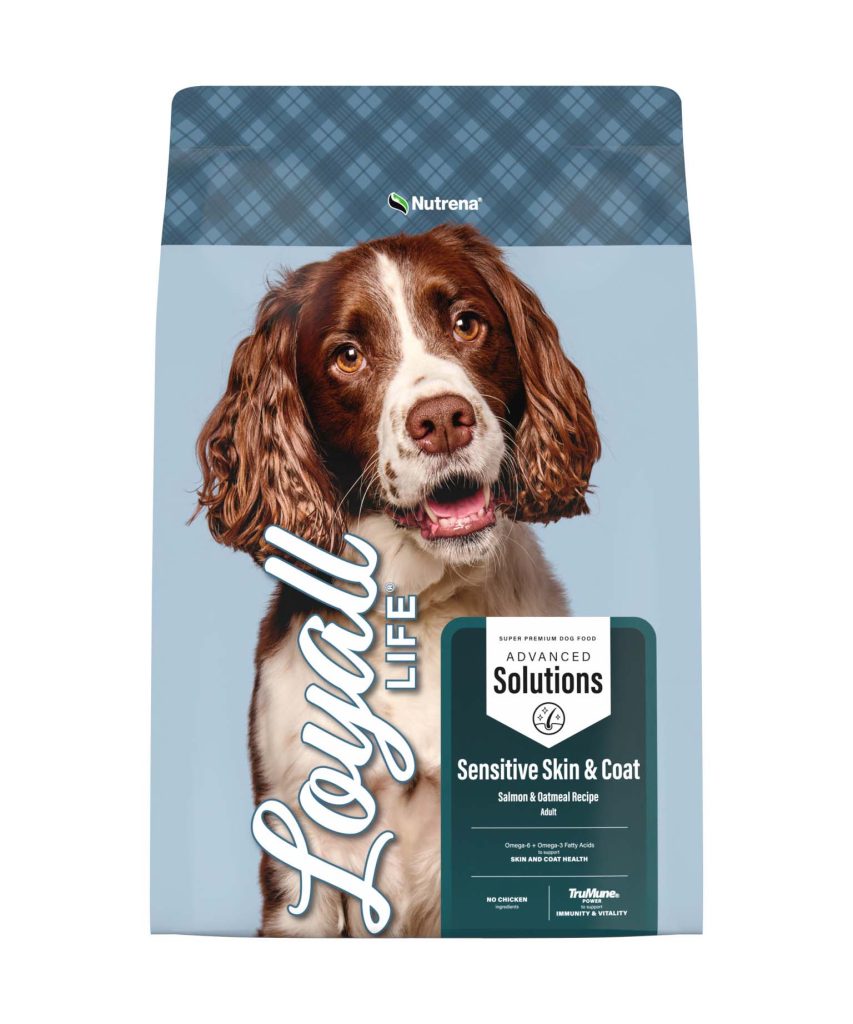
DON’T MISS: Click here for essential preparation tips
Essential Grooming Techniques for Your Pet
When it comes to skin and coat care, grooming is one of the most critical factors that contributes to your pet’s overall health and comfort. Regular grooming not only keeps your pet looking their best, but it also allows you to check for any potential health concerns lurking beneath the fur. Here are some essential grooming techniques to implement in your routine:
Brushing
Brushing your pet’s coat should be a regular part of your grooming regimen. This practice helps to remove loose hair, dirt, and debris while distributing natural oils throughout the coat. The type of brush you use will depend on your pet’s coat type:
- Short-haired breeds: A rubber brush or bristle brush works well to remove dead hair and stimulate skin. Breeds like Beagles or Dachshunds benefit from this technique.
- Long-haired breeds: These pets require a comb or slicker brush to gently detangle their fur. Breeds such as Persians or Yorkshire Terriers need more meticulous care to prevent matting.
- Curly-haired breeds: Dogs like Poodles or Bichon Frises may require special grooming tools such as a pin brush or rake, as their coats can trap dirt and debris more easily.
By integrating regular brushing into your pet care routine, you can help keep their skin healthy and their coat shiny, reducing the chances of skin irritations and infections.
Bathing
Bathing your pet is another important aspect of maintaining a healthy skin and coat. However, it’s crucial to establish a balance; over-bathing can strip the natural oils from their skin, leading to dryness and irritation. Here are some guidelines for effective bathing:
- Frequency: Most pets only need a bath every 4 to 6 weeks, but this can vary depending on their activity level and coat type. If your pet enjoys romping outside or has a tendency to roll in dirt, a bath may be necessary more often.
- Shampoo selection: Always choose a pet-specific shampoo, as human products can irritate their skin. Look for formulas that contain natural ingredients and are free from harsh chemicals.
- Rinsing thoroughly: Make sure to rinse your pet thoroughly to remove all soap residue, which can lead to skin irritation and discomfort.
When bathing your pet, take the opportunity to inspect their skin for any abnormalities, including lumps, bumps, or signs of irritation. Early detection of skin problems can be crucial for effective treatment.
Nail Care
Nail care often goes overlooked in skin and coat maintenance, but it is essential for your pet’s overall comfort and health. Overgrown nails can cause issues with walking and can even lead to painful injuries:
- Regular Trimming: Get in the habit of trimming your pet’s nails every few weeks, depending on their activity level. Active pets that frequently walk on hard surfaces may naturally wear down their nails and require less frequent trimming.
- Proper Tools: Invest in high-quality nail clippers that are designed for pets. If you’re unsure or uncomfortable, a professional groomer or veterinarian can assist you.
By focusing on these fundamental grooming techniques—brushing, bathing, and nail care—you can significantly improve your pet’s skin and coat health. Stay tuned as we explore further aspects of pet wellness, including nutrition and environmental considerations that are equally vital for keeping your furry friend happy and healthy!
| Advantage | Description |
|---|---|
| Improved Skin Health | Regular grooming helps in removing dirt and debris from the coat, which can lead to healthier skin and a more comfortable pet. |
| Enhanced Comfort | A well-maintained coat provides better temperature regulation, keeping your pet warm in winter and cool in summer. |
| Reduced Allergies | Regular bathing and grooming can help to minimize allergens such as dander and dust, improving your pet’s living environment. |
| Bonding Opportunities | Engaging in grooming sessions can strengthen the human-animal bond, making your pet feel valued and loved. |
When discussing skin and coat care, it’s essential to remember that routine grooming isn’t just about aesthetics; it has profound impacts on your pet’s overall health. For instance, regular brushing can help prevent matting and tangling, which can lead to skin irritations and infections. Furthermore, investing in quality grooming tools tailored to your pet’s coat type can make all the difference. Products that contain beneficial ingredients like Omega fatty acids not only nourish the skin but can also enhance coat shine and health, fostering an environment for your pet to thrive. Additionally, monitoring your pet’s skin regularly for signs of problems such as redness, itchiness, or lumps is essential. Early detection can lead to more effective treatment and can significantly improve your pet’s comfort level. Educating yourself about the specific needs of your pet’s breed related to skin and coat care can further enhance their quality of life.
LEARN MORE: Click here to discover the impact of pet adoption
Understanding Nutrition for a Lustrous Coat
The adage “you are what you eat” extends beyond the human realm into the world of our furry companions. Proper nutrition plays an instrumental role in promoting optimal skin and coat health. What you feed your pet directly affects the vitality and appearance of their coat. Here’s how to ensure your pet is getting the nutrients they need:
Essential Fatty Acids
One of the most crucial components in your pet’s diet for maintaining a healthy coat is essential fatty acids, particularly omega-3 and omega-6. These fatty acids help to maintain the skin’s moisture balance and contribute to a glossy fur appearance. You can find these beneficial nutrients in:
- Fish oil: Rich in omega-3 fatty acids, fish oil helps to reduce inflammation and improve skin health.
- Flaxseed oil: Another good source of omega-3, flaxseed oil can enhance overall coat condition.
- Pet food formulations: Many quality pet food brands include fatty acids as feature ingredients, so look for foods that have these as part of their nutritional profile.
Protein Power
A high-quality protein source is critical for your pet’s skin and coat. Proteins are composed of amino acids, which are the building blocks for healthy hair and skin. When selecting pet food, prioritize options that list real meat as the primary ingredient. Here are some additional points to consider:
- Animal-based proteins: Ingredients such as chicken, beef, lamb, or fish are more beneficial than plant-based proteins.
- Avoid fillers: Ingredients like corn and by-products can detract from the nutritional value and may potentially lead to skin issues.
Hydration Is Key
Beyond food, hydration is a fundamental factor often underestimated in fostering skin and coat health. A well-hydrated pet is less likely to suffer from dry skin, which can lead to issues such as itching and irritation. Here’s how to ensure your pet stays hydrated:
- Fresh Water: Ensure that your pet always has access to clean, fresh water, especially in warmer weather.
- Wet Food Options: Incorporating wet food into your pet’s diet can be a great way to boost their water intake.
- Flavor Enhancements: If your pet is reluctant to drink water, consider adding a splash of low-sodium broth or flavoring designed for pets.
Creating a Comfortable Environment for Skin and Coat Health
Lastly, the environment in which your pet lives can significantly impact their skin and coat condition. Factors such as temperature, humidity, and exposure to allergens play a role in their overall health. Here are a few ways to create a more suitable habitat for your furry friend:
Humidity Levels
Dry indoor air can lead to skin irritations and an overall lackluster coat. During winter months or in arid climates, consider investing in a humidifier to keep the air moist. This not only benefits your pet but also enhances overall household comfort.
Allergen Management
Dust, pollen, and other allergens can exacerbate skin allergies in pets. Regular cleaning and using air purifiers can help mitigate these issues. Also, consider using hypoallergenic bedding for your pet to reduce skin irritations caused by allergens.
Sun Protection
Just like humans, pets can suffer from sunburn. Pets with thin or light-colored coats are particularly susceptible. If your dog will be outside for an extended period, a pet-safe sunscreen can be applied to exposed areas. Additionally, providing shaded areas outdoors can help keep your pet cool and protected from harmful UV rays.
By understanding the significance of nutrition and a proper living environment, you can take a more comprehensive approach to skin and coat care. This ensures that your pet remains healthy, comfortable, and as happy as ever!
DISCOVER MORE: Click here to dive deeper
Final Thoughts on Skin and Coat Care for Pets
In summary, ensuring your pet’s skin and coat remain healthy and vibrant requires a multifaceted approach that combines proper nutrition, a comfortable living environment, and consistent grooming practices. Recognizing the importance of essential fatty acids and high-quality proteins in their diet can significantly enhance the health of your pet’s skin and coat. Adequate hydration is just as critical; providing fresh water and wet food options can make all the difference in maintaining a hydrated and nourished pet.
Moreover, the environment in which your pet lives plays a crucial role in their overall well-being. Managing humidity levels, minimizing exposure to allergens, and taking precautions against harmful sun exposure help promote a comfortable habitat essential for skin health. As pet owners, we bear the responsibility to create a nurturing environment, where pets can thrive both physically and emotionally.
Don’t overlook the power of regular veterinary check-ups, as your pet’s skin and coat can often reveal underlying health issues. By integrating these practices into your pet care routine, you’re not just enhancing their appearance but also contributing to their overall comfort and happiness. Take the knowledge you’ve gained and make informed decisions that benefit your beloved companion. Remember, a healthy pet is a happy pet, and both their skin and coat will thank you!