Special Care for Senior Pets: How to Ensure a Long and Healthy Life
As our beloved pets age, they require unique care to maintain their health and happiness. Senior pets often face a variety of challenges that can impact their quality of life, including decreased mobility, dietary needs, and health conditions that arise with age. Understanding these needs is crucial for any devoted pet owner.
Regular Veterinary Check-ups
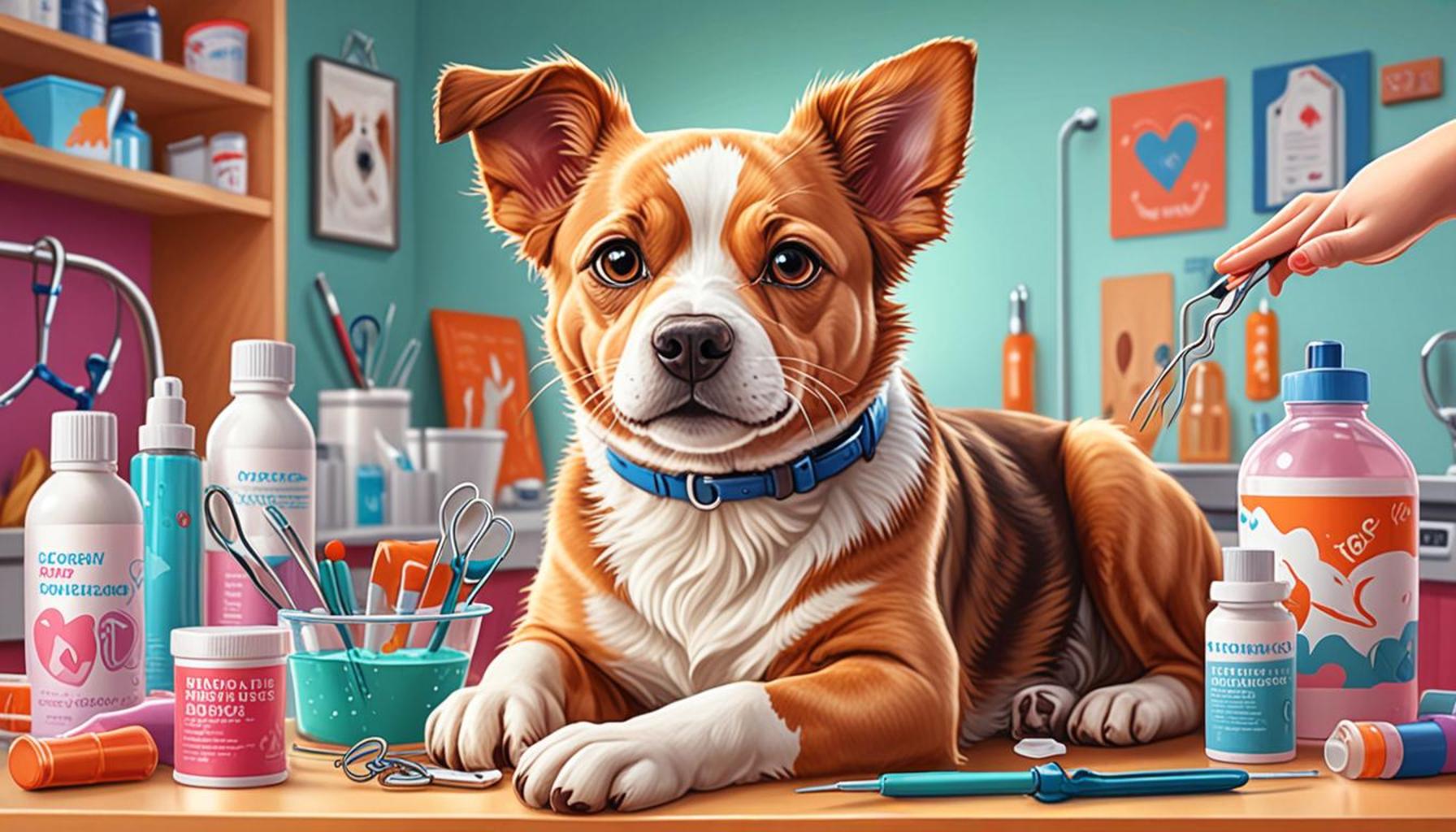
Scheduling frequent health assessments is vital for senior pets. Just like humans, pets are susceptible to age-related issues such as arthritis, dental disease, and cardiovascular problems. Regular veterinary visits allow for early detection and management of these conditions. For instance, a veterinarian may recommend a biannual visit instead of the usual annual check-up to monitor a senior dog’s heart condition or to perform blood work that checks for kidney function. Finding a veterinarian who specializes in geriatric care can also provide tailored advice and treatments that suit your pet’s unique conditions.
Diet Adjustments
The dietary needs of senior pets change significantly as they age. With reduced activity levels, many older pets require fewer calories to maintain a healthy weight. Foods specifically formulated for senior pets are designed to support their needs, often containing lower calories and higher fiber. For example, senior dog foods frequently include glucosamine and omega fatty acids, which help support joint health and mobility. Similarly, older cats may benefit from diets rich in protein and lower in carbs. Consulting with a veterinarian about the best food options can greatly enhance your pet’s well-being.
Encouraging Gentle Exercise
Maintaining physical activity is essential for senior pets to preserve muscle strength and joint mobility. Activities should be tailored to your pet’s capabilities—gentle walks, short play sessions, or even swimming can all be excellent options. For instance, swimming is easy on the joints and can be particularly beneficial for dogs with arthritis. It’s crucial to observe your pet’s behavior during exercise and adjust activities as needed to ensure they remain comfortable and engaged.
The Importance of Emotional Well-being
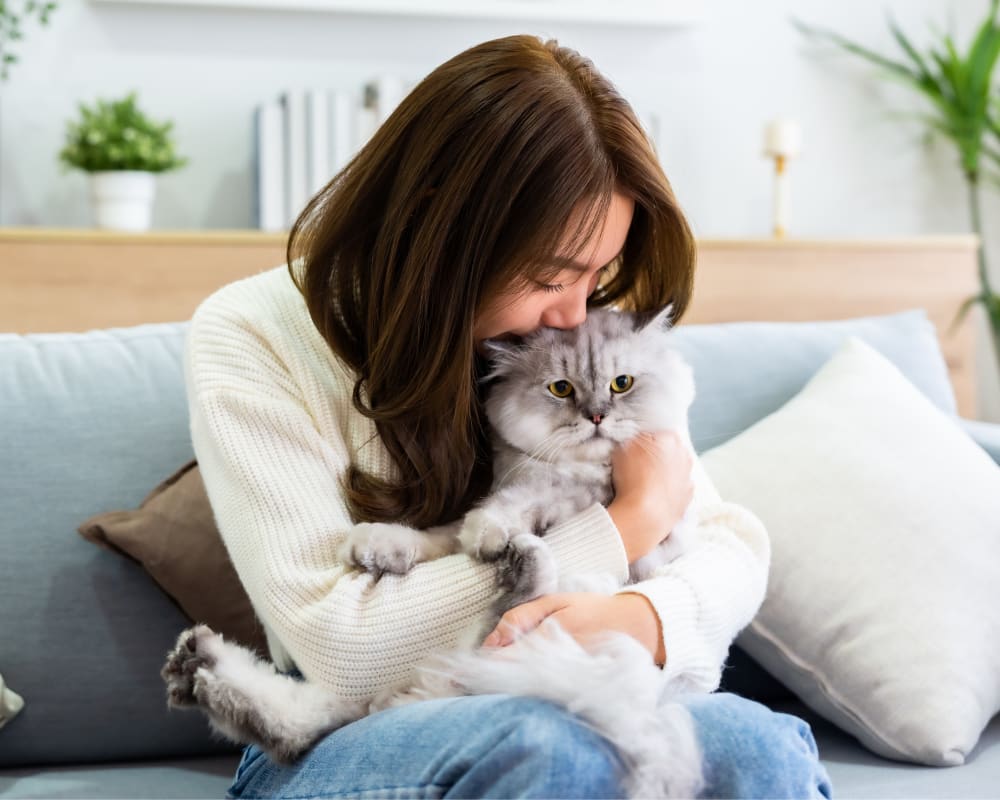
Beyond physical health, the emotional well-being of senior pets is paramount. Aging pets often experience anxiety or stress related to mobility challenges or changes in their environment. Providing a predictable routine can help reassure them. Additionally, creating cozy resting areas with orthopedic beds can relieve discomfort. Engaging their minds with puzzle toys or gentle play can help stave off boredom and encourage alertness. All these factors contribute to a happier, healthier pet.
By understanding the adjustments required for your senior pets, you can help ensure they lead longer, healthier lives. As we dive deeper into this topic, you will discover valuable insights that will empower you to become an even better caregiver for your aging furry friends. Educating yourself about geriatric pet care not only enhances your pet’s life but can also deepen the bond you share, leading to many more cherished moments together.
DISCOVER MORE: Click here for essential feeding tips
Regular Veterinary Check-ups
Scheduling frequent health assessments is vital for senior pets. Just like humans, pets are susceptible to age-related issues such as arthritis, dental disease, and cardiovascular problems. Regular veterinary visits allow for early detection and management of these conditions. For instance, a veterinarian may recommend a biannual visit instead of the usual annual check-up to monitor a senior dog’s heart condition or to perform blood work that checks for kidney function. Finding a veterinarian who specializes in geriatric care can also provide tailored advice and treatments that suit your pet’s unique conditions.
Diet Adjustments
The dietary needs of senior pets change significantly as they age. With reduced activity levels, many older pets require fewer calories to maintain a healthy weight. Foods specifically formulated for senior pets are designed to support their needs, often containing lower calories and higher fiber. For example, senior dog foods frequently include glucosamine and omega fatty acids, which help support joint health and mobility. Similarly, older cats may benefit from diets rich in protein and lower in carbohydrates. Consulting with a veterinarian about the best food options can greatly enhance your pet’s well-being.
Encouraging Gentle Exercise
Maintaining physical activity is essential for senior pets to preserve muscle strength and joint mobility. Activities should be tailored to your pet’s capabilities—gentle walks, short play sessions, or even swimming can all be excellent options. For instance, swimming is easy on the joints and can be particularly beneficial for dogs with arthritis. It’s crucial to observe your pet’s behavior during exercise and adjust activities as needed to ensure they remain comfortable and engaged. Here are some ideas for gentle exercises suitable for senior pets:
- Short, leisurely walks: Aim for consistent short outings rather than one long trek.
- Interactive play: Use soft toys or gentle games that won’t strain their bodies.
- Swimming: A low-impact activity that can significantly help with joint stiffness.
- Obstacle courses: Create simple, comfortable courses using household items to keep them mentally engaged.
The Importance of Emotional Well-being
Beyond physical health, the emotional well-being of senior pets is paramount. Aging pets often experience anxiety or stress related to mobility challenges or changes in their environment. Providing a predictable routine can help reassure them. Additionally, creating cozy resting areas with orthopedic beds can relieve discomfort. Engaging their minds with puzzle toys or gentle play can help stave off boredom and encourage alertness. All these factors contribute to a happier, healthier pet.
By understanding the adjustments required for your senior pets, you can help ensure they lead longer, healthier lives. As we dive deeper into this topic, you will discover valuable insights that will empower you to become an even better caregiver for your aging furry friends. Educating yourself about geriatric pet care not only enhances your pet’s life but can also deepen the bond you share, leading to many more cherished moments together.
| Category | Key Features |
|---|---|
| Nutrition Tailored to Age | Special senior pet diets are formulated with joint health and weight management in mind. They are usually rich in omega fatty acids and have controlled mineral content. |
| Regular Veterinary Check-ups | Frequent health evaluations help to detect age-related diseases early, including arthritis and dental issues, increasing the chances of effective treatment. |
| Mental Stimulation | Engaging in training sessions or puzzle toys helps maintain cognitive function, which is essential for a senior pet’s well-being. |
| Comfortable Living Environment | Providing a quiet, warm space reduces stress and supports your senior pet’s comfort as they age. |
Caring for senior pets requires an understanding of their unique needs. The transition to older age can pose challenges, but with tailored nutrition and regular vet visits, pet owners can greatly enhance their furry companions’ quality of life. Keeping their minds active through stimulation not only preserves their cognitive capacities but also helps in strengthening the bond between pet and owner. Setting up a comfortable environment caters to their physical needs and reassures them through their golden years. Understanding these elements can significantly impact their lifespan and overall health, ensuring a happy and fulfilled life.
DISCOVER MORE: Click here for essential tips
Adapting Living Spaces
To ensure your senior pet’s comfort and safety, consider making modifications to your living space. As pets age, they might struggle with mobility, making it essential to create an environment that is accommodating to their needs. For instance, using slip-resistant mats or rugs can help prevent slips and falls, which are common issues among older pets. Additionally, providing ramps or pet stairs can assist them in accessing their favorite spots, such as the couch or bed, without excessive strain on their joints.
Moreover, consider the accessibility of food and water. Elevating bowls can make it easier for pets with arthritic conditions to eat and drink without straining. Make sure to place food and water in convenient locations to minimize the effort required to reach them. Keeping a steady supply of fresh water is critical for hydration and overall health, especially in senior pets who may have kidney issues.
Mental Stimulation and Enrichment
Much like their physical health, the mental health of senior pets requires ongoing attention. Engaging them with mentally stimulating activities is crucial for preventing cognitive decline, which can be common as pets reach their golden years. Activities such as training refreshers, interactive games, or puzzle feeders can provide a source of entertainment and challenge for their minds. For example, consider using toys that dispense treats when solved, encouraging them to think critically while enjoying a reward.
It’s also important to maintain social interactions. Regularly introducing your pet to family members or friendly pets can enhance their emotional well-being. Participating in gentle social activities, like visits to pet-friendly parks, can serve as a great way for them to engage with their environment socially.
Diagnostic Imaging and Preventive Care
As pets age, they may develop underlying health conditions that aren’t immediately visible. Innovations in diagnostic imaging—such as X-rays, ultrasounds, and CT scans—are invaluable in helping veterinarians detect issues before they escalate. Regular screenings for potential health problems, including tumors or organ dysfunction, can lead to timely interventions. This proactive approach can aid in extending your pet’s quality of life.
Additionally, be aware of your pet’s behavior. Sudden changes, such as shifts in appetite, energy levels, or temperament, can signal the onset of health problems. Documenting these changes can aid your veterinarian during check-ups, facilitating a more comprehensive assessment.
Quality Dental Care
Maintaining oral health is another crucial aspect of senior pet care. Older pets are more susceptible to dental disease, which can lead to pain, discomfort, and systemic health issues. Regular dental cleanings, along with at-home dental care through brushing and dental chews, can significantly improve your pet’s oral hygiene. Understanding the signs of dental problems—like bad breath, difficulty eating, or swollen gums—is essential for catching issues early.
There are dental treats specifically formulated to aid in oral care for senior pets. These products not only help reduce plaque and tartar but also provide a source of nutrition and enjoyment. A dedicated dental care regimen can make a profound difference in the overall health and longevity of your beloved pet.
By incorporating these practical adjustments and strategies into your senior pet’s care routine, you are taking significant steps towards ensuring their health and happiness throughout their golden years. As responsible pet owners, remaining informed and proactive will forever enrich the shared moments you and your aging pet enjoy together.
LEARN MORE: Click here to discover how a natural diet can benefit your pets
Conclusion
Caring for senior pets requires a multifaceted approach that prioritizes not only their physical health but also their emotional and mental well-being. By implementing environmental modifications, engaging in mental stimulation, ensuring regular preventive care, and maintaining dental hygiene, pet owners can significantly enhance the quality of life for their aging companions. Each adjustment—from using slip-resistant mats to providing mental enrichment through games—makes a substantial difference in helping senior pets navigate their twilight years comfortably and joyfully.
Moreover, the importance of recognizing subtle changes in behavior and habits cannot be overstated. Such shifts may indicate underlying health issues that require attention. Regular veterinary check-ups are essential in spotting these conditions early through advanced diagnostic imaging, enabling timely treatments that can prolong life. As informed and dedicated pet owners, the responsibility lies with us to stay vigilant and proactive in our pets’ care routines.
Ultimately, dedicating time and effort to understand the unique needs of senior pets not only fosters a nurturing environment but also strengthens the bond we share with them. Let us embrace the wisdom that comes with age in our furry friends, ensuring they enjoy their golden years with dignity, health, and happiness. By taking these steps, we are not only enhancing their lives but enriching our own in the process, creating lasting memories that both pet and owner will cherish.