Specific Care for Elderly Pets

Understanding the Unique Needs of Senior Pets
As pets enter their golden years, they undergo a myriad of changes that require attentive care. With age comes the potential for a variety of health and wellness challenges, and understanding these needs is essential for dedicated pet owners who aim to provide the best support possible.
Signs of Aging and Their Implications
Senior pets often display noticeable signs indicating a shift in their care requirements. One major concern is their physical limitations. Issues like arthritis, common in breeds such as Labrador Retrievers and Dachshunds, can lead to decreased mobility and pain. Recognizing this requires assessing their movement as they may struggle with stairs or arise slowly from resting positions. Additionally, vision loss can significantly affect their ability to navigate their environment, making it crucial to maintain a consistent layout in your home.
Dietary needs also evolve as dogs and cats age. A senior pet may benefit from a diet specifically formulated for older animals, focusing on balanced nutrition that accommodates weight management and any pre-existing health conditions such as diabetes or kidney disease. Ingredients like omega fatty acids can aid joint health, while reduced calorie options help prevent obesity. An example is the prescription diet offered by brands like Hill’s or Purina, tailored to the unique metabolic requirements of aging pets.
Consistent health monitoring is vital. Regular veterinary check-ups can help catch chronic conditions before they develop into more serious issues. Routine blood work and urine tests can establish baselines and track changes in health, giving you the necessary insight to adjust their care proactively.
Enhancing Mental and Emotional Health
Beyond physical health, it is equally crucial to focus on maintaining mental stimulation and emotional well-being. Engaging your senior pet in gentle exercise, such as short walks or gentle play, protects their physical fitness while providing emotional enrichment. Modified activities like slow-paced games of fetch can keep their spirits high without overexertion.
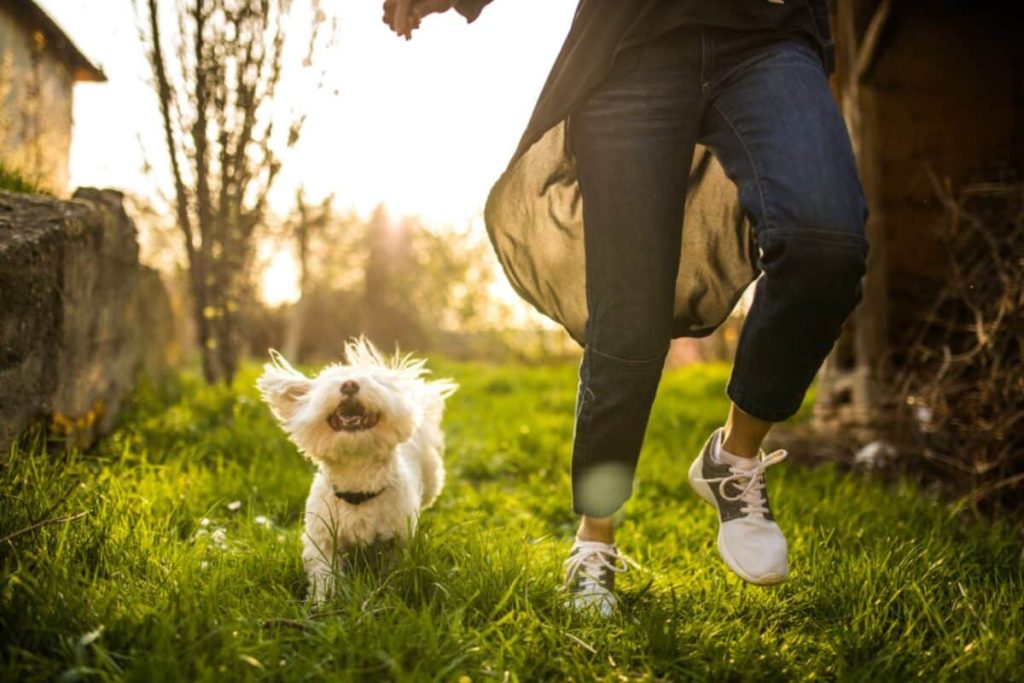
Interactive toys can stimulate their minds. Puzzle feeders or toys that require problem-solving can keep them engaged, preventing boredom that could lead to anxiety. Simple games like hide-and-seek with their favorite toy can also foster interaction and strengthen your bond.
Establishing a consistent routine and familiarity can significantly reduce anxiety. Elderly pets often find comfort in predictability, so feeding, walking, and playtime should occur around the same times each day. This sense of security helps improve their emotional well-being, making their aging experience more enjoyable.
Conclusion
Caring for senior pets encompasses a blend of addressing their specific physical health needs while also nurturing their emotional and mental states. By prioritizing measures such as dietary adjustments, regular health monitoring, and engaging activities, you can enhance their quality of life during their golden years. In the following sections, we will delve deeper into effective strategies for specific care, from beneficial supplements to creating cozy living arrangements that make your cherished companion’s later years comfortable and fulfilling.
DISCOVER MORE: Click here for effective cat training tips
Tailored Nutrition for Senior Pets
One of the cornerstones of specific care for elderly pets is ensuring that their nutritional needs are met. As pets age, their metabolism slows down, and they may require fewer calories overall. However, it’s essential that their diet remains rich in the necessary vitamins and nutrients to support their ongoing health. Transitioning to a high-quality senior pet food that is specially formulated can play a vital role in managing their health and providing them with the energy they need for daily activities.
Consider the following key components when evaluating your senior pet’s diet:
- Protein Levels: Aging pets often need high-quality proteins to maintain muscle mass. Look for diets that include real meat sources.
- Omega Fatty Acids: These are crucial for joint health and can support cognitive function, making them especially vital for senior pets who may experience arthritis or memory-related decline.
- Fiber: Increased fiber can help with digestive health and weight management. It’s important for senior pets to maintain a healthy weight to reduce stress on their joints.
- Antioxidants: Ingredients like blueberries, sweet potatoes, and spinach can help combat oxidative stress and support overall health.
When considering a transition to a different diet, it’s critical to do so gradually to avoid gastrointestinal upset. Mixing a small amount of the new food with the old food can ease this process. Furthermore, consulting with your veterinarian is crucial for tailored advice that takes into account your pet’s specific health conditions and dietary restrictions.
Hydration and Its Importance
In addition to diet, maintaining adequate hydration is of utmost importance for senior pets. Many older animals experience changes in their thirst mechanisms or workplace health challenges that might prevent them from drinking enough water. Dehydration can quickly lead to serious complications such as urinary tract infections or kidney disease. To encourage fluid intake, consider the following strategies:
- Fresh Water: Always have clean, fresh water available throughout the day. Change the water at least once daily to encourage drinking.
- Water Bowls: Utilize shallow bowls that are easy for pets to access. Some pets prefer running water; thus, a water fountain might entice them to drink more.
- Wet Food: Add wet or canned food to their diets. This provides additional moisture and can make mealtime more enjoyable.
- Ice Cubes: Some pets enjoy chewing on ice cubes, especially in warm weather. Crushed ice can also be mixed into their food for added hydration.
Staying alert to your pet’s hydration habits can help prevent complications down the line. Regular monitoring of their water intake, as well as vigilant observation for signs of dehydration, such as dry gums or lethargy, is essential. Knowledge and awareness are powerful tools in enhancing the quality of your senior pet’s life.
Conclusion
By focusing on a balanced diet and ensuring proper hydration, pet owners can significantly improve the quality of life for their elderly companions. These simple yet effective measures lay the groundwork for good health in their golden years. In the following sections, we will explore additional factors such as the importance of regular veterinary visits and creating a comfortable living space tailored to senior pets’ needs.
| Category | Advantages |
|---|---|
| Nutrition | Specialized diets can enhance the health and longevity of elderly pets. |
| Exercise Regimens | Tailored physical activity improves mobility and prevents obesity in older animals. |
| Health Monitoring | Regular vet check-ups help identify potential health issues early. |
| Comfort & Environment | Creating a safe and comfortable living space reduces stress for elderly pets. |
Elderly pets require a distinctive approach tailored to their needs, fostering both physical and emotional well-being. Understanding the role of nutrition is crucial. Specialized diets for senior pets not only address age-related health risks such as obesity and dental issues but also enhance their quality of life through improved digestive health. Moreover, implementing exercise regimens can significantly impact an older pet’s mobility. Simple, gentle activities help maintain muscle tone and mobility without overexertion. Additionally, health monitoring is imperative, as regular veterinary check-ups can detect and manage chronic conditions early on, providing pets with a better shot at healthful aging. Lastly, ensuring a comfortable environment not only promotes relaxation but also aids in mental health, making their golden years truly enjoyable. This holistic approach encourages pet owners to delve deeper into the specific care their elderly companions need, extending their joy of living.
LEARN MORE: Click here for essential senior pet care tips
Regular Veterinary Care: Monitoring and Maintenance
As pets age, regular veterinary check-ups become more crucial than ever. Senior pets often face an array of health issues, including dental disease, obesity, arthritis, and organ dysfunction. Routine visits to the vet not only help in early detection of potential problems but also allow for ongoing assessment of your pet’s health status. It’s advisable to schedule bi-annual wellness exams for elderly pets, allowing veterinarians to perform routine blood work, dental assessments, and physical evaluations.
During these appointments, veterinarians may recommend specific tests such as:
- Blood Work: Complete blood counts and biochemistry panels can provide insight into organ function and help identify underlying conditions.
- Urinalysis: This test is critical for assessing kidney health and can reveal issues with hydration or urinary tract infections.
- Joint Health Evaluations: Because many senior pets exhibit signs of discomfort or pain due to arthritis, veterinarians may perform mobility assessments or suggest imaging diagnostics like X-rays.
Staying on top of annual vaccinations and parasite prevention is also essential as senior pets are more vulnerable to illnesses. Make sure to engage in discussions with your veterinarian regarding tailored vaccination schedules and prevention regimens specific to your elderly pet’s needs.
Comfortable Living Environment
Creating a comfortable living space for elderly pets can significantly enhance their quality of life. Many older animals may struggle with mobility issues, so offering accommodations that are both accessible and comforting is paramount. Here are key aspects to consider when designing their environment:
- Soft Bedding: Provide orthopedic beds that offer support to aching joints and muscles. Beds should be placed in quiet areas where pets can relax away from noise and hustle.
- Accessibility: Use ramps or wider doorways for pets with mobility issues to make it easier for them to navigate their surroundings. Ensure food and water bowls are in easily reachable locations.
- Temperature Control: Senior pets can be sensitive to extreme temperature changes. Keeping their living area comfortably warm during winter months and cool during summer is essential.
- Enrichment Activities: While physical exertion may become challenging, mental stimulation is crucial. Provide interactive toys that encourage gentle play or puzzle feeders that can engage their minds without demanding much physical activity.
Regular assessments of your home environment can help you identify potential hazards such as stairs, slippery floors, or choking hazards from small toys. Modifying their space to accommodate their changing needs will lead to a safer and happier life for your elderly pet.
Grooming Considerations for Senior Pets
Grooming is another significant aspect of senior pet care. Regular grooming can assist in removing dead fur, preventing matting, and checking for lumps or skin irritation. As pets age, their skin may become more sensitive, necessitating gentler grooming techniques. It often helps to use softer brushes and consider professional grooming services that specialize in handling elderly pets.
Pay attention to their nails, as senior pets may not wear them down naturally. Overgrown nails can cause pain and mobility issues. Regular nail trimming by either a professional or at home is necessary to mitigate these risks. Additionally, senior pets may require more frequent bathing in warm water, as they are prone to skin conditions that necessitate cleanliness without compromising comfort.
Implementing these grooming practices and modifying your pet’s environment will create a holistic care approach that addresses their physical and emotional well-being, enhancing their quality of life during their advanced years.
DISCOVER MORE: Click here for practical tips on training your cat
Ensuring a Happy and Healthy Life for Elderly Pets
Caring for elderly pets is a profound commitment that requires both understanding and compassion. As our furry companions age, their unique needs emerge more prominently, calling for a comprehensive approach to their well-being. Regular veterinary care is essential; it provides the backbone for ongoing health assessments and early problem detection. Armed with knowledge of common issues faced by senior pets, pet owners can take proactive steps to prevent complications through balanced nutrition and tailored exercise routines.
Furthermore, creating a comfortable home environment is crucial for enhancing the quality of life for senior pets. Fine-tuning their living space with soft bedding, accessibility options, and climate control plays a significant role in their comfort. Mental and physical stimulation can also be integrated through gentle play and engaging activities, ensuring that their minds remain sharp despite physical limitations.
Lastly, grooming is a vital aspect that not only promotes hygiene but also serves as an opportunity to bond and monitor any changes in their body that could indicate health problems. By incorporating these practices into daily life, pet owners can contribute significantly to their elderly pets’ happiness and overall health.
In conclusion, providing specific care for elderly pets is not just about managing their physical ailments, but also about fostering a loving environment that respects their dignity and enhances their golden years. This holistic approach not only ensures their comfort but also reinforces the meaningful connection we share with them. Stay informed, adapt to their needs, and you will enrich not just their lives, but your own as well.