The benefits of animal-assisted therapy for the emotional health of patients
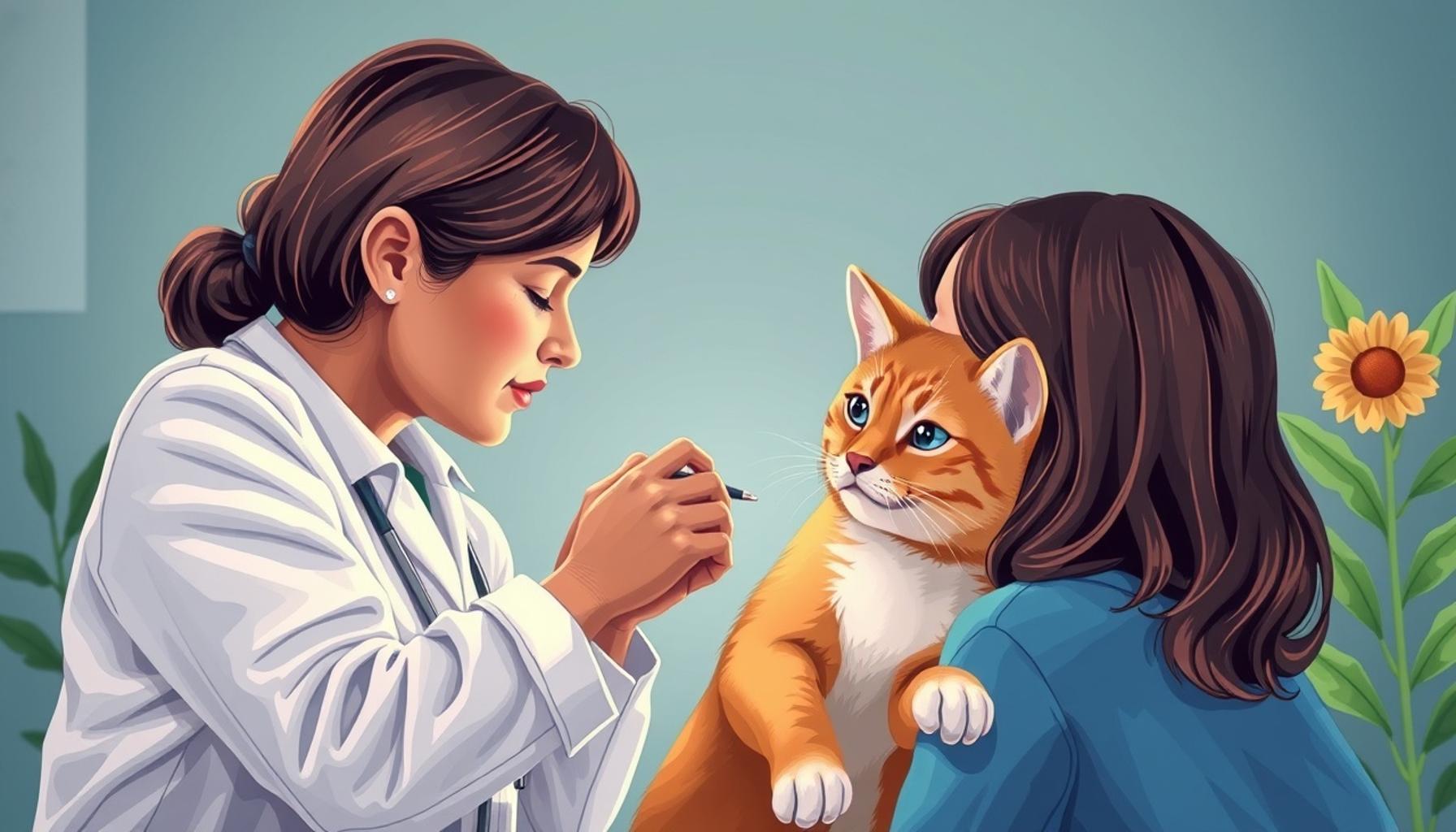
The Transformative Role of Animals in Therapy
In recent years, animal-assisted therapy has surged in popularity, revealing its profound impact on the emotional health of patients. This innovative approach blends traditional therapeutic practices with the comforting presence of trained animals, creating a unique healing environment. The integration of animals into therapeutic settings offers a refreshing perspective on treatment, emphasizing not just the psychological aspects but also the emotional and physical comfort that these animals provide.
Research suggests that interaction with therapy animals may offer numerous benefits. These advantages range from immediate emotional relief to long-term health improvements, illustrating the multifaceted benefits of animal companionship:
- Reduced Anxiety: Animals can help patients feel more at ease, alleviating feelings of stress and fear. Studies have shown that the presence of a therapy dog can significantly lower cortisol levels (the stress hormone) in patients, leading to a calm and relaxed demeanor.
- Increased Motivation: Engaging with animals can inspire patients to participate more actively in their treatment plans. For instance, children undergoing rehabilitation often show a remarkable increase in willingness to engage with their therapists when a therapy animal is involved, transforming what might be a daunting session into a playful and productive experience.
- Enhanced Social Skills: Therapy sessions involving animals often encourage interaction and communication among patients. In group therapy settings, having a therapy animal present can break down barriers, fostering a sense of camaraderie and encouraging individuals to share their feelings and experiences more freely.
From setting the stage for emotional breakthroughs to acting as a source of unconditional love, the role of animals in therapy is multifaceted. Many hospitals and rehabilitation centers across the United States, such as the Wags for Hope program in California or the Pet Partners organization, have integrated these furry companions into their healthcare routines. These programs not only provide emotional support but also contribute to a holistic approach to patient care that encompasses physical, psychological, and social dimensions.
As you explore the world of animal-assisted therapy, consider not only the methodologies but also the heartwarming stories of transformation. For instance, tales of veterans coping with PTSD who find solace in the gentle presence of a therapy dog highlight the critical importance of compassionate care in emotional healing. These narratives underline the fact that therapy animals are not merely tools for treatment; they play an essential role in creating lasting, positive change in individuals’ lives.
In essence, the growing recognition of animal-assisted therapy represents a significant shift in how we understand and approach mental health care. With its roots deeply embedded in compassion, this approach encourages future exploration and research into how animals can continue to be integral partners in the healing journey.

LEARN MORE: Click here for a comprehensive guide
Unlocking Emotional Resilience Through Animal Companionship
One of the most remarkable aspects of animal-assisted therapy is its ability to connect deeply with patients, fostering emotional resilience and healing. Animals can transcend verbal communication barriers, allowing individuals struggling with emotional health issues to express themselves in ways they may find difficult through traditional therapy. This can be particularly beneficial for patients facing conditions such as depression, anxiety, and PTSD, where feelings of isolation often prevail.
As studies continue to illuminate the therapeutic potential of animal companionship, several key benefits have emerged, reflecting the diverse ways these therapies can facilitate emotional healing:
- Emotional Bonding: The unconditional love and loyalty exhibited by therapy animals can help establish a strong emotional bond, which is crucial for individuals who often feel neglected or misunderstood. This bond provides a safe space for patients to explore their feelings without fear of judgment.
- Improved Mood: Interaction with therapy animals has been shown to elevate serotonin and dopamine levels, neurotransmitters associated with feelings of well-being and happiness. By simply petting or cuddling with an animal, patients often experience a notable uplift in their mood.
- Social Support: Animals can encourage social interaction, not only between patients and therapists but also among peer participants. This enhanced social support network can lead to a greater sense of belonging and reduce feelings of loneliness, a common struggle for many individuals with mental health issues.
The incorporation of therapy animals into treatment settings enhances the overall therapeutic experience by combining emotional support with avenues for personal growth. Hospitals, veteran facilities, and even educational institutions have begun to acknowledge the significance of this approach. For example, the Animals on Board program in New York has successfully implemented therapy animal visits, offering patients a source of comfort during challenging medical procedures.
Moreover, the effectiveness of these interventions can be evidenced through numerous success stories. Many individuals have reported marked improvements in their emotional health following interactions with therapy animals. For instance, children diagnosed with autism spectrum disorder have shown significant strides in communication skills and emotional regulation through structured animal-assisted programs, demonstrating how the presence of an animal can facilitate breakthroughs that traditional methods might not achieve.
With its roots deeply embedded in empathy and understanding, animal-assisted therapy not only encourages emotional healing but also promotes a culture of compassion in therapeutic practices. As the healthcare community continues to research and advocate for its benefits, animal-assisted therapy stands out as a promising avenue for enhancing the emotional health of patients across various demographics.
| Benefit | Description |
|---|---|
| Emotional Support | Animals provide unconditional companionship that helps reduce feelings of loneliness, anxiety, and depression. |
| Stress Reduction | The presence of therapy animals can lower cortisol levels, leading to an overall reduction in stress and promoting a sense of calm. |
| Enhanced Communication | Engaging with animals encourages patients, especially children, to express their emotions more freely, fostering open communication. |
| Physical Interaction | Petting or playing with animals can improve physical health by promoting movement and decreasing blood pressure. |
Animal-assisted therapy (AAT) significantly enhances the emotional health of patients. One of its most profound benefits is providing emotional support, which is especially vital for those grappling with life’s challenges. The presence of an animal can serve as a comforting resource during difficult times, helping to alleviate feelings of isolation that can exacerbate mental health issues.Moreover, AAT is recognized for its ability to promote stress reduction. Studies demonstrate that simply being in the company of an animal can lead to a decrease in physiological stress responses. This interaction fosters a more serene environment that can facilitate healing.Additionally, therapy animals play a unique role in enhancing patient communication. They offer a bridge for those who find expressing themselves challenging. Engaging with animals can lead to increased verbal exchanges, where patients feel more at ease and open with their emotions.Finally, physical interaction with animals not only fulfills a therapeutic role but also encourages patients to engage in healthier behaviors. This can lead to increased levels of activity, contributing positively to both mental and physical well-being.
LEARN MORE: Click here to discover the impact on your pet’s health
Transformative Effects on Mental Health Outcomes
The implementation of animal-assisted therapy (AAT) extends beyond immediate emotional connections; it has transformative effects on long-term mental health outcomes. Research indicates that consistent interactions with therapy animals can facilitate substantial changes in emotional regulation and overall mental wellness. For instance, studies have shown that AAT can reduce the symptoms of anxiety and depression in a measurable way, illustrating the potential for these programs to serve as adjuncts to traditional therapeutic modalities.
One ground-breaking study conducted by the University of Missouri-Columbia revealed that participants engaging in AAT sessions experienced a notable decrease in cortisol levels, a hormone associated with stress. By decreasing physiological responses to stress, therapy animals could help patients develop healthier coping mechanisms in the face of emotional turmoil. Such findings emphasize the physiological underpinnings of emotional health and highlight how animals can play a critical role in wellness interventions.
- Enhanced Coping Skills: Interacting with therapy animals can foster resilience by equipping patients with coping skills necessary for managing stressors. For individuals facing chronic illness, the presence of a therapy animal can provide a sense of tranquility and companionship, producing a more balanced emotional state.
- Increased Motivation: The presence of a therapy animal might stimulate patients to engage more actively in their treatment plans. For instance, individuals with depression may find renewed interest in activities that might have previously seemed insurmountable, thanks to the encouragement and companionship an animal provides.
- Promotion of Mindfulness: Spending time with animals can foster a mind-body connection that encourages mindfulness practices. Patients often become more attuned to their thoughts and feelings when they engage in nurturing behaviors toward an animal, providing opportunities for reflection and greater self-awareness.
AAT is also being integrated into diverse healthcare settings such as rehabilitative therapy and hospice care, where emotional support is imperative. In hospice care, for instance, therapy animals can provide comfort not only to patients but also to grieving families, helping to forge connections that ease emotional burdens during difficult times. The Pet Partners organization, which trains therapy animals and their handlers, highlights numerous stories of patients experiencing improved emotional outcomes through simple yet impactful engagements with their animal companions.
The adaptability of AAT to various clinical environments enhances its appeal, allowing it to be tailored to meet the unique needs of different patient populations. For instance, programs specifically designed for veterans suffering from PTSD have shown promising results. The presence of therapy dogs during counseling sessions has helped veterans feel safer and more at ease, fostering an environment suited for deeper emotional work.
As awareness around mental health continues to grow, it becomes increasingly apparent that animal-assisted therapy is not merely a supplementary treatment option but an essential part of comprehensive care. Various organizations and healthcare providers are beginning to recognize AAT’s pivotal role in addressing emotional health, ultimately paving the way for more inclusive and compassionate treatment pathways for patients.
DISCOVER MORE: Click here to learn how to enhance your pet’s emotional well-being
Conclusion: Embracing the Healing Power of Animals
In conclusion, animal-assisted therapy (AAT) offers a multifaceted approach to enhancing the emotional health of patients, demonstrating remarkable benefits that extend far beyond traditional therapies. With proven outcomes in reducing anxiety and depression symptoms, AAT stands as a vital complement to mental health care. The physiological benefits, such as lowered cortisol levels, underscore the intricate bond between humans and animals and how this connection can foster resilience in the face of emotional challenges.
What truly sets AAT apart is its adaptability across diverse healthcare settings. From rehabilitation centers to hospice care, therapy animals have shown their capacity to provide comfort and companionship, alleviating emotional burdens not only for patients but also their families. This inclusivity promotes a more compassionate approach to healing, particularly for vulnerable populations such as veterans with PTSD, where trust and safety are paramount.
As the societal awareness of mental health continues to evolve, embracing innovative therapies like AAT may pave the way for a future where emotional wellness is prioritized. For healthcare providers looking to enhance their practice, integrating therapy animals into treatment plans can invigorate patient engagement and support, fostering a holistic healing environment.
As we look ahead, understanding and exploring the benefits of animal-assisted therapy is essential. It prompts further investigation into how these emotional bonds can be maximized within clinical environments, leading to even more beneficial outcomes. For patients, the journey towards healing may be complemented by the unwavering loyalty and companionship of a furry friend, paving pathways to emotional resilience.