The Challenges of Adopting Exotic Animals: What You Need to Know Before Bringing an Unconventional Pet Home

The Allure and Challenges of Exotic Pet Ownership
Owning an exotic pet may seem like an exciting adventure, but beneath the surface lies a complex web of responsibilities that many prospective pet owners may not fully grasp. These remarkable creatures, ranging from vibrant parrots and slithering snakes to the unexpectedly social capybara, often draw in lovers of nature and the unconventional. However, diving into the world of exotic animals requires a thorough understanding of what it means to bring one of these unique beings into your life.
Let’s explore some key factors that should guide your decision regarding exotic pet ownership:
- Legal Restrictions: In the United States, laws regarding exotic pet ownership vary significantly by state. Some places prohibit certain species altogether, while others require permits. For instance, owning a tiger in New York is illegal, while some types of lizards may be perfectly acceptable. It is vital to check your locality’s regulations to ensure compliance and avoid legal penalties.
- Specialized Care Requirements: Many exotic animals have specific dietary needs that differ widely from those of common pets. For example, a green iguana requires a diet rich in leafy greens and a controlled environment that mimics its tropical home, while certain parrots need a varied diet including seeds, nuts, and fresh fruits. Failing to provide proper nutrition and a suitable habitat can lead to health problems, which may be difficult and costly to rectify.
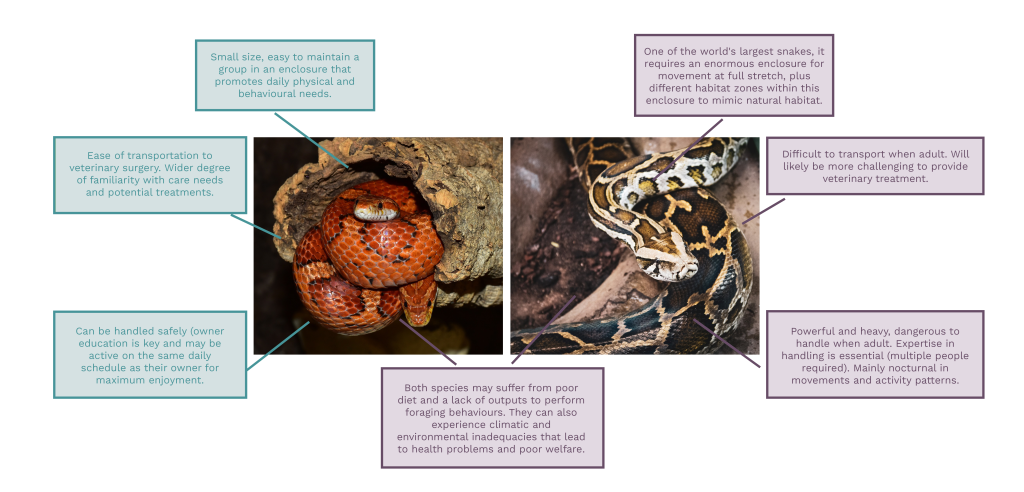
- Socialization and Behavior: Understanding the natural behaviors and social needs of exotic pets is crucial for achieving a harmonious household. For instance, parrots are known for their intelligence and social nature, requiring a lot of interaction to prevent issues such as feather plucking due to boredom. Conversely, some reptiles like snakes may thrive on minimal interaction but require precise climate control and care to remain healthy.
Moreover, unprepared owners often encounter challenges such as medical care that can be inconvenient and expensive. Exotic pets require specialized veterinary care, which might not be readily available depending on your location. According to studies, a significant number of exotic animals are surrendered shortly after adoption due to owners underestimating the costs related to healthcare, habitat setup, and daily maintenance.
As you consider welcoming an exotic pet into your home, it is imperative to weigh both the appealing aspects and the potential drawbacks. While the joy and fascination of owning an exotic animal can be profound, their care often diverges significantly from that of traditional pets like dogs and cats. Understanding their unique needs allows for a more fulfilling relationship, ensuring that both owner and pet thrive in their bond.
Ultimately, the journey into exotic pet ownership demands a commitment to education and preparedness. Taking the time to research your prospective pet’s requirements can lead to a rewarding companionship that celebrates the beauty of biodiversity, while also ensuring these extraordinary animals receive the love and care that they deserve.
DISCOVER MORE: Click here to learn how a natural diet can benefit your pets
Understanding the Unique Needs of Exotic Pets
Before considering adopting an exotic animal, it is essential to appreciate their unique needs that differ markedly from traditionally domestic pets. Unlike dogs and cats, many exotic species have evolved in environments vastly different from our homes, which can pose a significant challenge for inexperienced owners. This divergence raises questions about habitat requirements, diet, and overall well-being.
Firstly, it’s important to recognize that habitat setup plays a crucial role in the health of your exotic pet. For instance, a bearded dragon requires a terrarium that closely mimics its native arid environment, complete with specific temperature gradients, humidity levels, and UV lighting for optimal health. On the other hand, aquatic species like freshwater shrimp or pufferfish demand carefully monitored water quality and specific tank conditions to thrive. The failure to establish a suitable habitat can lead to stress, illness, or even death in exotic pets.
Diet is another significant factor that contributes to the successful ownership of these animals. For many exotic pets, a diet that closely aligns with their natural feeding habits is essential. Here are a few examples of common exotic pets and their dietary requirements:
- Macaws: These large parrots require a diverse diet, including high-quality pellets, fresh fruits, and nuts. Their diet must also include a variety of leafy greens to ensure they receive the essential nutrients.
- Chinchillas: Known for their soft fur, chinchillas primarily need a high-fiber diet made up of hay and specially formulated pellets, along with occasional treats like dried fruits.
- Ball Pythons: These snakes have a selective diet and rely on appropriately sized rodents for nourishment, which may need to be purchased and stored, posing an additional consideration for owners.
Moreover, understanding their social behavior and interaction levels is vital before making a commitment. Unlike cats or dogs, some exotic animals have different social structures and behaviors that need to be respected. For example, ferrets are highly social creatures that require regular interaction and stimulation, whereas some reptiles are solitary and may feel stressed if handled excessively. Proper bonding and socialization can take time and effort, emphasizing the importance of understanding these animals’ innate behaviors.
In addition to habitat, diet, and social interaction, owners should also be aware of the potential long-term commitments associated with exotic pets. Many species can live for years, or even decades, which can lead to emotional challenges and unexpected life changes. To navigate these challenges successfully, perspective owners should delve deep into research, ideally connecting with other experienced owners or professionals who can provide insights and firsthand experiences regarding exotic pet ownership.
By fully grasping the complexity of exotic pets’ needs, you can make an informed decision on whether to welcome one into your home. In doing so, you will increase the chances of forming a fulfilling and long-lasting relationship with your new companion.
| Category | Details |
|---|---|
| Legal Considerations | Many regions have strict regulations regarding the ownership of exotic animals, including permits and licenses. |
| Behavioral Needs | Exotic pets often require specialized care and an understanding of their complex behavior, which can differ greatly from household pets. |
| Environmental Requirements | The habitats of exotic animals are crucial; they may need specific temperature, humidity, and space considerations to thrive. |
| Health Risks | Some exotic species can carry zoonotic diseases, posing health risks to humans and other pets. |
In the fascinating realm of exotic animal adoption, one must consider various crucial factors that extend beyond mere affection for these unconventional pets. Understanding the legal implications is vital, as ownership can require specific permits due to regional laws aimed at protecting both wildlife and communities. Furthermore, the behavioral needs of these animals necessitate specialized approaches; a lack of understanding can lead to stress and maladaptive behaviors.The environmental requirements set forth by exotic animals cannot be overlooked, as they may need habitats that mimic their natural ecosystems to flourish. This encompasses ideal temperature ranges, humidity levels, and adequate space to roam—often higher maintenance than traditional pets.Additionally, adopting an exotic pet introduces unique health risk factors. Some species can be carriers of diseases that can easily transfer to humans, raising concerns about infection and health management within a household. Therefore, prospective owners must engage in thorough research to navigate the complexities of exotic pet ownership effectively.
DISCOVER MORE: Click here for essential feeding tips
Legal Considerations and Ethical Concerns
As you ponder the idea of bringing home an exotic pet, it is crucial to navigate the legal landscape surrounding exotic animal ownership. Different states across the United States have varying regulations in place that govern which species can be legally owned. Some may require permits, while others outright ban certain animals. For instance, Florida’s laws allow for the ownership of some reptiles, but prohibit others like the infamous Burmese python due to their potential ecological impacts when released into the wild. Understanding the legal implications not only ensures adherence to local laws but also safeguards against potential fines or the risk of having your pet confiscated.
Moreover, the ethics of exotic pet ownership cannot be overlooked. The exotic pet trade raises significant concerns about sustainability and animal welfare. Many exotic animals are taken from their natural habitats, leading to declining populations and disrupted ecosystems. According to the World Wildlife Fund, approximately 1 in 5 reptiles sold in the United States is obtained illegally, contributing to the ongoing crisis of wildlife trafficking. By choosing to adopt an exotic pet, prospective owners unwittingly contribute to this troubling chain of events, highlighting the need for individuals to consider the broader ramifications of their choices.
Veterinary Care and Accessibility
Another often underestimated challenge is the availability of specialized veterinary care for exotic animals. Unlike dogs and cats, most veterinary practices are not equipped to handle the unique needs of exotic species, such as birds, reptiles, or small mammals. Finding a veterinarian who specializes in exotic animals can prove to be a daunting task, often requiring travel to specialized clinics or additional expenses. For example, routine check-ups or emergency care for a sugar glider or a hedgehog might necessitate a trip to a clinic that specifically caters to these species. The cost of such care may also be significantly higher compared to traditional pets, factoring into long-term ownership considerations.
Challenges of Socialization and Behavioral Needs
The socialization and behavioral needs of exotic pets present another layer of complexity. Many exotic animals, such as primates or some reptiles, require specific types of social interaction and enrichment that differ vastly from what owners may expect. Some species, like African Grey parrots, are known for their intelligence and need for mental stimulation, which can lead to boredom-related behavioral issues if not addressed. While dogs and cats may engage in play with their owners, exotic animals may have entirely different methods of interaction, often requiring more intricate forms of enrichment tailored to their natural behaviors.
Furthermore, many exotic pets have innate instincts that can be difficult for owners to manage, leading to potential safety concerns. For instance, some reptiles may bite if they feel threatened, while certain small mammals can become aggressive if not properly socialized. Understanding these behavioral traits is crucial before adopting an unconventional pet, as misinterpreting signs of stress or discomfort can lead to injuries for both the pet and the owner.
With all these legal, ethical, and behavioral considerations in mind, it is clear that adopting an exotic animal is not a decision to be taken lightly. The commitment involves not just providing shelter, but also enhancing the quality of life for these unique creatures, which can be as rewarding as it is challenging.
DID YOU KNOW? Click here to learn effective training techniques
Conclusion: The Responsibility of Exotic Pet Ownership
In conclusion, while the allure of exotic animals can be captivating, prospective owners must deeply consider the multifaceted challenges that accompany such a commitment. From understanding the intricate legal regulations that vary from state to state to grasping the ethical implications of the exotic pet trade, each facet demands careful reflection. Owners must not only adhere to laws but also recognize the significant impact their choices have on wildlife conservation efforts and ecosystem health.
The importance of specialized veterinary care for exotic pets cannot be underestimated. Finding a qualified veterinarian can be a daunting task that adds another layer of responsibility and expense to ownership. Moreover, understanding and accommodating the unique behavioral needs of exotic animals is vital for both the pet’s well-being and the safety of the owner. The complex social and environmental requirements of these animals often diverge significantly from those of more common pets, creating additional challenges.
Ultimately, adopting an exotic animal is more than just bringing home a beautiful creature; it is an enduring commitment that requires education, dedication, and ethical consideration. To ensure a positive experience for both the owner and the pet, potential adopters are encouraged to thoroughly educate themselves, engage with experienced exotic pet owners, and consult with professionals in the field. In doing so, they can ensure a harmonious relationship with their unconventional pets, while also contributing positively to the broader discussion of wildlife conservation and responsible pet ownership.