The Impact of Parasite Prevention on Pet Health: Effective Methods and Products

Understanding the Importance of Parasite Prevention
Pet owners frequently overlook the critical role of parasite prevention in maintaining their furry friends’ health. Parasites such as fleas, ticks, and worms are not just annoyances; they can lead to severe health problems for pets, and in some cases, also affect humans in the household. It is paramount for pet owners to understand the significance of proactive parasite management and to educate themselves on effective methods and products available. This knowledge can significantly improve your pet’s quality of life, turning it into a vibrant one full of energy and joy.
The Risks of Parasites
The risks posed by parasites are multifaceted and can have grave consequences if left unaddressed. Consider the following:
- Skin irritations: Fleas and ticks are notorious for causing severe itching, leading pets to scratch excessively. This can result in painful skin irritations, hair loss, and even secondary infections due to open wounds. For instance, pets suffering from flea allergies may experience intense discomfort and require veterinary intervention.
- Internal damage: Worms, such as roundworms and tapeworms, can cause serious internal issues. They absorb nutrients, leading to malnutrition and anemia, which can weaken your pet’s immune system. In extreme cases, an infestation can lead to organ damage, as seen in cases of heartworm disease, which can be fatal if untreated.
- Transmission of diseases: Many parasites, like ticks, are vectors for dangerous diseases such as Lyme disease and Rocky Mountain spotted fever. These illnesses can affect not only pets but can also spread to humans, posing significant health risks to families. Awareness and prevention are key in minimizing these risks.
Effective Prevention Methods
Implementing a proactive approach to parasite prevention is essential to maintaining your pet’s health. Key strategies include:
- Regular vet check-ups: Regular veterinary visits allow for early detection and treatment of any potential parasite issues. Vets can perform necessary screenings and tests, ensuring that your pet is protected before any major health problems arise.
- Appropriate medications: There are a variety of parasite prevention products available, ranging from topical treatments to oral medications and collars. It is crucial to select the right products based on your pet’s lifestyle and specific health needs. Discuss options with your veterinarian, who can help you choose the most effective treatments tailored for your furry friend.
- Maintaining a clean environment: A clean living space is foundational for parasite prevention. Regularly cleaning your pet’s living area, including washing bedding, vacuuming carpets, and removing debris from outdoor spaces, can drastically reduce parasite populations. Additionally, regular grooming helps spot issues before they escalate.
By understanding these factors, pet owners can take proactive steps to protect their beloved animals. Engaging in periodic education around the latest parasite prevention methods and products will empower you to make informed decisions that enhance your pet’s overall well-being. Delve deeper into the world of parasite prevention and ensure a happy, healthy life for your four-legged companions.
Exploring Effective Methods for Parasite Control
To successfully combat the risks posed by parasites, a combination of effective methods is imperative. Implementing a comprehensive parasite prevention plan not only safeguards your pet’s health but also enhances their quality of life. Below are some key approaches that pet owners can adopt to keep their furry companions free from harmful parasites:
1. Annual Veterinary Check-Ups
Regular veterinary visits play a crucial role in parasite prevention. During these appointments, veterinarians can conduct thorough examinations and routine screenings for common parasites. For instance, heartworm tests and fecal exams can detect infections before they escalate into serious health issues. Many veterinary clinics also provide vaccination services that protect against certain diseases caused by parasites, such as Lyme disease. Establishing a consistent schedule of annual check-ups ensures early detection, timely intervention, and peace of mind for pet owners.
2. Utilizing Effective Products
The market offers a variety of parasite prevention products designed to cater to the unique needs of pets. Some of the most effective options include:
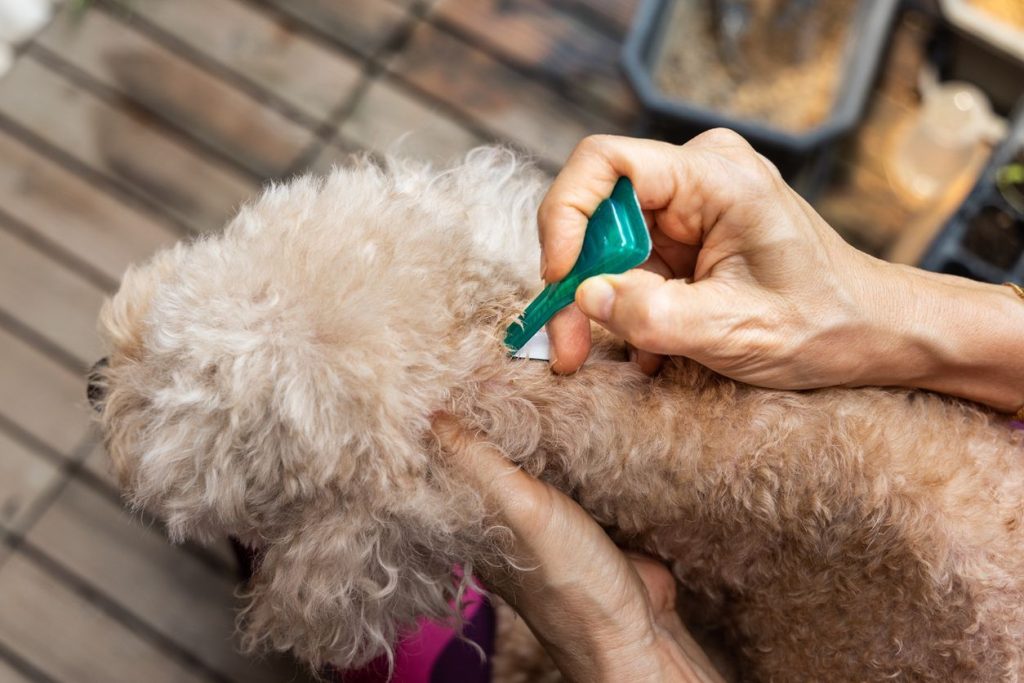
- Topical Treatments: These solutions are applied directly to the skin and help repel or kill fleas and ticks. Popular products include Frontline and Advantage, which offer prolonged protection.
- Oral Medications: Many pet owners opt for monthly chewable tablets, such as NexGard and Bravecto, that effectively eliminate various parasites. These medications are convenient and can easily be integrated into a pet’s routine.
- Collars: Flea and tick collars, like Seresto, provide long-lasting protection by releasing active ingredients over time. Their convenience makes them a preferred choice for many pet owners.
It’s essential to collaborate with your veterinarian when selecting appropriate products, as they can recommend treatments that align with your pet’s lifestyle and pre-existing health conditions. With the correct guidance, you can effectively shield your pet from parasites that threaten their well-being.
3. Environmental Management
Creating a parasite-free environment is an often-underestimated aspect of parasite prevention. Simple actions can significantly reduce your home’s exposure to these harmful pests:
- Regular Cleaning: Vacuuming carpets, upholstery, and pet bedding on a routine basis helps to remove flea eggs and larvae. Frequent washing of pet blankets or toys can eliminate any lingering parasites.
- Lawn Maintenance: Keeping outdoor areas well-maintained by trimming grass and clearing debris can deter flea and tick populations. Regularly inspecting your yard for signs of these pests is equally important.
- Limiting Contact: Be mindful of where your pets roam, especially in wooded or tall grass areas where ticks are most prevalent. Designated walking routes can help minimize exposure to potential hazards.
By integrating these effective methods into your routine, you can significantly reduce the chances of your pets becoming infested with parasites. A proactive approach is not just beneficial; it’s essential to promote a healthy, happy life for your beloved companions.
The Importance of Regular Parasite Prevention
Parasite prevention is essential for maintaining the overall health of pets, as these organisms can cause a range of serious health issues. Many pet owners may not realize that parasites such as fleas, ticks, and intestinal worms can not only affect their pets but also pose risks to human family members. Effective methods for parasite prevention can enhance pet health significantly.
One of the primary advantages of regular parasite prevention is the reduction of disease transmission. For instance, fleas can carry tapeworms, while ticks can transmit Lyme disease, which is harmful to both pets and humans. By actively preventing infestations, pet owners can safeguard their pets from these severe conditions.
Additionally, the medical costs associated with treating parasite infestations can be substantial. Proactive prevention through veterinarian-approved products—such as topical treatments, oral medications, and preventive vaccines—can lead to significant savings over time, emphasizing the financial benefit of routine parasite control.
Effective Products for Parasite Prevention
When selecting the best products for parasite prevention, pet owners can choose from a variety of options based on their pet’s needs and lifestyle. For example, collars are a convenient solution for flea and tick prevention that can provide up to eight months of protection. On the other hand, oral medications typically offer quick action against a range of parasites, ensuring your pet’s health efficiently.
Moreover, some pet owners may prefer natural remedies as part of their parasite prevention strategy. Although not always as potent as pharmaceutical options, these can be effective when used correctly and can enhance the well-being of both pets and their environment.
Behavioral Strategies for Prevention
In addition to products, lifestyle adjustments can significantly enhance the impact of parasite prevention. Regular grooming and bathing can help detect and eliminate potential infestations before they escalate. Moreover, keeping living areas clean and sanitized contributes to minimizing the risk of parasites flourishing in a pet’s environment. Ultimately, maintaining a vigilant approach not only promotes health but also reinforces the bond between pets and their owners.
| Advantage | Description |
|---|---|
| Reduction of Disease Risk | Implementing parasite prevention minimizes the risk of transmitting diseases between pets and humans. |
| Cost Savings in Vet Care | Preventative measures are less expensive than treating advanced infestations, saving pet owners money in the long run. |
Investing time and resources into parasite prevention not only enhances your pet’s health but also secures a better quality of life for both pets and their owners. Exploring the variety of methods and products available will lead you to a more informed and responsible approach to pet care.
The Role of Diet and Supplements in Parasite Prevention
A comprehensive approach to parasite prevention extends beyond veterinary check-ups and topical treatments; diet and nutritional supplements also play critical roles in bolstering your pet’s immune system and overall health. A strong immune system can naturally resist parasites and reduce the likelihood of infestation. Below are some dietary strategies and supplement options to consider:
1. Nutrient-Rich Diets
Feeding your pet a balanced and nutrient-rich diet is foundational for maintaining their health. High-quality proteins, essential fatty acids, vitamins, and minerals support strong immune function. Foods that are rich in antioxidants, such as blueberries and spinach, can help enhance the body’s defenses against various parasites. Additionally, probiotics can promote gut health, enabling your pet to better absorb nutrients and fend off illnesses, including those caused by parasites. Always consult your veterinarian for guidance on choosing the most appropriate diet tailored to your pet’s specific needs.
2. Natural Supplements
Incorporating natural supplements can further strengthen your pet’s defenses against parasites. Certain herbs, like diatomaceous earth and garlic extract, have been shown to be effective in repelling fleas and ticks. However, it is crucial to consult with your veterinarian before introducing any supplements to avoid potential toxicity or adverse interactions, especially in pets with existing health conditions.
3. Hydration and Clean Water
Keeping your pet well-hydrated is another vital factor in maintaining a robust immune system. Fresh and clean water helps flush toxins from the body, supporting overall health. In areas prone to parasite infestations, ensuring that your pet has access to uncontaminated water is especially critical to prevent the transmission of waterborne parasites. Consider investing in pet water filters to enhance water quality and remove harmful contaminants.
4. Preventative Training and Awareness
Education about parasites is another critical component of prevention. Understanding the types of parasites common in your area—such as mosquitos for heartworms or ticks for Lyme disease—can influence your prevention strategies. Training your pet to avoid certain environments, such as dense brush or standing water, can significantly reduce their risk of exposure. Instilling habits such as regular checks for ticks after walks will help catch potential infestations early. There are apps and local resources available to help pet owners track parasite outbreaks and seasonal changes, providing vital information to adjust prevention methods.
5. Immediate Response to Signs of Infestation
Recognizing the signs of a parasite infestation is paramount in ensuring a quick response. Symptoms can vary between parasites but may include itching, unusual biting or scratching, lethargy, gastrointestinal disturbances, or a decline in overall health. If you observe any suspicious behaviors or signs, consult your veterinarian immediately for appropriate testing and treatment. The earlier the intervention, the better the outcome for your pet’s health.
By considering dietary strategies, natural supplements, proper hydration, education, and immediate response measures, pet owners can establish a robust multi-faceted approach to parasite prevention. Together, these elements create a supportive environment where pets can thrive, free from the dangers of parasites.
Conclusion
Effective parasite prevention is not just a matter of keeping your pet comfortable; it is a vital component of overall pet health and well-being. From understanding the role of regular veterinary visits and the latest treatments to appreciating the importance of a nutrient-rich diet, hydration, and supplements, pet owners are empowered to make informed decisions that can significantly impact their furry friends’ lives. Additionally, education about common local parasites and proactive training to avoid high-risk areas can enhance preventative efforts.
The incorporation of natural solutions, such as herbal supplements, reflects a growing desire among pet owners to align their choices with a holistic approach to pet care. However, it is crucial to remember that professional guidance is invaluable; collaborating with a veterinarian can ensure that treatments and strategies are both safe and effective. Recognizing the early signs of infestations enables timely intervention, reinforcing the notion that prevention is indeed better than cure.
As you integrate these effective methods and products into your routine, the peace of mind that comes with knowing you are contributing to your pet’s long-term health will be your ultimate reward. With a combination of diligence, education, and professional support, you can create a healthy, parasite-free environment, paving the way for a happier, healthier life for your beloved pet. Embrace the journey of parasite prevention and witness the positive impact it can have on your furry companion’s health and vitality.