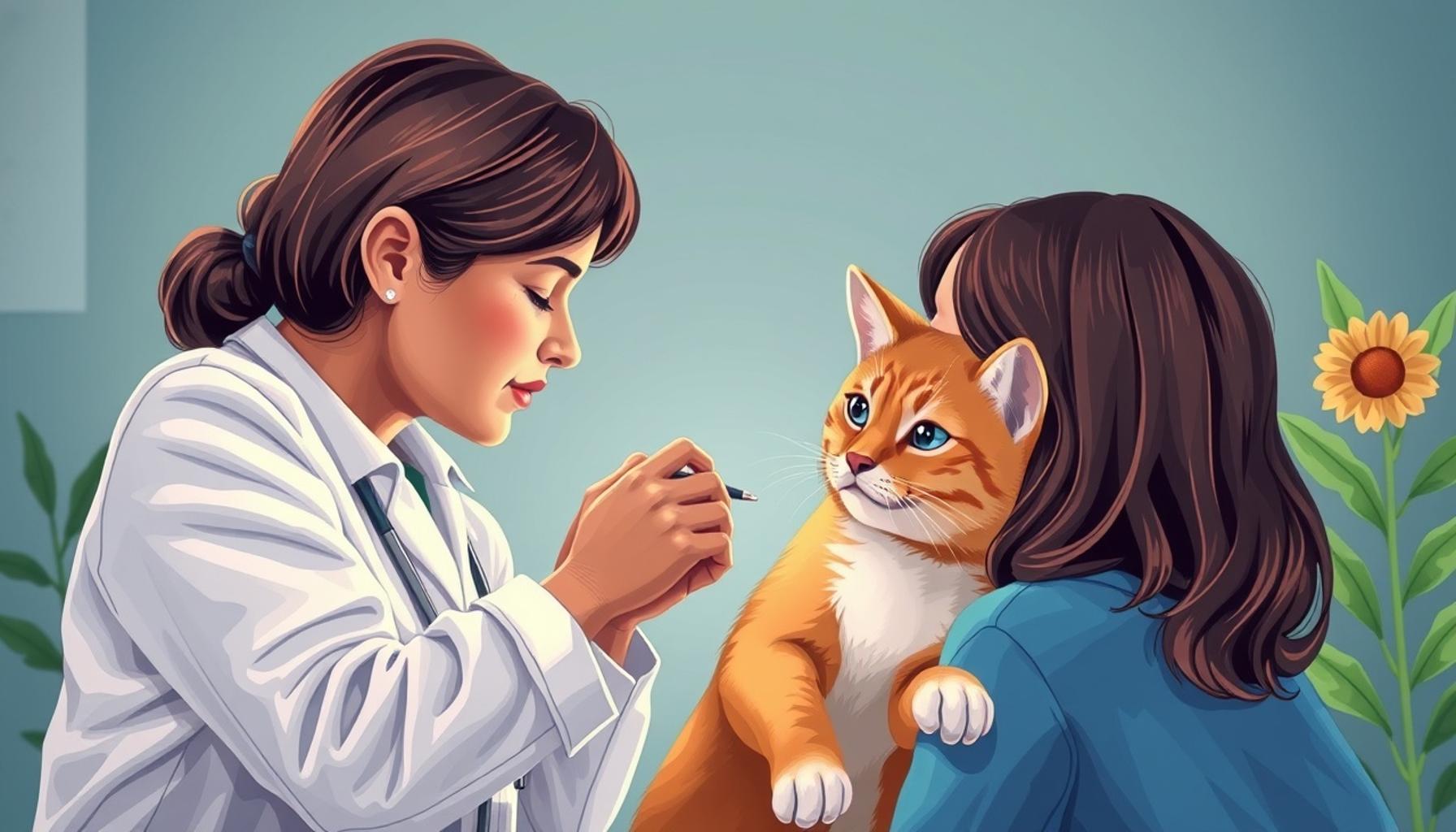
The impact of pet owners’ mental health on the overall health of animals

The Intricate Web of Connections Between Humans and Pets
The dynamics of the bond between pet owners and their animals constitute a unique blend of emotional interdependence and mutual influence. Recent research has increasingly underscored the notion that the mental health of pet owners not only affects their ability to nurture their pets but also can resonate deeply in the lives of the animals themselves. This reciprocity invites a critical examination of how a pet owner’s emotional state can have real implications on various aspects of their pet’s health and behavior.
Several factors underscore this profound relationship, which can become evident in everyday situations:
- Emotional Well-Being: When pet owners experience anxiety or stress, they may find themselves distracted or overwhelmed, making it challenging to provide the affection and care their pets require. For instance, a study published in the Journal of Veterinary Behavior found that owners who reported high levels of anxiety were less inclined to interact playfully with their pets, which is crucial for a dog’s emotional stability. This lack of engagement can lead to behavioral issues in pets, such as increased aggression or anxiety.
- Physical Health: Mental health struggles can manifest in neglect, which can be detrimental to a pet’s physical health. An owner battling depression may find it difficult to maintain a regular feeding schedule or ensure their pets receive adequate exercise. These lapses can lead to obesity, lethargy, and a host of chronic health issues in pets, particularly dogs and cats that thrive on routine.
- Social Interaction: For pet owners grappling with depression, social outings, whether walks or dog park visits, may feel daunting. This limits not only their social interactions but also their pets’ opportunities to engage with other animals and people. Such isolation can stunt a pet’s social skills and contribute to behavioral problems, including fearfulness or excessive barking.
As we navigate this intricate web of connections, various examples illuminate these dynamics in practice. Therapy animals have surged in popularity, proving effective in providing emotional support during difficult times. Research has demonstrated that the presence of animals can lower cortisol levels and increase serotonin, reinforcing the notion that the well-being of pet owners can be intricately linked to that of their pets.
The implications of this relationship extend far beyond the individual, highlighting a broader societal issue related to mental health awareness and animal welfare. When individuals prioritize their mental well-being, they create healthier environments for their pets. This understanding of interconnectedness encourages us to foster positive mental health not just for ourselves, but for the companions who depend on us.
Exploring the nexus of human mental health and pet care opens a dialogue about responsibility, shared emotional landscapes, and the transformative power of the human-animal bond. As we delve deeper into these dynamics, we uncover the nuanced ways in which mental health and well-being are not just personal struggles, but issues that ripple out to affect our loved companions, ultimately enriching their lives as well as our own.

DISCOVER MORE: Click here to learn about clicker training
The Ripple Effects of Mental Health on Animal Care
The intricate interplay between a pet owner’s mental health and their pet’s overall well-being cannot be overstated. When we delve into the subtleties of this relationship, it becomes evident that a pet owner’s emotional state significantly shapes the environment in which their animals live, affecting everything from care routines to behavioral responses. Understanding these dynamics is crucial in fostering a better quality of life for both pets and their owners.
One important aspect to consider is the daily routines that pets thrive on. Pets, especially dogs, rely heavily on consistency and routine for their emotional health. For instance, when a pet owner faces challenges like severe stress or anxiety, they often struggle to maintain these routines. As a result, pets may experience a disruption in their feeding schedules, exercise patterns, and social interactions, which can lead to serious behavioral and physical health issues. A 2021 study conducted by the American Veterinary Medical Association revealed that dogs whose owners had high-stress levels displayed heightened signs of anxiety and destructive behaviors—clear indicators that their mental state was directly affecting their pets.
The interplay extends not only to routines but also to the emotional state shared between pets and their owners. Research shows that emotional contagion can occur within this close bond. Pets are remarkably attuned to their owner’s feelings, and they often mirror their anxiety or stress. Animals exposed to owners who exhibit depressive symptoms may develop similar behaviors, such as lethargy or withdrawal, leading to a cycle of distress in both parties. This highlights a critical point: when pet owners prioritize their mental health, they inherently create a healthier atmosphere for their pets.
Furthermore, the role of social stigma attached to mental health issues poses another challenge. Many pet owners may feel ashamed or uncertain about seeking help for their mental health, which, in turn, can lead to neglect in caring for their pets. The isolation that often accompanies mental health struggles not only limits healthy social interactions but also reduces opportunities for pets to engage with their environment. This can result in behavioral issues, from anxiety and aggression to excessive barking—the culmination of a pet not receiving the socialization it requires.
Below are some key indicators that showcase the impact of a pet owner’s mental health on their pet:
- Neglected Care: A decline in routine care, such as feeding and grooming.
- Reduced Interaction: Decreased playtime and physical engagement, leading to behavioral issues.
- Social Isolation: Limited exposure to other pets and people, which can adversely affect social development.
Addressing the mental health needs of pet owners is essential, not just for their sake but also for the well-being of their beloved pets. When individuals actively seek help and engage in self-care, they cultivate an environment that fosters happiness and health for both themselves and their animals. This interconnected approach serves as a powerful reminder that mental health awareness is crucial not just for us, but for those who depend on us, enhancing the quality of life of our four-legged companions as well.
| Category | Impact on Animal Health |
|---|---|
| Owner’s Mental Well-being | A pet owner’s stress levels and emotional state can significantly affect the behavior and vitality of their pets. Happy owners tend to create a nurturing environment that supports the overall health of their animals. |
| Engagement and Bonding | Positive mental health encourages owners to engage more actively with their pets, leading to better exercise, higher levels of play, and enriched socialization opportunities that benefit the animal’s overall well-being. |
Building on the interconnectedness of pet owners’ mental health and the health of their animals, studies have shown that animals can mirror their owners’ emotional states. For instance, a pet owner experiencing anxiety may inadvertently create a tense atmosphere, influencing their animals to exhibit signs of stress or depression. Furthermore, when pet owners are mentally healthy, it fosters a more active lifestyle, which will enable dogs and cats, in particular, to thrive through increased exercise and interaction. Thus, focusing on pet owner well-being is crucial not only for their own mental health but also for the optimal health of their pets. Moreover, the power of emotional support pets has been demonstrated across many cases where therapy animals help alleviate symptoms of anxiety, depression, and loneliness in their owners. This reciprocal relationship suggests that enhancing pet owners’ mental health is a significant step towards ensuring healthier, happier lives for both pets and their humans. As pet owners learn about these dynamics, they can seek the resources necessary to foster an environment rich in positive interactions, ultimately benefiting their furry companions significantly.
DIVE DEEPER: Click here to discover effective socialization techniques
The Importance of Awareness and Intervention
Recognizing the profound connection between mental health and animal care is indispensable for pet owners, pet professionals, and mental health advocates alike. As we unpack the impact of pet owners’ mental health on their animals, it becomes clear that both awareness and intervention are paramount. This relationship underscores the need for a multidisciplinary approach, involving veterinarians, therapists, and community resources.
One touching example comes from animal shelters, where staff are increasingly attuned to the mental health of prospective adopters. Research published in the journal Pets and Mental Health indicated that individuals struggling with anxiety or depression were more likely to report feeling a deeper bond with animals, indicating a symbiotic relationship where pets might offer emotional support. To tap into this potential, some shelters now include mental health screenings during the adoption process, providing resources for support if needed. By addressing the mental health of new pet owners from the onset, shelters play a crucial role in ensuring that both animals and their owners can thrive.
Moreover, the significance of community support programs cannot be ignored. Initiatives like “pet therapy” or “animal-assisted therapy” leverage the therapeutic benefits of animal interactions to assist those grappling with mental health issues. Studies conducted by the Human-Animal Bond Research Institute found that 74% of pet owners reported mental health improvements due to their pets. Programs that promote interaction between people experiencing mental health challenges and animals can provide emotional relief and help develop nurturing skills that enhance owner-pet relationships.
Another critical aspect is the role of education in shaping the understanding of pet care among owners. Local veterinarians and community workshops can offer guidance on recognizing the signs of a pet’s stress or ill health, which may result from the owner’s emotional struggles. For example, pets that are frequently left alone due to their owner’s bouts of depression may develop separation anxiety. By arming owners with knowledge about their pets’ needs and behaviors, we pave the way for improved mental health outcomes for both owner and animal.
Research also underscores the importance of preventative care to mitigate the mental health challenges faced by pet owners. Regular veterinary check-ups not only ensure the physical health of pets but can also serve as touchpoints for discussing any behavioral changes linked to potential owner distress. Veterinary care can play an active role by providing resources or referrals to mental health services, potentially establishing a cyclical routine of support for both parties.
Moreover, as the conversation around mental health continues to evolve, the change in perception can lessen the stigma surrounding mental health challenges. Public campaigns that normalize discussions about mental health and their effects on all aspects of life—including pet ownership—are integral. Efforts to promote openness can encourage pet owners to seek help, consequently fostering an environment conducive to the wellbeing of their animals.
In summary, understanding the impact of mental health on pet ownership requires a concerted effort from various stakeholders. By enhancing awareness, encouraging community support, facilitating education, and advocating for preventative care, we can create a more balanced and healthier dynamic in the realm of pet ownership. The welfare of our pets largely hinges on the mental health of their owners, making this an urgent issue in today’s society where mental health awareness is imperative.
DISCOVER MORE: Click here to learn about clicker training
Conclusion: A Shared Journey Toward Wellbeing
In concluding our exploration of the impact of pet owners’ mental health on their animals, it becomes increasingly evident that the bond between human and pet is a two-way street. The emotional welfare of owners directly influences the health and happiness of their pets, establishing a vital link that warrants greater attention. As pet owners grapple with their mental health challenges, the repercussions often extend to their furry companions—be it through neglect, stress, or behavioral issues stemming from their owners’ emotional state.
The role of awareness cannot be understated. By illuminating the significance of this relationship, we pave the way for more compassionate and proactive approaches within our communities. Implementing programs that facilitate mental health support for pet owners, whether through educational workshops or cooperative health initiatives, can nurture not only a healthier pet ownership experience but also enhance the overall quality of life for both parties. Such measures could revolutionize how we view pet adoption and care, particularly in recognizing the emotional prerequisites that come with responsible animal ownership.
As we continue to embrace mental health as an integral aspect of our societal framework, it is ultimately our collective responsibility to foster environments conducive to the well-being of both pets and their owners. In doing so, we can transform our communities into spaces where the health of animals and their human companions are prioritized, ensuring that our collective journey toward well-being is a shared one. Embracing this interplay between emotional and physical health opens new avenues for discovery and ultimately enhances the lives of both pets and their people.