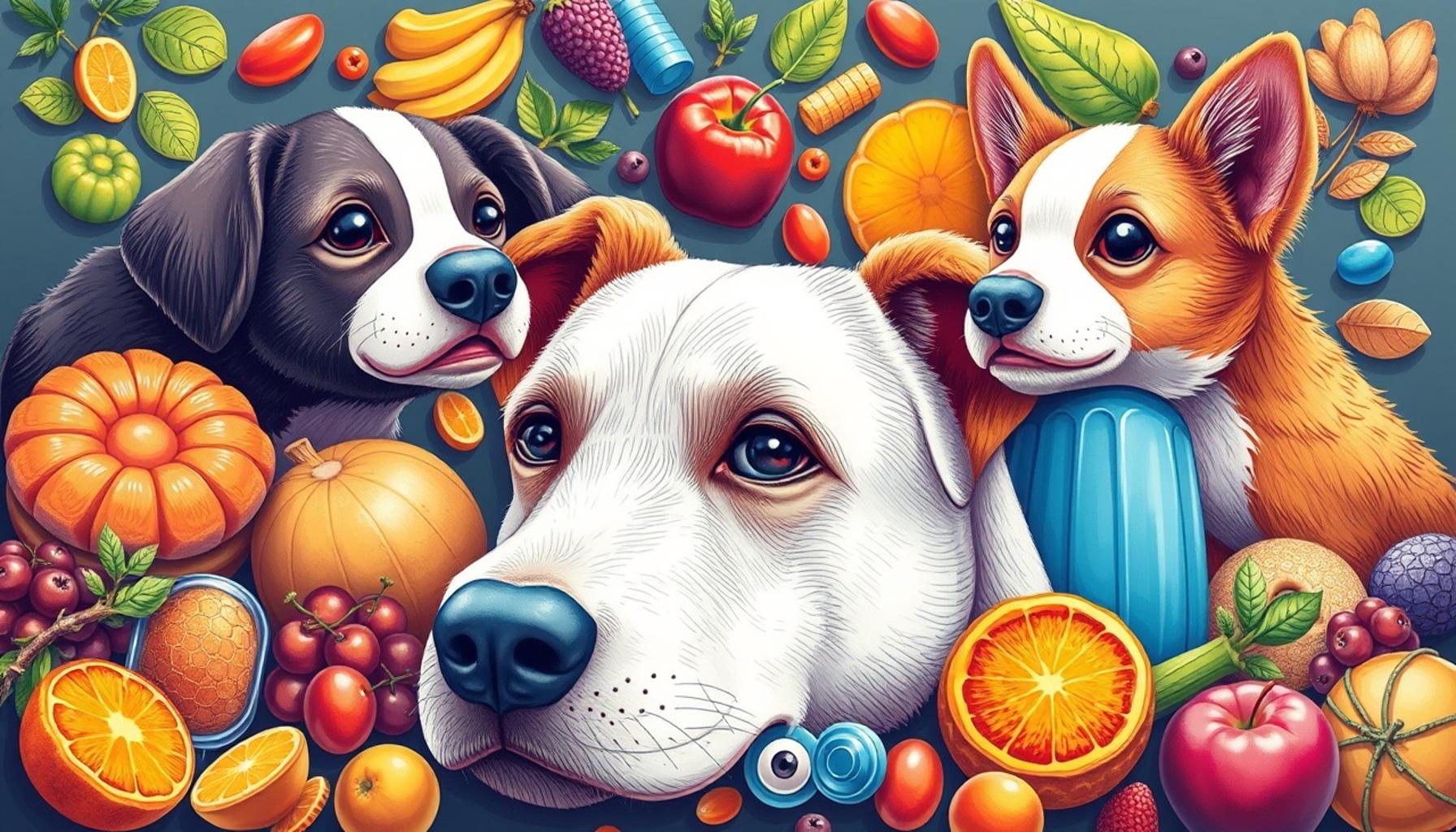
The Importance of a Balanced Diet for Pet Health

The Significance of a Well-Rounded Diet for Pets
A balanced diet is vital for the overall health and longevity of our beloved pets, and it mirrors the nutritional needs humans have. Just like us, pets require various nutrients to function optimally. Unfortunately, many pet owners often underestimate the importance of providing their animals with high-quality nutrition, believing that feeding them is simply a matter of filling a bowl. However, a well-rounded diet can prevent a plethora of health issues and contribute to a happier, more active life.
Key Nutritional Components
- Proteins: These are indispensable for growth, muscle development, and tissue repair. For example, a dog’s body primarily comprises muscle, which requires protein to maintain its condition. Sources like chicken, beef, and fish can offer the high-quality proteins that pets need to thrive.
- Fats: Often misunderstood, fats serve as a crucial energy source and support cell function. They also contribute to a shiny coat and healthy skin. Omega-3 fatty acids, found in fish oil, are particularly beneficial for maintaining heart health and reducing inflammation in both dogs and cats.
- Carbohydrates: Although not as essential as proteins and fats, carbohydrates are important for providing energy and promoting digestive health. Sources like brown rice, sweet potatoes, and peas offer digestible carbs that can enhance your pet’s vitality.
- Vitamins and Minerals: These micronutrients are vital for supporting the immune system and maintaining bone health. For instance, calcium and phosphorus are essential for strong bones, while antioxidants like vitamins E and C can combat harmful free radicals in your pet’s body.
Unfortunately, many pet owners overlook these essential components. The trend of choosing low-quality food options can lead to serious health issues, such as:
- Obesity: Pets fed high-carb, low-nutrient foods are at risk of becoming overweight, which can lead to a shorter lifespan and increased susceptibility to diseases.
- Diabetes: Poor nutrition can contribute to diabetes in pets, particularly among those prone to weight gain.
- Digestive disorders: A diet lacking in fiber can result in gastrointestinal issues, including diarrhea and constipation, affecting your pet’s quality of life.
- Skin issues: Low-quality foods can lead to skin allergies and irritations, resulting in excessive scratching and discomfort.
By understanding the importance of a balanced diet, pet owners can make informed decisions about their furry friends’ nutrition. Investing in a high-quality, nutritionally balanced pet food promotes not only better health outcomes but enhances the happiness and vitality of your pets as well. The quest for optimal pet nutrition is an ongoing journey. Consider exploring different meal options, including homemade diets or vet-recommended brands that meet high-quality standards, to ensure your pets live long, happy lives.
Nourishing Our Pets: The Power of Nutrition
Providing a balanced diet for pets is not merely a recommendation; it’s an essential aspect of responsible pet ownership that plays a significant role in their health and well-being. Nutrition encompasses the various elements that contribute to a pet’s overall vitality, energy, and longevity. Pet owners must recognize that food acts as the foundation of their pet’s health, influencing everything from their immune system to their mood and behavior.
Understanding Pet Nutritional Needs
Just like with humans, pets thrive on a diet that meets their specific nutritional requirements. While it may seem straightforward, choosing the right food can be a daunting task, especially with the overwhelming variety of options available in stores today. It’s essential to understand your pet’s unique needs based on their size, age, activity level, and health status. For instance:

- Age: Young pets require more protein and calories to support their rapid growth and development, while older pets might need lower-calorie options to prevent obesity.
- Breed: Some breeds, such as larger dogs, have specific dietary restrictions due to their susceptibility to certain health conditions, like hip dysplasia.
- Activity Level: Highly active pets require more energy-dense food to fuel their activities compared to sedentary pets.
- Health Conditions: Pets with chronic conditions may need specialized diets tailored to manage their health better, such as low-carb foods for diabetic dogs.
Alongside understanding their needs, pet owners must be aware of the consequences that arise from poor nutritional choices. The food your pet consumes significantly impacts their physical health and behavior. Insufficient nutrients can lead to a myriad of issues, like:
- Dental Problems: Diets high in carbohydrates without proper dental care can contribute to plaque buildup and gum disease.
- Joint Issues: Without the right balance of nutrients, particularly those that support joint health, pets may experience soreness, mobility problems, or degenerative diseases.
- Behavioral Changes: An unbalanced diet, especially those low in essential fatty acids, can lead to anxiety and aggression in pets.
Importantly, making informed food choices doesn’t have to be overwhelming. Researching and consulting with a veterinarian can clarify the appropriate nutritional options while allowing for a mix of commercial and homemade meals. For instance, integrating fresh vegetables, lean proteins, and essential supplements can enhance a pet’s diet, ensuring they receive optimal nutrition. Ultimately, understanding the importance of balanced nutrition can empower owners to make decisions that not only prevent health issues but can dramatically improve their pets’ quality of life. The journey toward nurturing your pet’s health through diet is one worth embarking on, ensuring your furry companion leads a thriving, spirited life.
| Category 1 | Category 2 |
|---|---|
| Nutritional Variety | Providing a diverse range of nutrients from different food sources helps maintain optimal health. |
| Weight Management | A balanced diet assists in preventing obesity, which can lead to serious health issues in pets. |
| Digestive Health | Foods rich in fiber promote healthy digestion and can prevent gastrointestinal issues. |
| Skin and Coat Quality | Incorporating omega fatty acids in the diet improves skin health and coat luster. |
| Enhanced Immune System | A proper balance of vitamins and minerals strengthens immunity, helping pets resist illnesses. |
Understanding the critical elements of pet nutrition is essential for pet owners seeking to optimize their pets’ health and well-being. A balanced diet encompasses not only the right proportions of macronutrients such as proteins, fats, and carbohydrates but also essential micronutrients that serve vital roles in the body. For example, proper nutrition strengthens bones, improves mental health, and can even extend the lifespan of pets.To delve deeper into the significance of a balanced diet, consider the role of specific food types. For instance, protein sources, varying from meats to plant-based options, are crucial for muscle development and energy levels. Additionally, incorporating vegetables can provide antioxidants, which combat free radicals in the body, contributing to overall health maintenance. With the rising awareness regarding pet obesity, many veterinarians now recommend tailored diets aimed at individual needs based on breed, age, and activity level. This personal approach to pet nutrition ensures that each animal receives adequate nutrients, which can vary widely between different dogs and cats.Furthermore, understanding food labels and ingredients, alongside recognizing food allergies, becomes paramount for pet owners. By educating themselves about what a quality diet looks like, pet owners can avoid potential health pitfalls that arise from nutritionally lacking diets. Prioritizing a balanced diet for pets is not just about satisfactory meals but rather a foundational step towards fostering a healthier, happier pet.
The Role of Nutrition in Preventing Illness
Beyond just providing energy and sustaining daily activities, a balanced diet plays a pivotal role in preventing various health issues in pets. Nutrition is a powerful tool that can bolster the immune system and reduce the risk of diseases. Apparently simple, this aspect of pet care can make a substantial difference in the quality and length of a pet’s life. Let’s delve into a few key areas where proper nutrition stands as a first line of defense against common health problems.
Boosting Immunity and Fighting Disease
A well-rounded diet rich in vitamins, minerals, and antioxidants strengthens a pet’s immune system. For example, vitamin E and beta-carotene are potent antioxidants found in many fruits and vegetables; they help shield cells from damage while promoting overall health. These nutritional elements have been shown to improve the body’s defense mechanisms, making pets less susceptible to infections and diseases.
Moreover, pets that receive the right nutrients are not only better equipped to fend off illnesses like obesity and diabetes but also chronic conditions such as kidney disease or arthritis. A study published by the Journal of the American Veterinary Medical Association highlighted that pets on a diet supplemented with Omega-3 fatty acids experienced lower incidences of inflammation and heart disease. By incorporating these essential nutrients into a pet’s diet, owners can proactively safeguard their furry friends’ health.
The Connection Between Diet and Behavior
Interestingly, a pet’s behavior can also be influenced by what they eat. Recent studies suggest a strong link between diet and cognitive function in pets, with particular emphasis on the role of fatty acids in brain health. For instance, diets rich in DHA (Docosahexaenoic Acid), often sourced from fish oils, have shown promise in enhancing learning abilities and reducing anxiety in dogs.
This is particularly beneficial for pets in stressful environments or those experiencing behavioral issues. Feeding pets a balanced diet that includes these key nutrients can lead to improvements in behavior, making them more manageable and enjoyable companions. It’s not just about filling their bowls; it’s about providing the right food to optimize their mental well-being.
Hydration: An Often Overlooked Component
While much focus is placed on solid nutrition, hydration is an equally vital yet often overlooked component of a pet’s diet. Adequate water intake is critical for maintaining health as it impacts digestion, nutrient absorption, and circulatory processes. Pets fed primarily dry kibble need to consume additional water to offset the lack of moisture in their diet. Pet owners should ensure their furry companions have constant access to clean, fresh water, especially if they are consuming dry food.
Moreover, some pet owners opt for a mixture of wet and dry foods to enhance hydration while providing essential nutrients. Commercial canned foods often contain significant moisture levels, making them an excellent alternative, particularly for cats who are known for being less proactive in drinking water.
In conclusion, the significance of a balanced diet for pet health is undeniable. It lays the groundwork for immunity, influences behavior, and maintains hydration, demonstrating just how integral nutrition is to the overall well-being of our beloved pets. Pet owners who make dietary choices grounded in knowledge will not only witness healthier pets but also happier ones.
Final Thoughts on the Necessity of Nutritional Balance
In summary, the importance of a balanced diet for pet health cannot be overstated. The right nutrition serves as the foundation for robust immunity, mental wellness, and overall vitality in our furry companions. From boosting their defenses against illness through vital nutrients to positively influencing their behavior, a well-structured diet is crucial for pet longevity and quality of life.
Moreover, when we recognize the connection between hydration and a balanced diet, we become better equipped to meet all of our pets’ needs holistically. Offering a mix of wet and dry food while ensuring constant access to fresh water can enhance overall health significantly. Given that obesity, diabetes, and various chronic conditions are prevalent in pets, proactive dietary management is a powerful strategy all pet owners should adopt.
Furthermore, ongoing research continues to unveil the intricate relationships between various nutrients and pet well-being. As pet owners, we have the unique opportunity to explore these discoveries and make informed choices that can dramatically improve our pets’ lives. Investing time in understanding pet nutrition can transform our pets from simply existing to flourishing within our homes.
Ultimately, a balanced diet is a comprehensive approach to nurturing our pets physically, mentally, and emotionally. In making thoughtful dietary choices, we not only secure our pets’ health but also deepen the bond we share with them, leading to happier, healthier companions for many joyful years to come.