The importance of neutering and spaying for pet population control

Understanding the Impact of Neutering and Spaying on Animal Welfare
Every year, millions of animals enter shelters, with many facing uncertain futures. The key to addressing this overwhelming crisis lies in neutering and spaying. These responsible practices play a critical role in controlling the pet population effectively.
The U.S. pet overpopulation crisis cannot be ignored. With approximately 6 to 8 million animals entering shelters annually, the reality is sobering; nearly half of these animals are euthanized due to lack of resources and space. This stark statistic underscores the importance of educating pet owners about the significance of spaying and neutering their pets. By acting proactively, pet owners can play a pivotal role in alleviating this burden on shelters.
Benefits of Neutering and Spaying
Neutering and spaying offer numerous benefits, not just for the animals themselves but also for the wider community. Here are some significant reasons why these surgical procedures are essential:
- Reduces Overpopulation: Each unplanned litter contributes to the overwhelming numbers of homeless pets. By spaying female pets, one effectively eliminates the chance of unwanted puppies and kittens entering the world. For instance, a single pair of dogs and their offspring can produce over 67,000 puppies in just six years. This staggering figure highlights the pressing need for responsible pet ownership.
- Health Benefits: Neutering and spaying aren’t merely about population control; they also confer significant health advantages. Spaying female pets reduces the risk of uterine infections and breast tumors, which are malignant or cancerous in about 50% of dogs diagnosed. On the other hand, neutering male pets decreases the likelihood of testicular cancer and various prostate issues, contributing to longer, healthier lives.
- Behavioral Improvements: Behavioral aspects also play a crucial role in the decision to spay or neuter. Pets who are neutered typically exhibit fewer aggressive behaviors, leading to more harmonious interactions among pets and humans alike. A 2008 study reported that neutered male dogs are less likely to roam and are less aggressive towards other pets, effectively improving the overall community dynamic.
As we delve deeper into the significance of these procedures, it becomes clear that spaying and neutering not only help control pet populations but also enhance the well-being of animals in our communities. By reducing the number of homeless pets and promoting healthier animal populations, these practices form the backbone of responsible pet ownership.
Educational campaigns and community initiatives play a fundamental role in spreading awareness about the importance of pet sterilization. Local veterinarians and animal shelters are often involved in providing resources and low-cost spay/neuter services, making these vital procedures accessible to pet owners. Through a collaborative effort, communities can work towards a future where every pet has a loving home and the resources they need for a happy, healthy life.
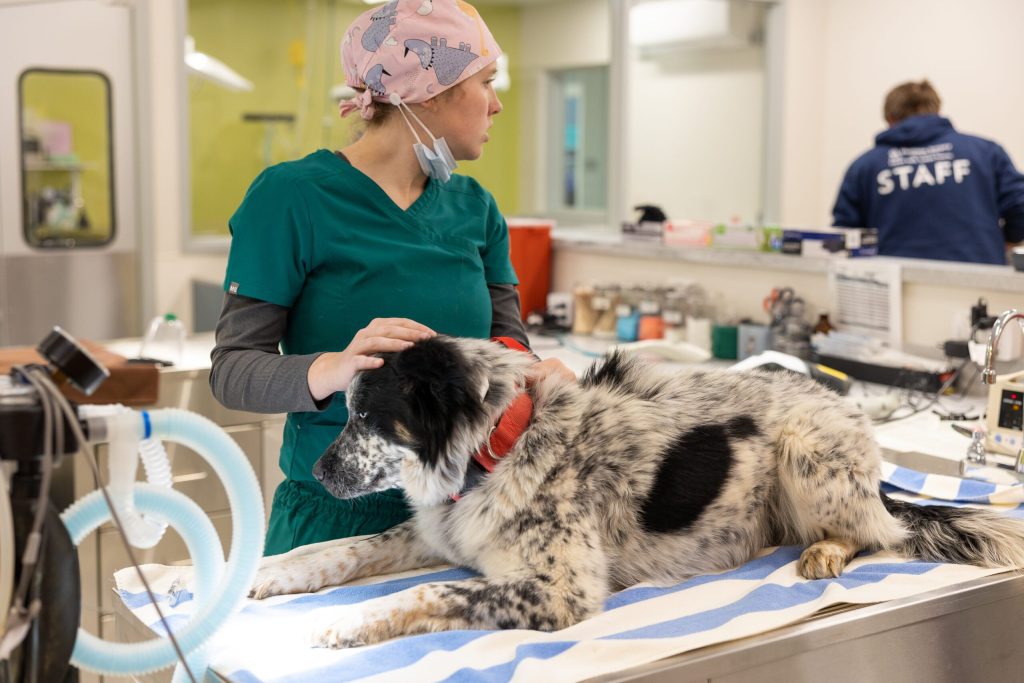
The momentum towards creating a more responsible pet ownership culture starts with individual choices. By embracing neutering and spaying, pet owners contribute to a cycle of compassion and care that ultimately benefits society as a whole. In turn, these proactive measures can lead to a healthier, more responsible landscape for pet ownership.
The Ripple Effect of Responsible Pet Ownership
In understanding the significance of neutering and spaying, one must recognize the far-reaching effects these practices have beyond the individual pet. Each year, the choices made by pet owners ripple through communities, influencing not just animal welfare but also public health and safety. By incorporating these procedures as standard practice, pet owners can contribute to significant changes in their local environments.
The relationship between pet overpopulation and shelters is profound; as the intake of pets increases, the resources available decline, leading to dire consequences. According to the American Society for the Prevention of Cruelty to Animals (ASPCA), approximately 1.5 million shelter animals are euthanized each year simply due to lack of space and adequate care. This staggering figure emphasizes the necessity of proactive measures like spaying and neutering, which directly combat the surplus of animals entering shelters.
Community Health and Safety
The implications of unrestrained pet populations extend into broader community concerns, including public health and safety issues. Unaltered animals are often more prone to behaviors such as roaming and aggression, which can endanger the well-being of both pets and people. Research indicates that around 80% of bites and attacks involve unaltered dogs. By neutering and spaying pets, communities can see a marked reduction in these incidences, fostering safer environments.
Moreover, stray populations not only play a role in local health risks, such as the transmission of diseases like rabies, but they also contribute to the strain on municipal resources. Stray animals often require shelter, medical care, and rehabilitation, placing an unnecessary financial burden on cities and towns. Through systematic implementation of spaying and neutering initiatives, communities can alleviate some of this pressure, reducing the number of strays while promoting responsible pet ownership.
Financial Considerations for Pet Owners
- Cost-Effectiveness: While there may be initial costs associated with spaying and neutering, the long-term financial benefits are substantial. Neutered pets typically require less veterinary care related to reproductive health issues. Additionally, the cost of caring for an unplanned litter can be exorbitant, with expenses related to food, vaccinations, and general care quickly accumulating.
- Potential for Lower Insurance Rates: Some insurance providers offer discounted rates for owners of spayed or neutered pets. This acknowledgment reflects the reduced risk associated with altered animals, benefiting pet owners financially over time.
- Community Programs: Many local organizations provide assistance with spaying and neutering costs, making these essential services more accessible. Participating in community-driven initiatives not only supports individual pet owners but also fosters a collective effort toward responsible pet population management.
Understanding the comprehensive implications of neutering and spaying allows pet owners to make informed decisions that impact not just their own lives but also the well-being of their communities. These procedures are not merely a means of population control but vital components of a healthy ecosystem where pets can thrive alongside their human counterparts, contributing positively to society.
| Advantages of Neutering/Spaying | Importance for Pet Population Control |
|---|---|
| Prevention of Overpopulation | Spaying and neutering significantly reduce the number of unwanted animals, thereby mitigating the strain on rescue shelters. |
| Health Benefits | Pets that are neutered or spayed often experience fewer health issues, enhancing their quality of life and longevity. |
| Reduced Behavioral Issues | Controlling pet reproduction can minimize behavioral problems, such as aggression, which are often exacerbated by unaltered pets. |
| Financial Savings | Fewer unwanted litters lead to lower veterinary and sheltering costs for communities and for pet owners. |
The conversation surrounding pet population control is critical, particularly as statistics indicate that millions of animals enter shelters each year. By highlighting the advantages of neutering and spaying, we draw a clear connection to the necessity of responsible pet ownership. The financial burdens on local governments and animal welfare organizations can be lessened and the cycle of overpopulation can be addressed on a larger scale. By becoming informed and involved, pet owners can play a pivotal role in shaping a sustainable future for pets and their communities alike.
A Collaborative Approach to Animal Welfare
The discussion around the importance of neutering and spaying does not merely center on individual pet ownership; it extends into a collaborative approach that involves shelters, veterinarians, and community organizations. Together, these entities can create a multi-faceted strategy to address the pressing issue of pet overpopulation. By working in unison, they can not only facilitate public awareness programs but also offer tangible resources that encourage responsible pet ownership.
Educational Initiatives and Outreach Programs
Education plays a crucial role in altering perceptions about spaying and neutering. Many pet owners still harbor misconceptions about the procedures, often due to a lack of awareness regarding the health benefits and societal impacts. Community outreach programs that actively promote educational workshops can empower pet owners with the knowledge needed to understand that these practices lead not only to healthier lives for pets but also to safer communities.
In some cities, local veterinarians, in partnership with animal shelters, have initiated targeted campaigns aimed specifically at educating low-income households about the benefits of spaying and neutering. These campaigns often include informational pamphlets, free or low-cost spay/neuter clinics, and social media outreach tailored to engage broader audiences. Such initiatives are proving to be effective; studies reveal that communities with robust educational programs see a marked decrease in unplanned litters and, consequently, a reduction in shelter populations.
Legislative Support for Responsible Practices
Legislation can also play a pivotal role in promoting spaying and neutering as a normative practice. Several states have adopted laws that encourage or mandate spay/neuter programs, especially in relation to shelter animals. For instance, in California, the Spay and Neuter Incentive Program (SNIP) offers financial assistance for pet owners, making the decision to alter their pets more financially feasible.
Moreover, cities are increasingly exploring the implementation of ordinances that require pet owners to spay or neuter their animals unless they are breeders or show animals. By adopting such measures, local governments not only curtail overpopulation but also demonstrate a commitment to public health and animal welfare.
Innovative Solutions and Technology
Emerging technology is also contributing to the fight against pet overpopulation. Innovations in reproductive health technology, such as nonsurgical sterilization methods, are gaining traction. These methods, which aim to provide permanent infertility without surgery, can offer a less invasive solution for pet owners hesitant about traditional procedures. While still under research and development, such advancements hold promise for expanding the reach and acceptance of spaying and neutering.
- Collaboration with Technology Companies: Some animal welfare organizations are partnering with tech companies to develop apps that facilitate spay/neuter appointments or provide reminders for pet owners about upcoming clinics. This not only enhances accessibility but also engages pet owners in a more interactive manner.
- Tracking and Reporting Systems: Data analytics play a crucial role in tracking pet populations and monitoring the success rates of spay/neuter initiatives. By analyzing this data, organizations can tailor their outreach and intervention programs to meet specific community needs effectively.
The collective commitment to spaying and neutering as a societal norm can lead to a marked transformation in pet population control, culminating in healthier, safer communities for both animals and humans alike. Understanding the collaborative efforts at the local level can encourage individuals to take part in shaping a more sustainable future for pets. The integration of education, legislation, and technology drives home the message that responsible pet ownership, grounded in the understanding of the benefits of spaying and neutering, is indispensable to effectively managing pet populations.
Conclusion: A Shared Responsibility for a Brighter Future
As we reflect on the vital role of neutering and spaying in managing pet populations, it becomes increasingly evident that this responsibility transcends just individual pet ownership. The collaborative efforts of animal shelters, veterinarians, community organizations, and legislative bodies create a holistic approach to curbing overpopulation and enhancing animal welfare. Education remains a cornerstone of this initiative; by illuminating the health benefits of spaying and neutering, we can dissolve prevalent misconceptions and empower pet owners to make informed decisions.
Legislative measures, such as the Spay and Neuter Incentive Program (SNIP) and community ordinances, pave the way for a culture that prioritizes responsible pet ownership. Furthermore, innovative technological advancements make spaying and neutering more accessible than ever—easing the process and encouraging broader participation.
These coordinated efforts not only address the immediate challenges related to pet overpopulation but also sow the seeds for safer, healthier communities. As we envision a future where every animal has a loving home, it is imperative that we continue to advocate for and participate in spaying and neutering initiatives. By fostering a community that values these practices, we can ensure a sustainable and humane environment for our pets and ourselves. The time to act is now, as every little decision contributes to a monumental change in our society’s approach to animal care.