The Importance of Preventive Health in Pets: How Regular Check-ups Can Prolong Your Pets’ Lives
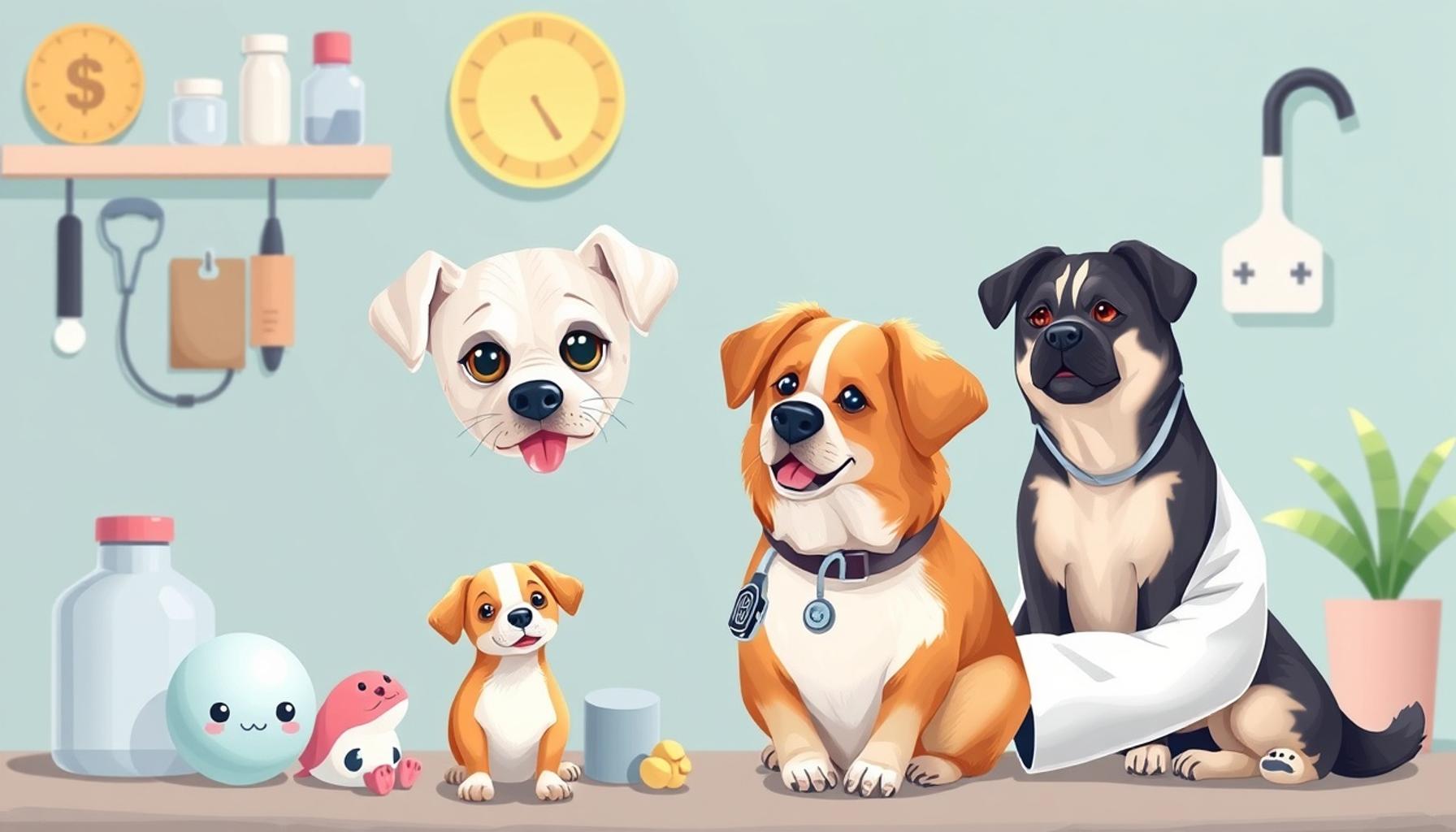
The Importance of Routine Veterinary Care
Pets, much like their human companions, thrive on regular health care routines that ensure their overall well-being. Emphasizing preventive health measures can yield profound benefits, enhancing the quality and longevity of life for your furry friend. Committing to routine veterinary check-ups serves as a baseline for detecting underlying health issues early, allowing for swift intervention and treatment.
Key Benefits of Regular Check-ups
- Early Detection: Regular veterinary visits are crucial as they facilitate the early identification of diseases that might not be apparent at home. For instance, conditions like diabetes or kidney disease can develop silently, but routine blood tests can catch them before they become critical.
- Vaccinations: Keeping your pet up-to-date on vaccinations not only protects them from common and often deadly diseases—such as rabies and parvovirus—but also promotes public health by mitigating zoonotic diseases that can transfer to humans.
- Weight Management: Obesity is an epidemic among pets in the United States, increasing the risk of chronic diseases. Regular vet visits play a pivotal role in monitoring weight and providing dietary recommendations tailored specifically for your pet, fostering a healthier lifestyle.
- Dental Care: Many pet owners underestimate the importance of oral health. Professional dental cleanings during vet visits can prevent serious issues such as periodontal disease, which might lead to pain and tooth loss. Regular dental care can enhance breath odor and overall health.
The American Veterinary Medical Association (AVMA) highlights that routine preventive care not only extends the lifespan of pets but also improves their quality of life. These visits provide essential insights not just into physical health but also cover behavioral concerns and dietary needs, helping pet owners tailor their care effectively. For example, if an anxious pet exhibits behavioral changes, a veterinarian can recommend appropriate training or behavioral therapies.
From playful puppies to wise senior cats, practicing preventive health is vital for every type of pet. By embracing these preventive measures, pet owners play an integral role in ensuring their companions not only live longer but also lead enriched, fulfilling lives filled with vitality and joy. Understanding the indispensable value of preventive health empowers pet owners to foster environments that prioritize the happiness and health of their beloved animals.
DISCOVER MORE: Click here to learn about the impact of nutrition on your pet’s health
Understanding the Role of Preventive Health in Pet Care
The significance of preventive health in pets cannot be overstated. Just as humans schedule regular check-ups to monitor their health, pets require the same diligence. These veterinary visits are instrumental in establishing a health baseline, accumulating vital health records, and preventing diseases before they escalate into more significant problems. According to the American Animal Hospital Association (AAHA), pets that receive regular preventive care are likely to live longer, healthier lives. But what does this preventive health encompass, and how can it truly make a difference in your pet’s life?
Comprehensive Health Assessments
Regular veterinary visits typically start with a thorough examination. During these assessments, veterinarians evaluate weight, coat condition, skin health, and overall demeanor. These indicators can often reveal much about your pet’s health.
- Physical Exams: Routine check-ups include comprehensive physical examinations that can uncover hidden health issues like heart murmurs or lumps, which may go unnoticed in day-to-day life.
- Laboratory Tests: Veterinarians often recommend routine blood work, urinalysis, and fecal examinations. These laboratory tests help screen for hormonal imbalances and infections, contributing significantly to your pet’s early diagnosis and treatment plan.
- Age-Specific Care: As pets age, their healthcare needs evolve. Preventive measures such as senior wellness exams are tailored to detect age-related diseases early. Regular assessments can catch conditions like arthritis or cognitive dysfunction at manageable stages.
Moreover, the concept of preventive health extends beyond physical assessments. It includes discussions about your pet’s behavioral and environmental needs, with veterinarians providing insights tailored to breed-specific health risks. For example, certain breeds may be predisposed to specific genetic conditions such as hip dysplasia or eye diseases. Being aware of these can help pet owners take proactive measures, including appropriate exercise routines and dietary adjustments.
The impact of preventive health care extends beyond individual pets; it also enhances community health. Vaccinating pets not only protects them from infectious diseases but contributes to herd immunity, reducing the overall prevalence of diseases within the pet population. Furthermore, some diseases that affect pets, such as Lyme disease and rabies, can have zoonotic implications, posing a risk to human health as well. By ensuring pets are regularly vaccinated and receive appropriate preventive care, pet owners safeguard not just their beloved animals, but the health of families and communities.
In summary, understanding the vital role of preventive health is key to maximizing your pet’s lifespan and quality of life. By prioritizing regular check-ups, pet owners can unleash a multitude of benefits, creating an environment of proactive, rather than reactive, health care. Embracing this approach will empower you to advocate for the health and happiness of your furry companion, safeguarding their well-being every step of the way.
| Advantage | Explanation |
|---|---|
| Early Detection of Health Issues | Regular check-ups enable veterinarians to identify signs of potential health issues before they become serious, allowing for timely intervention and treatment. |
| Cost-Effective Health Management | Routine visits can prevent costly emergency treatments by fixing minor issues early, ultimately saving pet owners money in the long run. |
Regular veterinary visits are a proactive approach to maintaining your pet’s health, ensuring they remain happy and active throughout their lives. These scheduled check-ups not only involve physical examinations but also provide an opportunity for pet owners to discuss any concerns regarding their pet’s behavior or dietary needs. Furthermore, vaccinations and preventive care such as flea and tick treatments can be managed effectively during these visits, guarding against diseases that could endanger your pet’s health.By understanding the significance of preventive healthcare, pet owners can make informed decisions that enhance their pets’ quality of life. For example, conditions like diabetes or heart disease can be managed better when caught early. Statistics show that pets receiving regular health assessments tend to live longer, healthier lives, contributing to the overall wellbeing of both the pet and the family. Engaging in preventive health measures is not just beneficial, it is essential for any conscientious pet owner who values their pet’s life.
DIVE DEEPER: Click here to discover innovative training methods
Creating a Preventive Care Routine
Establishing a preventive health care routine is essential for any pet owner committed to enhancing their furry companion’s quality of life. The cornerstone of this routine lies in understanding the significance of schedule adherence and follow-up care. By creating a structured approach to your pet’s health, you can ensure that preventive measures are consistently implemented.
Regular Vaccinations and Preventive Treatments
One of the most critical components of preventive health is keeping your pet’s vaccinations up to date. Annual vaccinations not only protect your pets against deadly diseases like parvovirus and distemper, but they also play a significant role in maintaining public health. In addition to core vaccinations, there are several optional vaccines based on lifestyle and geographic location. For example, if you live in a region where Lyme disease is prevalent, immunizations against tick-borne illnesses become crucial for your pet.
- Parasite Prevention: Regular deworming and flea and tick prevention are essential components of a complete health check-up. These proactive steps not only protect your pet from discomfort but also mitigate the risk of transmitting parasites to humans, particularly children, who may interact closely with their pets.
- Heartworm Testing: Routine heartworm tests are a staple in preventive care. These tests should be conducted annually, as heartworm is a severe and potentially fatal condition that can be easily prevented with monthly medication.
By ensuring that vaccinations and preventive treatments are administered on schedule, owners can avoid unexpected health crises that often arise when preventive measures are neglected.
Nutritional Counseling and Weight Management
Another critical facet of preventive health is proper nutrition and maintaining a healthy weight. Obesity is a growing concern among pets in the United States, with studies indicating that nearly 56% of dogs and 60% of cats are classified as overweight or obese. This trend is not only detrimental to their overall health but can lead to catastrophic conditions like diabetes, arthritis, and cardiovascular diseases.
Regular veterinary visits allow for nutritional counseling, ensuring that your pet receives a balanced diet tailored to their age, breed, and health conditions. This customized dietary plan may include recommendations for high-quality kibble, portion control, and even weight-loss diets for pets struggling with obesity.
Behavioral Assessments
Preventive health also encompasses behavioral assessments, which can significantly improve the overall quality of life for both pets and their owners. Understanding your pet’s behavior helps to identify any anxiety, aggression, or stress-related issues early on. For example, does your dog exhibit signs of separation anxiety when left alone? Early identification and intervention can lead to effective treatment strategies, often preventing more serious behavioral issues down the road.
Discussing behavioral concerns with your veterinarian can open up avenues for targeted training, socialization strategies, or even the assessment of underlying medical issues that may contribute to behavioral abnormalities.
Ultimately, a comprehensive preventive health routine that combines disease prevention, nutritional counseling, and behavioral assessments creates a holistic approach, making significant strides toward extending and enriching your pet’s life. Engaging with your veterinarian to develop a detailed plan will also foster a strong relationship between you and your provider, ensuring your pet’s health remains a top priority.
DISCOVER MORE: Click here to learn advanced techniques
Conclusion
In summary, the importance of preventive health care for pets cannot be overstated. Regular check-ups not only enhance the longevity of our furry companions, but they also foster a more vibrant and fulfilling life for both pets and their owners. By prioritizing routine veterinary visits, vaccinations, preventive treatments, and nutritional guidance, pet owners are actively participating in the well-being of their beloved animals.
Moreover, the holistic approach of combining physical health with behavioral assessments further enriches the lives of pets. A happy pet often leads to happier owners, creating a more harmonious household. The reality that nearly 56% of dogs and 60% of cats are overweight highlights the crucial need for a committed approach to health management, where the guidance of veterinarians becomes indispensable in goal-setting for our pets’ health.
As responsible pet owners, embracing preventive health routines can significantly reduce the onset of chronic diseases, facilitate early diagnosis, and ultimately lead to better quality of life for our animals. By investing time and resources into their health care, we can ensure our pets lead longer, healthier, and more joyful lives. Therefore, initiate that conversation with your veterinarian today; an annual wellness plan could be the best gift you ever give to your pet.