The Importance of Preventive Health in Pets: Vaccines and Regular Check-ups

The Importance of Preventive Health in Pets
Pet ownership is a rewarding journey, filled with joyful moments and unbreakable bonds. However, the responsibility of keeping our furry friends healthy can often be overwhelming. This is where preventive health plays a vital role in ensuring that our pets live long, happy, and healthy lives.
One of the fundamental aspects of preventive health is the commitment to regular veterinary check-ups. Just like humans, pets require routine assessments to monitor their health status. Early detection of potential health issues during these visits can lead to prompt treatment and a better outcome. For example, conditions such as diabetes or kidney disease can be subtle in their early stages but can be detected through blood tests and regular screenings. A veterinarian can identify alterations in your pet’s health that may be missed by a diligent owner.
Another cornerstone of preventive care is vaccinations. Vaccines are essential tools in protecting pets from serious and often fatal diseases. Common vaccinations for dogs include those for rabies, distemper, parvovirus, and bordetella, while cats generally receive vaccinations for rabies, feline distemper, and feline leukemia. For instance, parvovirus is a highly contagious condition that can lead to severe illness or even death in puppies. Keeping your pet’s vaccinations up to date not only protects them but also helps to maintain public health, reducing the incidence of zoonotic diseases that can affect humans.
Health Monitoring and Maintenance
Routine vet visits also facilitate important health monitoring. These sessions allow pet owners to track their pet’s weight, dental health, and overall physical condition. Obesity is an increasing problem among pets in the U.S., with approximately 56% of dogs and 60% of cats classified as overweight or obese. Regular veterinary evaluations help identify weight issues early, enabling necessary dietary adjustments or increased exercise routines to be implemented. Additionally, dental health is often overlooked by pet owners. Regular veterinary cleanings and check-ups can prevent painful dental disease that impacts overall well-being.
Veterinarians recommend establishing a preventive care routine as soon as you bring your pet home. This approach not only safeguards your pet but also enhances their quality of life. Starting preventive health measures at a young age can create a lasting foundation for your pet’s future well-being. For instance, socialization and training during puppyhood can prevent behavioral problems down the line, making management easier for pet owners and fostering a more harmonious living environment.
By understanding the significance of preventive health measures, pet owners can make informed decisions regarding their companions’ care. In this article, we will delve deeper into the roles of vaccines and regular check-ups. Through careful consideration of these components, you can contribute to healthier pets and happier homes. Prepare to discover invaluable information that can transform the way you care for your beloved companions.
Understanding Vaccines: Safeguarding Your Pets
When it comes to the health of our pets, vaccines stand as the first line of defense against a multitude of dangerous diseases. A proper vaccination schedule, curated by a veterinarian, is essential to ensure your pet’s immune system is robust enough to combat common infections. For example, the rabies vaccine not only protects your pet but also plays a crucial role in public health, as rabies is a zoonotic disease transmissible to humans.
Moreover, vaccinations do not operate in isolation. The timing and combination of vaccines are intentionally planned to synergize for optimal protection. The core vaccines include:
- Rabies: Required by law in many states, this vaccine is essential for all pets.
- Distemper: A severe illness that can affect a dog’s respiratory, gastrointestinal, and nervous systems.
- Parvovirus: Particularly dangerous for puppies, this virus causes severe gastrointestinal distress.
- Bordetella: Often referred to as kennel cough, this bacterial infection spreads quickly in social settings.
- Feline Leukemia: A viral infection highly prevalent among cats, it can lead to severe immune compromise.
Ensuring vaccinations are administered on schedule can prevent an outbreak of these diseases not just in your pet but in the larger community as well. It’s critical to have open communication with your veterinarian to understand which vaccines are appropriate for your pet, as well as any necessary boosters that should be administered as they age. This proactive approach can potentially save lives.
The Role of Routine Check-ups in Preventive Health
While vaccines are imperative for immediate protection, routine veterinary check-ups allow for a comprehensive overview of your pet’s ongoing health. During these visits, veterinarians conduct assessments that extend beyond vaccination statuses. They examine:
- Body Condition Score: This helps assess whether your pet is at a healthy weight.
- Dental Health: Dental disease can lead to painful conditions and affect overall health.
- Skin and Coat Condition: Changes in these areas can indicate allergies, parasites, or other health issues.
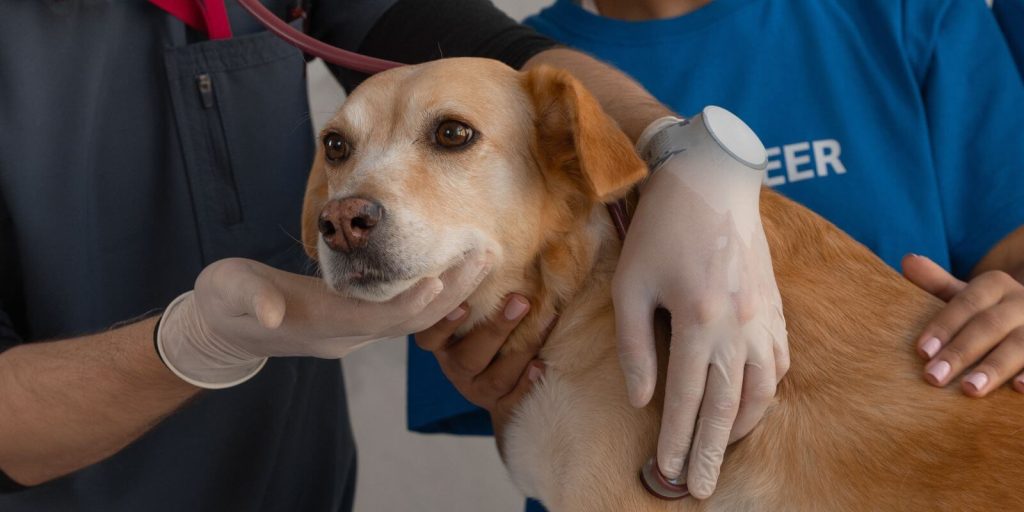
- Heart and Lung Function: Auscultation and breathing assessments are vital for catching early signs of heart disease.
Frequent evaluations mean that subtle yet significant health changes can be identified earlier, allowing for timely interventions and treatments. This approach leads to improved longevity and quality of life for your pet. With the average lifespan of dogs and cats extending into their teen years, investing in preventive health is both a practical and compassionate choice for caregivers.
In summary, the integration of routine check-ups and vaccines creates a robust framework for maintaining your pet’s health. By prioritizing these preventive health measures, pet owners can significantly enhance their companions’ overall well-being and ensure a longer, happier life together.
The Essential Role of Preventive Health in Pets
Preventive health practices for pets, such as vaccinations and regular check-ups, are critical for ensuring their long-term health and well-being. These measures not only help in preventing serious diseases but also promote early detection of any health issues, leading to more effective treatment options. For pet owners, understanding the importance of these preventive measures can make a significant difference in their pet’s quality of life.Vaccinations play a pivotal role in protecting pets against life-threatening diseases such as rabies, parvovirus, and distemper. By adhering to a proper vaccination schedule set by veterinarians, pet owners can reduce the risk of outbreaks and health complications that can arise from neglecting these essential immunizations. The old adage “an ounce of prevention is worth a pound of cure” rings especially true in this context, as vaccination can be a simple yet powerful tool in safeguarding our furry companions.In addition to vaccinations, regular check-ups are equally crucial. They allow veterinarians to monitor a pet’s health over time, ensuring any changes are promptly addressed. These visits can reveal underlying health issues that may not be visible to pet owners. For example, a routine examination could uncover dental disease, obesity, or early signs of arthritis, enabling preemptive care that enhances the longevity and happiness of a pet.Moreover, these check-ups provide an invaluable opportunity for pet owners to seek advice on nutrition, behavior, and lifestyle adjustments that can further contribute to their pets’ well-being. Engaging with their veterinarian fosters a team-centric approach towards pet health, ensuring that every aspect of a pet’s life is optimized for health and happiness.Vaccines and check-ups work hand-in-hand to create a comprehensive preventive health strategy. The more informed pet owners are about the benefits of these practices, the better equipped they are to make decisions that positively impact their pet’s health. As we delve deeper into this topic, it becomes evident that prioritizing preventative measures is not just a recommendation; it is an essential commitment that every responsible pet owner should embrace.
| Advantage | Detail |
|---|---|
| Disease Prevention | Vaccinations protect against severe illnesses. |
| Early Detection | Regular check-ups identify health issues before they escalate. |
| Cost-Effective | Prevention reduces expensive treatments later. |
Emphasizing preventive health through vaccines and regular vet visits not only enhances the quality of life for pets but fosters a deeper bond between pet owners and their furry friends. Understanding these concepts is the first step toward committing to a healthier future for our beloved pets.
The Impact of Early Disease Detection
Another critical advantage of regular veterinary visits is the potential for early disease detection. Many severe health conditions manifest subtle symptoms that can easily be overlooked by pet owners. For instance, conditions like diabetes and kidney disease can often go unnoticed until they have progressed to a more severe stage. Routine check-ups provide an essential opportunity for blood tests and comprehensive examinations that can reveal these undercurrents of illness before they escalate. By identifying potential issues early, pet owners can embark on treatment plans sooner, leading to better outcomes and potentially saving significant veterinary costs in the long run.
The average cost of veterinary care can be quite high, with emergency visits and treatments tallying up quickly. According to the American Pet Products Association (APPA), Americans are projected to spend over $30 billion on veterinary care in a single year. Investing in preventive health through regular check-ups and appropriate vaccinations can be a wise financial decision, significantly reducing the likelihood of expensive emergency interventions later. By scheduling routine visits, pet owners facilitate an environment conducive to proactive health management, effectively warding off emergencies and exorbitant costs.
Nutrition and Lifestyle Counseling
Routine veterinary visits also provide a platform for discussing nutrition and lifestyle choices that could potentially shape the well-being of your pet. Obesity is a nationwide concern among pets in the United States, with studies indicating nearly 60% of dogs and cats being classified as overweight or obese. This troubling trend brings various health repercussions, including joint pain, diabetes, and cardiovascular issues. Your veterinarian can provide tailored guidance on appropriate portion sizes, food types, and even diet plans to ensure your pet maintains a healthy weight.
Furthermore, regular check-ups allow veterinarians to educate pet owners on the importance of exercise. Just like in humans, regular physical activity is vital for preventing a myriad of health issues in pets. Encouraging walks for dogs and playtime for cats fosters both physical and mental stimulation, contributing to your pet’s overall health. Many veterinary practices even offer resources such as dog training classes or recommendations for local pet fitness programs, presenting additional avenues to enhance your pet’s lifestyle.
The Emotional Benefits of Preventive Health
In addition to the physical health advantages, preventive care can also foster emotional well-being in pets. Regular visits to the veterinarian can assist in reducing anxiety and fear that may be associated with medical appointments. Familiarizing your pet with the clinical environment through routine check-ups can lead to a more positive experience during vet visits, lessening stress levels for both the pet and its owner.
Furthermore, engaging with your veterinarian during these visits establishes a trusted partnership in your pet’s healthcare journey. It fosters relationships that are pivotal in understanding your pet’s unique personality and behavior, leading to tailored care that resonates with their individual needs.
Understanding the comprehensive role of preventive health, from vaccinations to regular check-ups, embraces a holistic approach to ensuring your pet thrives in health and happiness. By investing time and resources into these essential measures, pet owners can contribute significantly to the longevity and quality of life for their beloved companions.
Conclusion: Prioritizing Preventive Health for Pets
In conclusion, preventive health care is not just an option but a necessity for pet owners dedicated to ensuring their furry companions lead long, healthy lives. The advantages of regular veterinary check-ups extend far beyond simple vaccinations; they encompass early detection of health issues, nutritional guidance, and lifestyle counseling that can drastically enhance a pet’s quality of life. With alarming statistics indicating that nearly 60% of pets suffer from obesity-related conditions, the role of proactive health management cannot be overstated.
Moreover, the significant financial impact of routine veterinary visits should not be overlooked. By prioritizing preventive measures, pet owners can avoid costly emergency interventions and painful late-stage treatments. Indeed, as indicated by the American Pet Products Association, with the staggering $30 billion spent annually on pet care, a strategic focus on preventive health can be a wise investment.
On an emotional level, fostering a strong relationship with your veterinarian not only mitigates the anxiety often associated with medical visits but also ensures a tailored approach to your pet’s individual needs. Regular interactions create a trusted partnership that allows for a deeper understanding of behavioral nuances, further enriching your pet’s well-being.
In summary, embracing preventive health practices—through dedicated vaccination programs and consistent veterinary check-ups—empowers pet owners to take charge of their pets’ health journeys. By doing so, we not only enhance their longevity but also enrich the bond we share with our beloved companions, ensuring both they and we enjoy a lifetime of happiness and health.