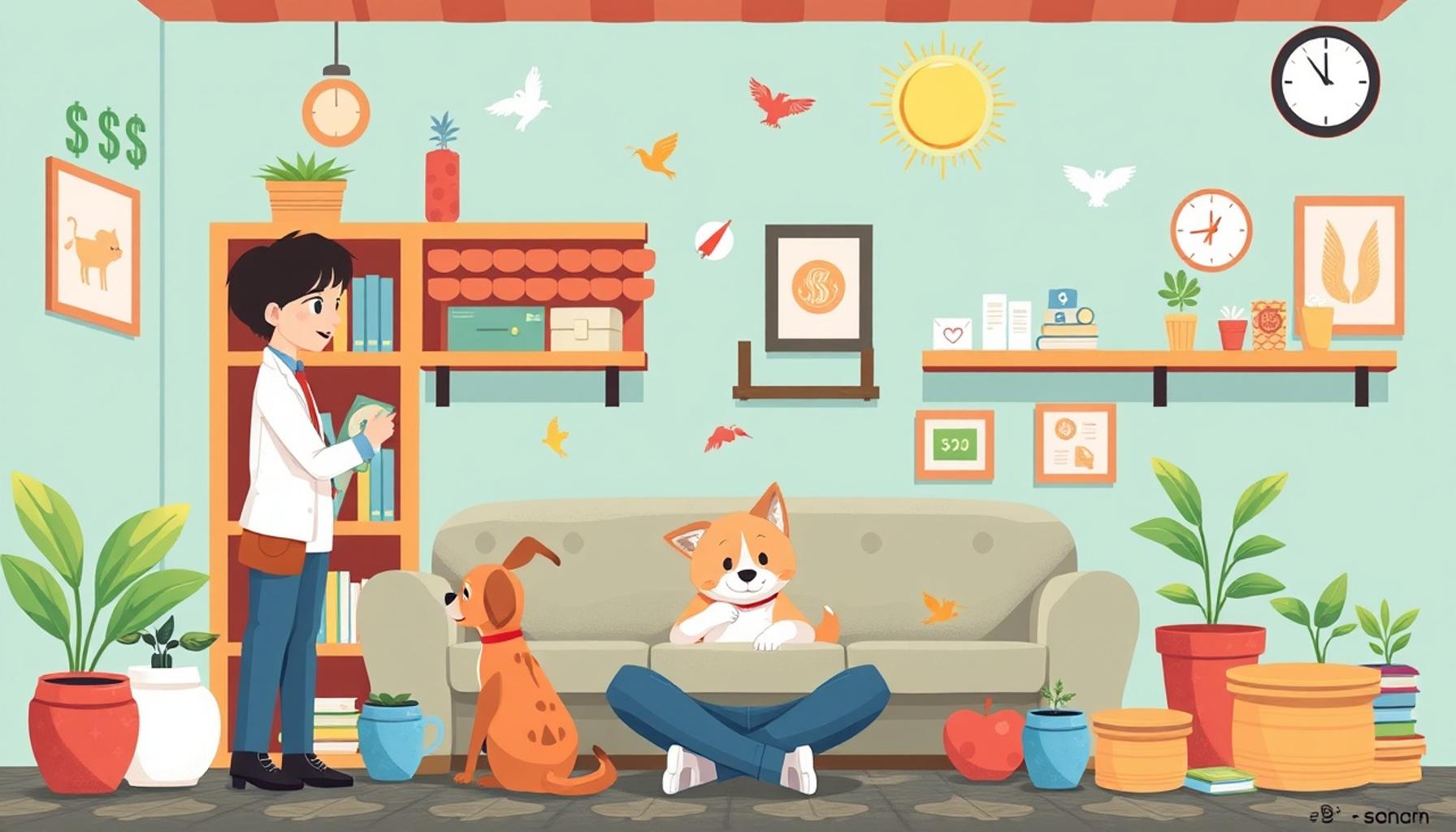
The Importance of Responsible Adoption: How to Provide a Loving Home for a Pet

Understanding Responsible Adoption
Welcoming a pet into your home is an enriching experience, but it comes with significant responsibilities that extend beyond just providing food and shelter. Each year, millions of animals in shelters are waiting for the warmth of a loving family. Sadly, many of these pets end up being returned to shelters due to a lack of preparation and understanding of their needs. Responsible adoption is crucial for both the well-being of the pet and the happiness of the adopter.
Why Responsible Adoption Matters
Responsible adoption is essential to ensure that both the pet and the new owner thrive together in a harmonious environment. To make informed decisions, consider the following key aspects:
- Research the breed: Different pets come with unique traits and needs. For instance, high-energy breeds like Border Collies require more exercise and mental stimulation compared to lower-energy breeds like Basset Hounds. Understanding these nuances can help you select a pet that suits your lifestyle.
- Time commitment: Pets require consistent attention and love. Dogs need daily walks and playtime, while cats benefit from interactive toys and companionship. An unresolved schedule can lead to behavioral issues stemming from boredom or loneliness.
- Financial preparedness: Owning a pet involves recurring costs such as food, veterinary visits, grooming, and supplies. For instance, the American Kennel Club estimates that the first year of dog ownership can cost anywhere from $2,500 to $3,000, depending on the breed and health needs. A thorough financial plan can prevent surprises down the line.
According to recent statistics, nearly 20% of adopted pets are returned to shelters within just one month due to various issues, highlighting the urgent need for potential pet owners to be fully informed prior to making such a lifelong commitment.
Creating a Safe Environment
Once you’ve decided to adopt, creating a nurturing atmosphere for your new companion is vital. Here are essential steps to consider:
- Pet-proof your home: This involves removing hazards such as toxic plants, securing hazardous chemicals, and keeping small objects out of reach. Even items like electrical cords can pose risks, especially to curious puppies and kittens.
- Establish routines: Consistency is key; dogs thrive on regular feeding and walking schedules while cats benefit from structured playtime. Making daily plans helps establish trust and understanding between you and your pet.
- Engage with a vet: Coordinating regular check-ups not only monitors health but also helps in maintaining a vaccination schedule. Finding a reputable vet early on can give you peace of mind and save you substantial costs in emergencies.
By truly understanding the nuances of responsible adoption, you can foster a lasting bond that enriches your life while providing a safe and loving home for your pet. Pet ownership is a journey filled with joy, challenges, and ultimately a deeper understanding of companionship. Embrace this journey with knowledge and compassion to ensure a mutually fulfilling experience for both you and your beloved animal.
DISCOVER MORE: Click here for in-depth insights
The Steps to a Thoughtful Decision
Considering the addition of a furry friend to your household is a heartwarming endeavor, but it is crucial to approach this momentous decision with a clear understanding of the responsibilities it entails. The repercussions of hasty choices can lead to heartache for both the pet and the owner, often culminating in the tragic statistics of animals returned to shelters. To prevent this, potential adopters should take the time to reflect on several critical factors before making a commitment.
Assess Your Lifestyle
Understanding your lifestyle is vital in determining the right pet for your home. Ask yourself key questions such as:
- How much time do I spend at home? For those with demanding work schedules, a low-maintenance pet or one that requires less social interaction, such as a cat, may be a better fit.
- Am I active and adventurous? If so, high-energy breeds or young pets that thrive on regular physical activity could blend seamlessly into your daily routine.
- Do I have children or other pets? Each species and breed comes with different compatibility challenges. Researching how your new pet will integrate into your existing environment will help avoid conflict down the line.
The American Veterinary Medical Association emphasizes that knowing your pet’s personality traits and requirements can significantly impact the success of the adoption. Matching your lifestyle to your pet’s needs will foster a stronger bond and promote a harmonious living situation.
Seeking Support Networks
Building a community of support can prove invaluable in navigating the complexities of pet ownership. Engaging with veterinarians, trainers, and local animal shelters offers a wealth of knowledge and resources. Consider the following:
- Veterinary resources: Establish a relationship with a compassionate veterinarian who can guide you on health care, vaccinations, and effective training strategies.
- Training classes: Enrolling in obedience classes or behavioral workshops not only aids in training your dog or cat but also enhances your connection with them, making everyday interactions more enjoyable.
- Local pet communities: Joining pet clubs or online forums dedicated to pet ownership can provide ongoing support and give you access to a wealth of advice from experienced pet owners.
Recognizing these networks can turn what may seem overwhelming into a manageable and fulfilling adventure as you embrace the role of pet owner. Understanding the elements that contribute to a loving environment is fundamental in ensuring the well-being of your new family member.
By actively considering your lifestyle and seeking the right support, you lay the foundation for a successful adoption experience. It is an opportunity not merely to provide a temporary home but to nurture a lasting relationship filled with affection and companionship. A thoughtful approach to responsible adoption leads to vulnerable lives becoming vibrant members of your family.
The Role of Education in Responsible Adoption
Responsible pet adoption is more than just bringing a pet home; it involves education about the specific needs and characteristics of different animals. Potential adopters should familiarize themselves with the breed, age, and temperament of the pet they wish to adopt, as these factors play a crucial role in the integration of the pet into the household.
Understanding the Commitment
Adopting a pet is a long-term commitment that often spans several years. Future pet owners must consider their available time, finances, and lifestyle. Understanding the full spectrum of responsibilities such as regular vet visits, grooming, feeding, and exercise is essential for ensuring a happy and healthy environment for the pet.
Promoting Welfare through Responsible Choice
Choosing to adopt from shelters or rescue organizations not only offers a second chance to animals in need but also combats the issue of pet overpopulation. Responsible adoption takes into account the overall welfare of both the pet and the community. Informed decisions lead to better outcomes for pets and their owners alike.
Creating a Safe and Loving Environment
Upon adopting, it is vital to create a safe and nurturing environment. This includes pet-proofing the home, providing adequate space, and ensuring access to essential supplies such as food, water, and comfortable resting areas. A loving home encourages the pet to flourish and develop a strong bond with its owner.
| Category | Advantages |
|---|---|
| Education | Understanding breed behavior and specific needs. |
| Long-term Commitment | Ensures a stable home, leading to better animal welfare. |
| Welfare Promotion | Reduces pet overpopulation and enhances community wellbeing. |
| Safe Environment | Encourages bonding and provides a loving atmosphere. |
DISCOVER MORE: Click here
Long-Term Commitment: Understanding Lifespan and Needs
When considering responsible adoption, one of the most critical factors to keep in mind is the lifespan and long-term needs of the pet you intend to adopt. Different species and breeds have varying lifespans, with average figures ranging from 10 to 20 years, and it is essential to be prepared for this long-term commitment.
Researching Lifespan and Health Considerations
Understanding the estimated lifespan of your prospective pet can significantly influence your adoption decision. For instance, dogs generally live between 10 to 15 years, while cats often reach 15 to 20 years. Larger dog breeds, such as Great Danes or St. Bernards, tend to have shorter lifespans, while smaller breeds like Chihuahuas often live longer. Knowing this information can help you evaluate if you are ready for this commitment.
Additionally, you must delve into specific health issues associated with different breeds. For example, large breeds may be prone to hip dysplasia, while certain cat breeds, such as Persians, can experience respiratory issues. Familiarizing yourself with these potential health challenges will allow you to budget for veterinary care and necessary treatments, ensuring your pet remains a happy and healthy member of your family.
Financial Preparedness
The financial costs of pet ownership can often catch first-time adopters off guard. Beyond the initial adoption fees, the recurring costs for food, veterinary care, grooming, and supplies can add up quickly. It’s valuable to create a realistic budget that includes:
- Food and treats: Consider high-quality food to support your pet’s long-term health.
- Routine veterinary care: Regular check-ups, vaccinations, and preventative treatments are essential to keeping your pet healthy.
- Emergency care: Setting aside funds for unexpected illnesses or injuries can save you from financial strain during crises.
- Grooming and training: Regular grooming, especially for long-haired breeds, combined with obedience training, can enhance your pet’s quality of life.
On average, pet owners in the United States spend around $1,500 annually on their pets, a figure that can significantly increase depending on care needs. Creating a detailed financial plan is crucial in ensuring that you can provide a loving and stable home for your furry friend throughout their life.
Creating a Safe and Stimulating Environment
A loving home is more than just providing food and shelter; it’s also about creating a safe and stimulating environment for your pet. Evaluate your living space to ensure it meets your pet’s needs:
- Safe spaces: Remove hazardous items or toxins accessible to pets, and create specific areas where they can roam safely.
- Exercise opportunities: Dogs, in particular, require regular exercise to stay healthy and happy; consider nearby parks or outdoor spaces for proper physical activity.
- Enrichment activities: Supply toys and mental stimulation through puzzle feeders or interactive games to keep your pet engaged and prevent behavioral issues.
As you thoughtfully reflect on these aspects, you pave the way for a fulfilling relationship with your new pet. Providing a loving home is an ongoing process that demands attention, care, and commitment to ensure a positive life experience for both you and your furry family member.
DISCOVER MORE: Click here to learn about how your home affects your pets
Conclusion: A Lifelong Pact of Love and Responsibility
In the journey of responsible adoption, the significance of awareness surrounding a pet’s long-term needs cannot be overstated. As potential pet owners, it is vital to understand that adopting a pet is more than simply giving them a home; it is a lifelong commitment to their well-being. This includes comprehending their estimated lifespans, addressing specific health concerns, and providing the necessary financial support for their care.
Moreover, creating a safe and stimulating environment is essential to nurture and engage your new companion. By preparing a secure space filled with activities that promote mental and physical health, you ensure a higher quality of life for your pet. Investing time in researching breeds, understanding their temperaments, and preparing your home will foster a strong bond between you and your animal companion.
Ultimately, responsible adoption means making informed choices that lead to a harmonious coexistence, filled with love and mutual respect. As you embark on the adventure of bringing a pet into your life, remember that a pet is not just a companion; they become a cherished member of the family—one you are committed to caring for, nourishing, and loving throughout their life. Embrace this journey with open arms, and in return, you will receive unconditional love and loyalty that only a pet can provide. With thoughtful planning and a genuine commitment, you can ensure a rewarding experience for both you and your new furry friend.