The Importance of Socialization for Cats Dogs Mental Health

Understanding the Emotional Well-being of Pets
The emotional well-being of our pets, especially beloved dogs and cats, is an aspect of pet ownership that often deserves more attention. Emotional health is as vital for animals as it is for humans, influencing their behavior, health, and overall quality of life. Many pet owners may not realize that the process of socialization is a cornerstone of their pets’ mental health, crucial not only for their happiness but also for preventing behavioral problems.
The Role of Socialization
Socialization is an ongoing process that helps pets become well-adjusted and confident. For puppies and kittens, this period can significantly impact their behavior as adults. Even older animals can benefit greatly from socialization experiences. Well-socialized pets are less likely to develop anxiety and fear-based behaviors, showing a greater ease in navigating the social world they inhabit. Consequently, these pets tend to develop stronger bonds with their human families, enhancing their mutual experiences.
Key Elements of Effective Socialization
- Exposure to different environments: Regularly introducing pets to various locations can significantly reduce anxiety due to unfamiliar places or situations.
- Interaction with various animals: Allowing pets to meet and play with other animals helps them learn important social cues and fosters adaptability.
- Quality time with humans: Consistent, positive interactions with people reinforce trust and security, which are the foundations of a robust pet-owner relationship.
These factors not only enhance a pet’s quality of life but also make them more versatile and adaptable in the face of change. For instance, a pet accustomed to different stimuli and social settings is likely to handle trips to the veterinarian with less stress.
Top 5 Reasons Socialization is Essential
As we delve deeper into this topic, we will explore the top 5 reasons why socialization is vital for the mental well-being of dogs and cats. From preventing behavioral issues to promoting mental stimulation, socialization is not merely about training but about ensuring our pets live enriching, fulfilling lives. Follow along as we uncover new insights and practical approaches to fostering social connections, ultimately leading to happier, healthier pets!
The Importance of Socialization for Canine and Feline Mental Health
Socialization, often overlooked in the world of pet parenting, is a cornerstone of ensuring that our canine and feline companions lead enriched lives. While providing them with adequate food, shelter, and love is fundamental, understanding how to effectively socialize them is equally vital as it profoundly impacts their mental health and overall wellbeing. In this article, we delve into five compelling benefits of socialization and how it empowers our four-legged friends to thrive.
5. Reducing Fear and Anxiety in Pets
One of the primary advantages of socialization is its ability to mitigate fear and anxiety in pets. Dogs and cats, much like humans, can experience fear and anxiety when faced with unfamiliar situations or faced with unknown environments. A well-socialized pet, however, becomes more adept at navigating these experiences without panic.
Socialization involves exposing your pet to a variety of stimuli—noises, textures, people, and other animals—in a controlled and progressively relaxed manner. This exposure helps them build resilience against fear-inducing factors. If your dog learns that the vacuum cleaner is not a monster or that the neighbor’s cat is not a threat, it establishes a calmer and more confident demeanor.
Signs of fear and anxiety reduction through socialization include less frequent signs of stress, such as excessive barking, cowering in corners, or displaying aggression. To help reduce fear, owners can:
- Introduce new experiences gradually – Start with less intimidating environments before moving to busier settings.
- Reward your pet with treats – Positive reinforcement for displaying calm behavior in the face of new experiences is key.
- Encourage playtime with other friendly animals – Facilitates positive interaction and confidence-building.
Ultimately, implementing these strategies creates pets that are not only more confident but also more content in their daily lives.
4. Enhancing Behavioral Skills
In the realm of behavioral development, socialization shines as a transformative process that equips pets with indispensable behavioral skills. Dogs and cats both benefit from learning the nuances of interaction with others in their environment.
For dogs, effective socialization is akin to a comprehensive education. It encompasses comprehending commands, discerning body language, and recognizing the myriad social cues exchanged with humans and fellow animals. This education is essential in preventing behavioral issues such as incessant barking or unnecessary aggression.
Conversely, cats, often unfairly caricatured as solitary and aloof, also benefit immensely. Socialization enables them to feel safer and more secure, understanding social hierarchies and blossoming in household environments.
Key behavioral skills that are enhanced through socialization include:
- Understanding social hierarchies – Knowing the ‘pecking order’ can prevent conflicts with other animals.
- Responding positively to commands or cues – From ‘sit’ to ‘stay,’ recognition of basic commands facilitates positive interactions.
- Exhibiting appropriate play behaviors – Playdates translate into learned boundaries, sharing, and adaptability.
A carefully socialized pet exhibits a fulfilled quality of life, making household interactions more harmonious and rewarding.
3. Promoting Mental Stimulation
Socialization isn’t just about social skills; it’s also about mental stimulation—an essential component for mitigating boredom in pets. An active mind, busy with new encounters and surroundings, is less prone to the destructive behaviors boredom might elicit, such as chewing on furniture or meaningful escape attempts.
For dogs and cats, their world is a tapestry of scents, sights, and sounds, each providing avenues for exploration and engagement. Interaction with varied environments, people, and animals keeps their minds sharp and curious.
Actions that stimulate mental acuity involve:
- Interactive playdates with other pets – A great way for pets to learn through play.
- Visits to parks or pet-friendly areas – Exposes pets to new experiences and environmental enriching stimuli.
- Engagement in training classes and social obedience lessons – Provides structured educational opportunities.
Such activities play an instrumental role in creating an active, alert, and content pet, grounding them in mental and emotional stability.
2. Building Stronger Bonds with Humans
A well-socialized furry companion is often the catalyst for fostering stronger connections with their human families. These relationships anchor pets emotionally, providing security that helps prevent feelings of isolation or depression.
Through consistent and positive interaction, pets learn to trust and communicate more effectively. Rather than viewing humans as distant caretakers, socialized pets see them as partners in life. This mutual understanding further enriches their bond.
Bonds are deepened by:
- Participating in fun activities together – From fetch to feline wand playtime, shared moments enhance relationships.
- Consistent training sessions – Not only provide learning but also establish respect and trust.
- Incorporating bonding exercises – such as petting and grooming, which tend to relax and reassure pets.
Engaging consistently in these activities leads to deeper, meaningful relationships, characterized by mutual respect and affection.
1. Preventing Behavioral Issues
The pinnacle of our exploration highlights the role of socialization in preventing behavioral issues. Neglecting this critical aspect of pet development can inadvertently lead to aggression or shyness, severely affecting their quality of life and interactions.
Behavioral problems typically flourish when a pet lacks the confidence to interact with its surroundings safely and positively. Socialization from a young age sets the tone for a balanced temperament, empowering pets to face novel situations with a composed demeanor.
To ensure a balanced pet, owners can:
- Enroll in puppy or kitten classes – Early social skill development is paramount.
- Expose pets to diverse environments, sounds, and people – Broadens their comfort and adaptability levels.
- Encourage positive interactions with other pets – Fosters adaptability and comfort in various social settings.
By prioritizing socialization, pet owners invest in raising psychologically stable animals, ultimately ensuring their dogs and cats lead happier, healthier, and more fulfilling lives.
In conclusion, socialization is indisputably a pivotal element in securing the mental health of our canine and feline friends. Each opportunity to engage and explore their world, whether it’s reducing anxiety, enhancing skills, or deepening bonds, underscores the undeniable benefits of socialization for a balanced lifestyle. As dedicated pet owners, involvement in these areas not only enriches the lives of our pets but also rewards us with harmonious, loving companions.
| Category | Description |
|---|---|
| Enhanced Communication | Socialization fosters better interaction skills between pets and their owners or other animals, helping in understanding cues and reducing anxiety. |
| Emotional Stability | Regular social interaction can lead to increased resilience against stress, decreasing the likelihood of depression or aggression in pets. |
| Physical Health Benefits | Active engagement with other animals promotes physical exercise, which is vital for maintaining a healthy weight and overall physical well-being. |
| Introduction to Different Environments | Exposure to various settings and stimuli can help pets adapt better to new experiences, thus fostering confidence and reducing fear of unfamiliar situations. |
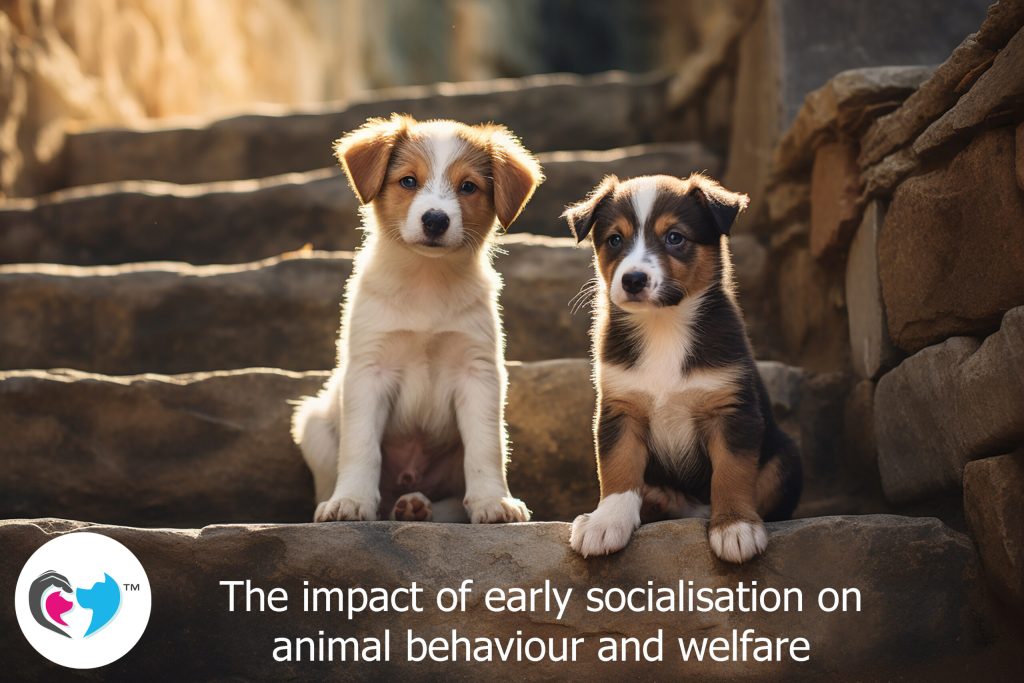
A significant aspect to consider when discussing the mental health of dogs and cats revolves around the concept of socialization as a multifaceted tool. Pets, much like humans, possess different personalities and temperaments, which can greatly influence their reactions to social situations. For instance, a naturally shy cat could thrive in an environment where it encounters other animals gradually, as opposed to an overwhelming introduction to an entire group at once.Moreover, the importance of early socialization cannot be overstated. Puppies and kittens are particularly receptive to new experiences within their first few months. This is a crucial period where they absorb social cues and learn acceptable behavioral norms, enhancing their ability to thrive in social settings. Engaging them during this formative phase can set the tone for balanced behavior as adults.The benefits reach beyond mental stability and social skills. Regular interaction with peers can alleviate boredom, a common issue leading to destructive behaviors. Activities involving play, exposure to other animals, and collaborative games can stimulate their minds and provide them with a sense of urgency and significance. For instance, enrichment activities such as agility courses or play dates with other pets can enhance not only their agility but also their happiness levels.In conclusion, socialization serves as a powerful agent in ensuring the overall well-being of our furry friends. Delving into structured play dates, group training sessions, or simply allowing interaction within a controlled environment can pave the way for healthier pets both mentally and physically.
Frequently Asked Questions About the Importance of Socialization in the Mental Health of Dogs and Cats
What is the role of socialization in the mental health of dogs and cats?
Socialization plays a crucial role in the mental well-being of pets, helping them adapt well to various environments, people, and other animals. When properly socialized, pets exhibit fewer behavioral issues, experience less stress, and develop a healthier relationship with their surroundings.
At what age should I start socializing my pet?
The ideal period for socializing pets is during their early developmental stages. For puppies, the critical window is between 3 and 14 weeks, while for kittens, it is between 2 and 7 weeks. Early experiences during these times can have a profound impact on their future behavior. However, it’s never too late to start—older pets can also benefit from socialization with a gradual and patient approach.
What are some effective ways to socialize my dog or cat?
To socialize your pet, expose them to a variety of stimuli in a positive and controlled manner. For dogs, this could include walks in diverse environments, meeting other dogs, or visiting pet-friendly stores. Cats may benefit from indoor interaction with different toys, people, and safe, controlled exploration outside. Remember, the key is consistency and positive reinforcement to encourage desired behaviors.
Can socialization help in preventing anxiety in pets?
Yes, adequately socialized pets are less likely to develop anxiety disorders. By familiarizing them with various stimuli early on, they become more adaptable to changes and stressors in their environment. This adaptation can lead to a more confident and relaxed pet, reducing the risk of anxiety-driven behaviors.
What signs indicate that my pet needs more socialization?
Indicators that your pet might require more socialization include extreme fearfulness, aggression, excessive barking or meowing, or withdrawal in new or social situations. Understanding these signs is pivotal, as it provides the opportunity to address potential issues early on through dedicated socialization practices, ensuring your pet’s healthier mental state.
Conclusion: Embracing Socialization for Pet Well-being
Understanding the significance of socialization in the mental health of dogs and cats highlights a key component of responsible pet ownership. Ensuring that pets are well-integrated within their environments not only bolsters their happiness but also enhances their overall health. Through this exploration, several important considerations have been brought to light.
First and foremost, the process of socialization begins at a young age. Early exposure to a variety of environments, people, and other animals plays a crucial role in shaping behavior and emotional resilience. Pets that undergo consistent and positive interactions tend to develop into well-adjusted companions, less prone to anxiety and aggression.
Moreover, socialization is not a one-time event but an ongoing journey. Regular and thoughtful interaction must extend throughout the pets’ lives. This includes engaging in diverse activities that stimulate physical and mental health, such as walks, playtime, and training sessions. For both dogs and cats, maintaining a stimulating environment helps to prevent stress-related behaviors.
Studies have supported the idea that socialization positively impacts not only the emotional health of pets but also their physical state. Calm, social pets often have lower incidences of health issues triggered by stress, such as digestive problems and immune system dysregulation.
Ultimately, recognizing and fostering the social needs of our pets can significantly improve the quality of life for these beloved members of our families. The relationship between humans and animals flourishes in environments where mutual understanding and respect are cultivated. As pet owners, committing to comprehensive socialization strategies can lead to a more harmonious coexistence and a stronger bond with our furry friends.
As we continue to explore the complex world of pet mental health, further research and education in the area of socialization remain essential. This endeavor not only benefits individual pets and their owners but also contributes to a greater understanding of animal welfare in society.