The Importance of Socialization in Dogs’ Mental Health

Understanding Canine Socialization
Dogs are inherently social creatures, thriving on interactions with other dogs and people. Socialization plays a vital role in their overall mental health, impacting their behavior, stress levels, and happiness. Without adequate social interaction, dogs may develop various behavioral issues and emotional challenges that not only affect their well-being but can also pose challenges for their owners.
Why Is Socialization Crucial?
The benefits of socializing dogs extend far beyond mere companionship. Here are some key reasons why it is essential:
- Reduces Anxiety: Socialized dogs are more comfortable in new environments and around unfamiliar people. For instance, a dog that has experienced various social settings is less likely to panic when taken to a busy park or introduced to new guests at home. They learn to interpret the actions of others, which helps to decrease their stress levels.
- Improves Behavior: Proper socialization helps prevent aggressive or fearful reactions in various situations. For example, a well-socialized dog may not react aggressively to another dog approaching them, as they have learned appropriate behaviors through positive experiences.
- Enhances Confidence: Exposure to different stimuli and experiences builds a dog’s self-assurance. A dog that has been socialized will be more adaptable and capable of facing new situations, which is crucial in preventing behavioral problems that arise from fear or insecurity.
What Constitutes Effective Socialization?
Socialization should begin early in a dog’s life, ideally when they are puppies, but it’s never too late to start. In fact, many trainers suggest that even adult dogs can benefit from structured socialization experiences. Effective socialization includes the following key elements:
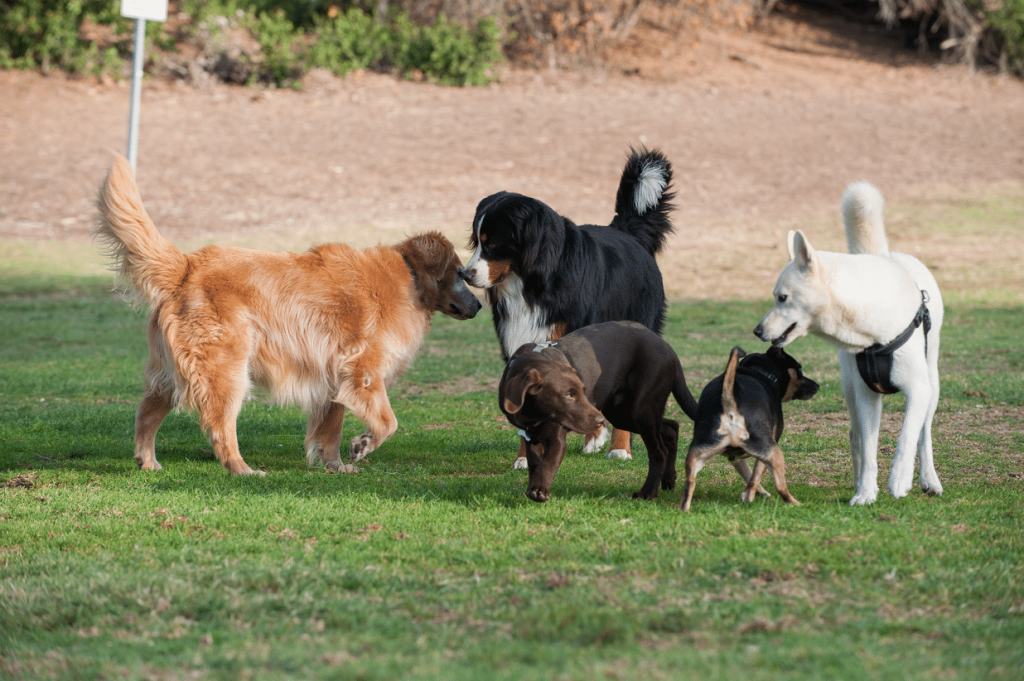
- Introducing them to other dogs and animals: Controlled playdates or visits to dog parks can facilitate this interaction, allowing dogs to learn important cues from their peers.
- Engaging with children and adults: Exposing dogs to people of different ages, sizes, and appearances helps them become well-rounded and less skittish in social situations.
- Exposing them to diverse environments, such as parks and busy streets: A trip to a farmer’s market or a street fair can introduce dogs to various noises, smells, and sights, helping them acclimate to bustling environments.
Understanding the significance of socialization can lead dog owners to create enriching environments that promote positive mental health. By investing time in their development, we can help our furry friends live happier and more balanced lives. Beyond enhancing their social skills, properly socialized dogs contribute positively to communities, fostering more harmonious interactions between people and animals. With the right approach, every dog can learn to navigate the world confidently and joyfully. Socialization not only enhances a dog’s quality of life but also strengthens the bond between dogs and their owners, paving the way for a truly fulfilling companionship.
DISCOVER MORE: Click here to learn about the importance of socialization for your pets
The Role of Socialization in Dog Behavior
Socialization is not merely a phase in a dog’s early life; it is a lifelong necessity that affects their behavior throughout their years. Just as humans benefit from interacting with various individuals and environments, dogs depend on social experiences to thrive mentally and emotionally. Without these experiences, dogs may struggle with fear, aggression, and anxiety, which can strain their relationship with their owners and hinder their happiness.
Link Between Socialization and Behavioral Issues
A lack of socialization can lead to numerous behavioral problems that may be challenging to manage. Dogs that are not properly exposed to different stimuli may react negatively when faced with new situations. For instance, a dog that has not been accustomed to loud noises may develop a fear of thunderstorms or fireworks, leading them to bark excessively, hide, or show signs of distress. Understanding this crucial link between socialization and behavior is essential for dog owners who want to cultivate a calm and well-adjusted pet.
Here are some behavioral issues that can arise from insufficient socialization:
- Fear-Based Reactions: Dogs that lack social exposure may develop irrational fears towards objects, noises, or situations they have never encountered. This can manifest as bolting, hiding, or aggressive behavior when they feel threatened.
- Separation Anxiety: Insufficient socialization may lead to dogs becoming overly attached to their owners, resulting in distress when left alone. This can produce destructive behaviors, such as chewing furniture or barking incessantly.
- Dog-on-Dog Aggression: Dogs that have not been socialized with their canine peers may not know how to interact appropriately, leading to issues such as growling or snapping during encounters with other dogs.
Positive Outcomes of Adequate Socialization
On the flip side, prioritizing socialization significantly enriches a dog’s life. Well-socialized dogs often exhibit a range of positive traits that make them pleasant companions and contribute to smoother interactions with people and other animals. Here are some notable benefits:
- Increased Adaptability: Dogs that are regularly exposed to various environments and experiences tend to be more adaptable. They can handle changes in their routine, such as travel, which makes for a more stress-free experience.
- Stronger Emotional Bond: Through social interaction, dogs can form stronger relationships with their owners. This bond is essential for emotional well-being and creates a foundation for trust and loyalty.
- Enhanced Learning Opportunities: A well-socialized dog is more open to learning new commands and skills. Their confidence in facing new experiences translates into a willingness to engage in training.
Incorporating socialization into a dog’s routine from an early age, or even later in life, can have profound impacts on their overall mental health. With a bit of effort and patience, dog owners can foster environments rich in social interaction that benefit both their pets and themselves.
The Importance of Socialization in Dogs’ Mental Health
Socialization plays a crucial role in shaping a dog’s behavior and overall mental well-being. From an early age, exposing dogs to various environments, people, and other animals can significantly influence their disposition. Properly socialized dogs tend to exhibit fewer behavioral issues and are less prone to anxiety and aggression. This foundational interaction aids in fostering a confident and adaptable pet, enhancing their ability to navigate the world safely.
Moreover, socialization not only benefits dogs; it helps owners too. Understanding a dog’s social needs allows owners to cultivate strong bonds and adapt their training methods, resulting in a mutually rewarding relationship. Through positive experiences during socialization, dogs learn vital life skills, such as trust, communication, and stress management.
In fact, studies show that dogs lacking social exposure may develop severe behavioral problems or depression. This further emphasizes the need for early and regular socialization opportunities. Engaging in group classes, dog parks, or organized dog activities are excellent ways to promote this essential interaction.
By recognizing the importance of socialization, pet owners can ensure their dogs lead fulfilling and balanced lives, free of unnecessary anxieties and stressors.
| Category | Benefits |
|---|---|
| Increased Confidence | Socialization builds a dog’s confidence by allowing them to encounter various stimuli without fear. |
| Reduced Anxiety | Dogs that are well-socialized often show lower levels of anxiety in new situations compared to their less socialized counterparts. |
Understanding that socialization is an ongoing process is key to maintaining a dog’s mental health. Continuous exposure to different scenarios ensures dogs remain well-adjusted throughout their lives. Without regular social interactions, even the most sociable of dogs could regress, demonstrating the importance of an active and enriched social life.
Additionally, incorporating training and social activities into a dog’s routine can help augment their mental stimulation, contributing further to their emotional health. Engaging with other dogs promotes not just fun but also crucial cognitive development, key to a dog’s happiness and behavior.
DISCOVER MORE: Click here to learn about the impact of pet adoption
Long-Term Benefits of Continuous Socialization
Socialization should be understood as a continuous journey rather than a one-time task. While the critical socialization window during a dog’s early months is essential, lifelong exposure to new experiences and interactions plays a vital role in maintaining their mental health. By actively engaging in regular socialization throughout a dog’s life, owners can greatly diminish the chances of behavioral issues while enhancing their companions’ overall quality of life.
Improved Confidence and Reduced Anxiety
A dog that is regularly socialized experiences an environment rich in variety, leading to increased confidence. Confidence is fundamental for a dog’s emotional health, as it enables them to navigate the world without fear or stress. For example, dogs that regularly interact with children, other pets, and various environments are more likely to exhibit calmness during stressful situations. Studies indicate that dogs exposed to different settings are less prone to developing anxiety disorders, including noise aversion and separation anxiety.
The Role of Play in Socialization
Play is an essential aspect of socialization that helps dogs learn how to communicate effectively with their peers. Engaging in play sessions with other dogs teaches critical social cues, such as bite inhibition and appropriate behavior during encounters. Dog parks and socialization classes provide excellent opportunities for pets to explore these interactions. Importantly, this form of socialization not only fosters positive behavior in dogs but also contributes to happier and healthier mental states.
The Impact of Group Classes and Events
Participation in structured group classes, such as obedience training or agility trials, offers valuable social interaction opportunities for dogs. These environments allow dogs to engage with both humans and other dogs at various skill levels and personalities. Through such classes, dogs learn to focus and respond to their owners despite surrounding distractions. Moreover, attending dog-related events like community festivals enriches their experiences, exposing them to crowds, new sounds, and even different scents—factors that can help build resilience against anxiety and stress.
The Human Element in Dog Socialization
Another aspect often overlooked is the role of human interaction in a dog’s overall socialization. Different people bring various energy levels and handling styles, which can affect how dogs react in social settings. Understanding and respecting a dog’s boundaries during interactions with unfamiliar people will not only enhance their social skills but also ensure that they feel secure and valued. This ongoing connection between humans and dogs can act as a stabilizing influence on a dog’s emotional wellbeing.
Addressing Difficult Behaviors Post-Socialization
While socialization is crucial in preventing behavioral issues, it can also assist in managing established problems. Dogs that have learned to express themselves through proper social interactions can often modify their reactions when confronted with stressors. For example, employing desensitization techniques in a controlled social setting can help dogs overcome specific fears or problematic behaviors, such as barking or lunging upon meeting unfamiliar dogs or people. This proactive approach ensures that owners can help their dogs navigate the complexities of different social situations.
Ultimately, the emphasis on active and continuous socialization holds profound implications for a dog’s emotional health. As knowledgeable dog owners further delve into the merits of socialization, they can create a nurturing environment that bolsters their pet’s mental wellbeing and nurtures a deep, lasting bond.
DISCOVER MORE: Click here for essential dog nutrition tips
Conclusion: Nurturing the Canine Mind Through Socialization
The journey of socialization is crucial in fostering optimal mental health for dogs, extending far beyond their formative months. An ongoing commitment to exposing our furry companions to diverse experiences, social settings, and interactions is essential in crafting resilient, confident, and well-adjusted pets. As highlighted, regular socialization plays a vital role in preventing anxiety and encouraging healthy behaviors, ensuring that our dogs can navigate various environments with ease.
Moreover, the significance of play in socialization cannot be understated, offering a fundamental foundation for communication and learning among canine peers. By facilitating both structured classes and casual play, owners can nurture their dogs’ social skills while bolstering their overall happiness. Additionally, the human element in these interactions enriches their experiences, providing the emotional support that helps maintain a strong bond.
Perhaps more importantly, continuous socialization empowers dog owners to address any behavioral issues effectively, creating a pathway to healing and growth. By understanding how socialization influences a dog’s reactions and emotional state, we can take proactive steps to alleviate problem behaviors and foster healthier adjustments to their surroundings.
Ultimately, dog owners hold the key to their pets’ mental well-being through active participation in the socialization process. Embracing this responsibility shapes not only the lives of our dogs but also enriches our human-animal bond, paving the way for a harmonious coexistence.