The Importance of Socialization in the Emotional Health of Pets: How Positive Interactions Can Improve Well-Being

Understanding the Link Between Socialization and Pet Well-Being
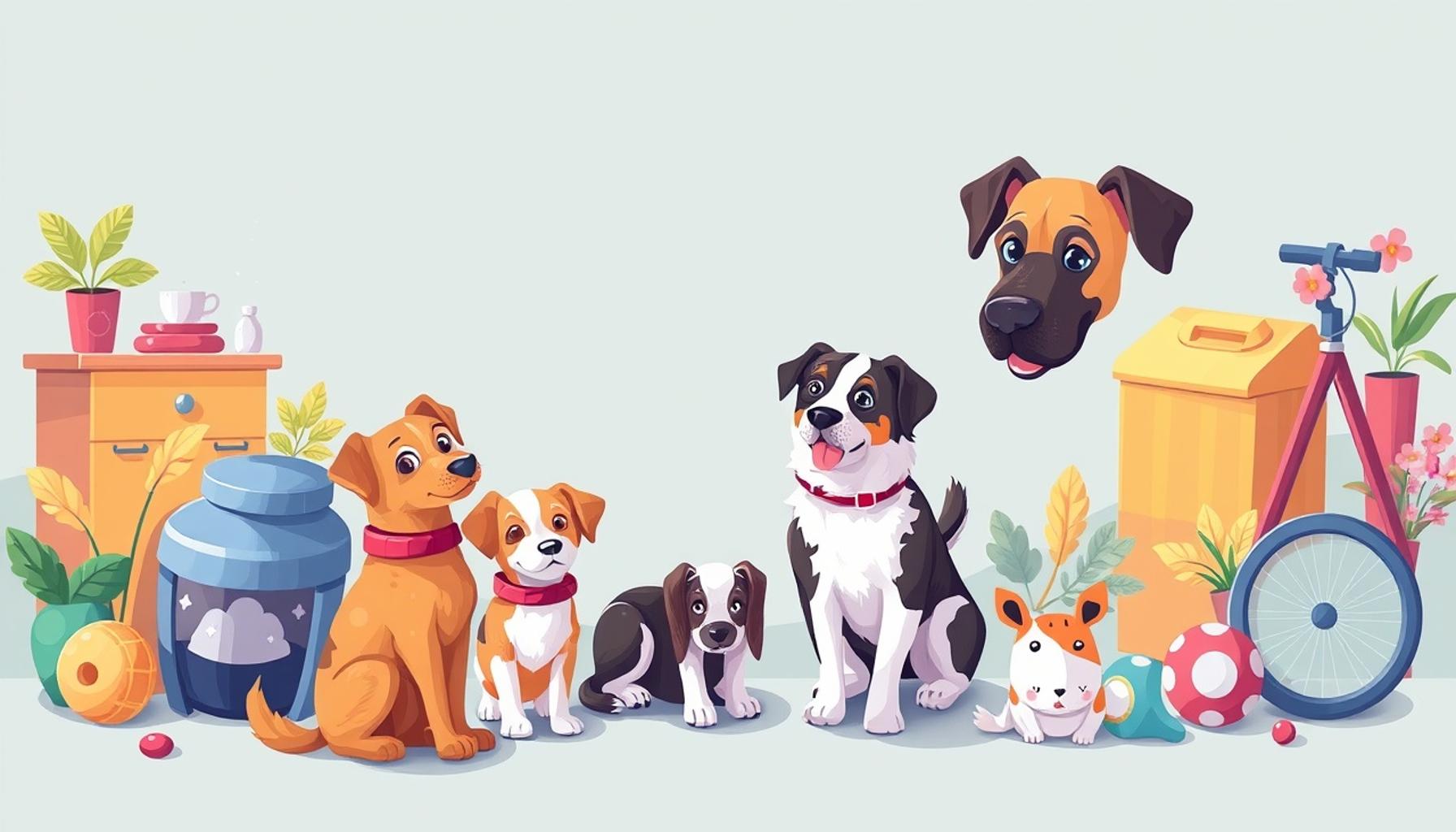
Understanding the emotional well-being of our pets often starts with one crucial element: socialization. Just like humans, pets thrive on interactions and relationships. Engaging with other animals and people provides them not only with companionship but also a sense of security. The importance of socialization extends beyond mere play; it is a foundational element of a pet’s emotional and psychological health.
Consider these important aspects of socialization:
- Enhanced Behavior: Well-socialized pets often exhibit fewer behavioral issues. For example, dogs that regularly interact with other dogs during playdates may show improved leash manners and reduced aggression. This is contrasted with pets that lack social experiences, who may develop anxious behaviors or act out due to unfamiliarity with new environments.
- Reduced Anxiety: Positive interactions help alleviate stress and fear in various environments. A puppy taken to a local dog park will learn how to react to different sounds, sights, and smells. This exposure can significantly reduce the anxiety they might experience in other places, like during vet visits or when meeting new people.
- Healthier Bonds: Pets that interact well with others are more likely to form strong bonds with their human families. A cat that has spent time around other cats tends to be more affectionate and less territorial, while a dog that engages with various people can develop better trust and loyalty towards its owner.
Moreover, socialization leads to substantial improvements in a pet’s quality of life. It fosters a sense of community and belongingness, enriching their daily experiences and enabling them to adapt to new situations with ease. In essence, a well-socialized pet is likely to be a happy pet, enjoying a diverse range of experiences without fear or hesitation.
In the United States, pet ownership continues to rise, making it crucial for pet owners to prioritize socialization efforts. According to the American Pet Products Association, about 70% of U.S. households own a pet, highlighting the enormous responsibility owners have. From dog parks to organized playdates and training classes, the opportunities for positive interactions are abundant. Additionally, many communities offer pet-friendly events, such as pet expos or local festivals, which help facilitate socialization.
Dedicating time and effort to socialize pets is an investment in their happiness and health. Studies have shown that well-socialized pets are often better adjusted, healthier, and less prone to behavioral issues. Expanding social horizons can be as simple as visiting a neighbor with a friendly dog or arranging play sessions with other animals. Delving deeper into these aspects will reveal how such engagements contribute to our pets’ overall well-being.

Benefits of Socialization for Pets
The importance of socialization in promoting the emotional health of pets cannot be overstated. Providing opportunities for positive interactions fosters not only harmonious behavior but also a more enriching life experience for our furry companions. Below are several key benefits associated with effective socialization:
- Development of Crucial Skills: Socializing pets at an early age equips them with vital skills necessary for navigating their surroundings. For example, puppies exposed to various people, animals, and environments will develop a better understanding of their social cues. This capability makes it easier for them to recognize boundaries and respond appropriately in different situations, which can prevent unwanted confrontations with other pets or humans.
- Improved Emotional Resilience: Pets that experience a range of social interactions develop increased emotional resilience. For instance, a kitten that interacts with different pets will likely adjust more easily to being handled or moved to a new home. Such adaptability fosters confident behavior and lowers the likelihood of fear-based reactions in daunting scenarios, like loud noises or unfamiliar spaces.
- Enhanced Cognitive Abilities: Multiple studies indicate that social interaction stimulates cognitive function in pets. Engaging in play and exploring new environments promotes mental agility and can even contribute to longer, healthier lifespans. A dog that participates in agility training or obedience classes, for instance, not only strengthens its bond with its owner but also exercises its mind, showcasing the full spectrum of benefits.
Furthermore, socialized pets tend to be more content and exhibit fewer health-related anxiety issues. The overall enhancement in their well-being is evident as they become more at ease around new experiences and interactions. Such favorable conditions can decrease the incidence of stress-driven health problems, such as gastrointestinal disorders or decreased immune function—a common concern in pets suffering from chronic anxiety.
On the other hand, animals deprived of socialization often face significant psychological burdens. A lack of positive interactions can lead to behavioral problems such as aggression, excessive barking, and low confidence levels. Many owners unwittingly perpetuate this cycle, breeding a sense of isolation that only exacerbates their pet’s emotional struggles. Engaging in social activities—whether through organized dog play dates or cat meet-ups—can break this cycle and introduce a wealth of new experiences that are crucial for their emotional health.
As pet owners, recognizing these benefits lays the groundwork for proactive involvement in our pets’ social development. By being attentive to their needs and facilitating opportunities for positive interactions, we can champion their emotional health and, therefore, enhance their overall quality of life. Taking the time to understand the significant link between socialization and emotional well-being is fundamental for ensuring our pets lead happy and fulfilling lives.
When discussing the importance of socialization in the emotional health of pets, it becomes crucial to recognize several key aspects that influence their overall well-being. Pets, much like humans, thrive on connections and interactions with their environment and fellow beings. Positive social experiences can significantly enhance their emotional stability and behavior.
Firstly, socialization reduces anxiety and fear. Pets that are exposed to various people, places, and situations are less likely to develop phobias. For example, a dog that regularly meets other dogs and interacts with diverse individuals is more adaptable and less fearful of unfamiliar environments. This gradual exposure fosters confidence, allowing them to explore and enjoy life more fully.
Furthermore, interacting with other animals and humans promotes physical health. Positive interactions encourage play, which not only helps in exercising but also in training essential social skills. Engaging in playful behavior can improve physical well-being, reducing obesity and related health problems. Thus, socialization serves a dual purpose—enhancing both emotional and physical health.
Moreover, socialized pets are often better at coping with stress. They have reliable coping mechanisms accustomed to various social scenarios, from visiting the vet to traveling. This adaptability leads to a calmer demeanor during potentially stressful situations.
Ultimately, investing time in the socialization of your pet can lead to long-term fulfillment and happiness. Interestingly, studies have shown that pets who engage in regular social interaction with other animals and humans often exhibit a lower prevalence of behavioral issues and a higher quality of life.
| Advantages | Description |
|---|---|
| Reduced Anxiety | Pets become more confident and less fearful of new situations through consistent exposure. |
| Enhanced Physical Health | Encourages play and exercise, leading to better weight management and overall fitness. |
In conclusion, the emotional health of pets significantly benefits from sustained social interactions. By prioritizing socialization, pet owners can ensure happier, healthier lives for their companions. Understanding and implementing effective socialization practices can create harmonious relationships between pets and their environments.
Understanding the Dynamics of Pet Socialization
Socialization is not merely about exposing pets to other animals and people; it encompasses a broad range of experiences and interactions that shape a pet’s emotional well-being. The dynamics of socialization play a crucial role in enhancing a pet’s quality of life, contributing significantly to their emotional health. To further explore this concept, we must delve into the various forms of socialization that can enrich our pets’ lives.
Varied Social Experiences
A diverse array of social experiences is critical for pets, as it allows them to encounter different stimuli and enrich their understanding of the world around them. For instance, introducing a puppy to various environments—such as bustling parks, quiet neighborhoods, or pet-friendly stores—encourages adaptable behavior and decreases anxiety in unfamiliar settings. A study by the American Veterinary Medical Association found that dogs exposed to varied social situations are less likely to develop fear-based behaviors as they mature.
Additionally, interactions with other pets should be managed expertly. Utilizing supervised playgroups can create a safe environment for pets to engage and build camaraderie. Small dog parks or organized pet meet-ups provide opportunities for pets to establish social structures and practice essential social skills. Through these experiences, pets not only learn to interact positively with others but also navigate hierarchy and play etiquette, further enhancing their emotional development.
The Role of Positive Reinforcement
Positive reinforcement plays a crucial role in the process of socialization. When pets receive rewards for engaging positively with others, they form positive associations with social interactions. This can be achieved through treats, verbal praise, or playtime following successful encounters. For example, a dog that receives praise for behaving well while meeting other dogs at the park is more likely to approach future interactions with excitement rather than caution.
Such reinforcement is essential in developing a pet’s confidence. A confident pet is typically more adaptable, which correlates with higher emotional resilience. Understanding how to use positive reinforcement can significantly improve the socialization process. Educational resources are abundant; many pet trainers and animal behaviorists offer workshops and online classes aimed at empowering pet owners with techniques to facilitate successful social engagements.
The Impact of Technology
In recent years, technology has also contributed to expanding social opportunities for pets. From pet social media groups to apps designed to connect pet owners for playdates, technology encourages community-building among pet owners. These platforms allow for exchanging advice, experiences, and arranging social outings, broadening pets’ experiences while fostering relationships between their owners.
Moreover, virtual pet training classes can help owners ensure their pets are well-socialized. With an abundance of online resources, owners can learn the latest techniques in behavior modification and socialization strategies in the comfort of their own homes. Such initiatives not only benefit pets but also help create a knowledgeable community of pet owners dedicated to improving their animals’ emotional health.
Ultimately, ensuring that our pets are well-socialized requires a varied approach involving community engagement, structured training, and ongoing education. Each positive interaction contributes to a happier, healthier pet, underscoring the profound connection between socialization and emotional well-being. By prioritizing these aspects, pet owners can be instrumental in nurturing their companions’ mental and emotional strength.
Conclusion: Fostering Emotional Health Through Socialization
In conclusion, the significance of socialization in enhancing the emotional health of pets cannot be overstated. Through positive interactions with both humans and other animals, pets develop critical coping mechanisms and emotional resilience that greatly improve their overall well-being. As we have seen, exposure to diverse social experiences, such as engaging in playgroups or experiencing new environments, not only fosters adaptability but also helps prevent the emergence of fear-based behaviors.
Moreover, techniques such as positive reinforcement elevate these interactions, making them enjoyable and rewarding for pets. This nurturing approach builds a solid foundation of confidence that translates into a more resilient and less anxious companion. Technological advancements further enhance these opportunities by connecting pet owners and fostering community engagement, ensuring that socialization remains a dynamic and accessible facet of pet care.
Ultimately, pet owners hold the key to their furry companions’ emotional health. By prioritizing social activities, educating themselves on effective training techniques, and utilizing platforms that promote interaction, they contribute to creating a community of well-adapted, emotionally balanced pets. As we recognize the profound link between socialization and emotional well-being, let us commit to offering our pets an enriched environment to thrive in, ensuring they lead a happier, healthier life.