The influence of animal-assisted therapy on the emotional well-being of humans and pets
Understanding Animal-Assisted Therapy and Its Benefits
In recent years, the role of animals in therapeutic settings has gained significant attention. An increasing number of studies reveal how animal-assisted therapy (AAT) can positively impact the emotional health of both humans and their pets. This unique form of therapy harnesses the innate bond between humans and animals to foster healing and well-being. The therapeutic use of animals in settings such as hospitals, schools, and mental health clinics highlights their valuable role in emotional healing processes.
Key Aspects of Animal-Assisted Therapy
What makes AAT so compelling? Consider these key aspects:
- Empathy and connection: Animals can provide unconditional love and support, helping humans feel less isolated. For instance, therapy dogs are known to assist children with autism, who may struggle with social interactions. The presence of a gentle, non-judgmental dog can make it easier for these children to express themselves and engage with others.
- Stress reduction: Interacting with animals has been shown to lower levels of cortisol, the stress hormone. Engaging with a pet or participating in AAT can provide a calming effect, allowing individuals to relax in stressful situations. A study noted that just fifteen minutes of petting a dog could significantly reduce stress levels.
- Emotional support for pets: AAT isn’t just for humans; the pets involved in therapy can also experience reduced anxiety and depression. When these animals are given purpose through their participation in therapy sessions, they often exhibit improved behavior and emotional stability.
The Positive Outcomes of AAT
The results are promising. Research indicates that participants in AAT programs frequently report:
- Improved mood: Many individuals experience a lift in spirits during and after sessions with therapy animals. For example, veterans dealing with PTSD have reported feeling more at peace and less anxious after spending time with trained therapy dogs.
- Enhanced communication skills: AAT can help break down barriers in expressing emotions, particularly in children and those with developmental disorders. Interactions with animals can create a safe space for these individuals to practice verbalizing their thoughts and feelings without fear of judgment.
- Strengthened human-animal bond: The shared experience enhances the relationship between pet owners and their animals. This relationship can lead to a deeper understanding of one another’s needs, creating a satisfying dynamic that benefits both parties.
Looking Ahead
As we delve deeper into this fascinating intersection of psychology and veterinary care, we will uncover how animal-assisted therapy is reshaping emotional well-being in ways that could transform lives. The application of AAT is expanding beyond traditional settings, with innovative programs emerging in schools and workplaces. This exploration into the influence of animals on mental health not only highlights the potential for healing but also encourages a broader societal acknowledgment of the well-being of both humans and their animal companions.
The Transformative Effects of Animal-Assisted Therapy
As we explore the landscape of animal-assisted therapy (AAT), it becomes clear that its impact goes beyond simple companionship. This innovative approach to therapy plays a pivotal role in enhancing emotional well-being, primarily through the profound connections between humans and their animal counterparts. Research and clinical experiences consistently demonstrate that AAT can lead to significant emotional improvements for both humans and animals involved in these therapeutic interactions.
Bonding Through Interaction
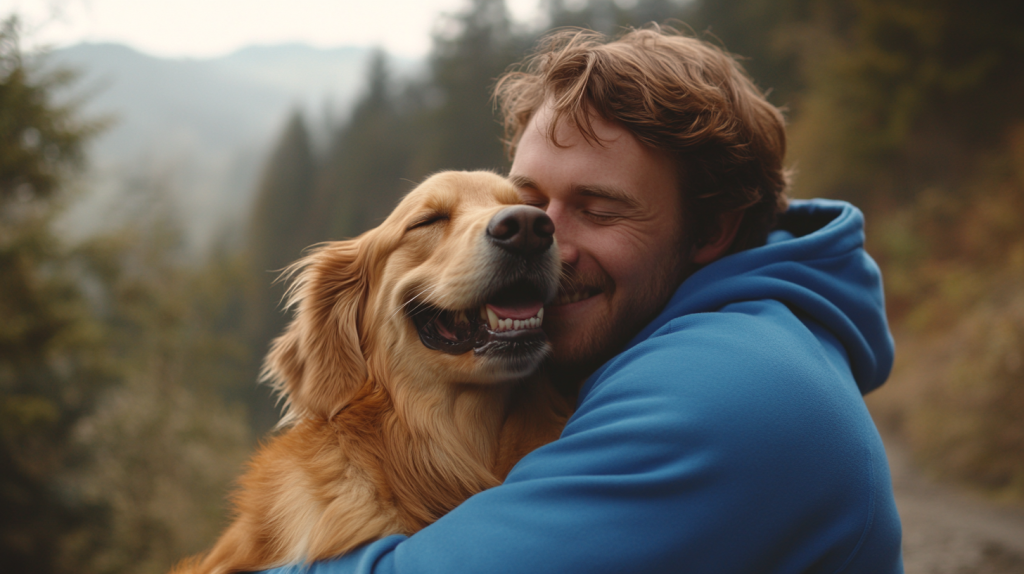
The heart of AAT lies in the unique bond formed between humans and animals. This connection acts as a catalyst for emotional healing. For example, individuals in nursing homes often experience increased joy and reduced feelings of loneliness following visits from therapy animals. The warmth and affection provided by these animals remind residents of their own pets or evoke memories of happier times, providing emotional comfort during difficult periods in their lives.
Moreover, the presence of an animal can facilitate social interactions among those who may typically be withdrawn. In schools, therapy animals often help children develop friendships by sparking discussions about their furry companions, which may otherwise be challenging for some to initiate.
Therapeutic Techniques Involving AAT
AAT employs various therapeutic techniques that harness the emotional power of animals to promote healing. Here are several key techniques utilized in AAT:
- Structured interactions: Sessions are often designed around specific goals, such as improving communication skills or building self-esteem. Participants might engage in activities like grooming a therapy dog, which not only fosters a bond but also promotes a sense of accomplishment.
- Mindfulness practices: Many AAT programs incorporate mindfulness techniques, where individuals are encouraged to focus on their sensory experiences with the animal. This practice can help reduce anxiety and encourage a state of calmness, benefiting both the human and the pet involved.
- Psychoeducation: Educating individuals about animal behavior and communication can lead to improved relationships with their own pets. This knowledge allows pet owners to understand their animal companion’s needs and emotions, fostering a deeper bond that can enhance emotional stability for both parties.
The evidence supporting the benefits of AAT extends beyond anecdotal success stories. Studies have shown that patients engaged in AAT exhibit reduced symptoms of anxiety and depression. These findings highlight the vital role that animals play not only in human well-being but also in their emotional health. For instance, therapy pets often experience a reduction in stress levels while providing comfort to their human counterparts, reinforcing the positive feedback loop of emotional support.
The Path Forward
As research continues to evolve, the future of AAT looks promising. The growing recognition of AAT as a legitimate therapeutic practice is paving the way for broader implementations, including work environments where therapy animals can assist employees facing stress-related challenges. By further understanding and embracing the influence of animal-assisted therapy on emotional well-being, we stand to revolutionize the way we approach mental health for both humans and their beloved pets.
| Benefits for Humans | Benefits for Pets |
|---|---|
| Improved Mental Health: Animal-assisted therapy has been shown to significantly reduce symptoms of anxiety and depression in humans. | Enhanced Mood: Pets involved in therapy often exhibit increased joy and reduced stress levels. |
| Social Interaction: Therapy participants tend to engage more with others, promoting a sense of community. | Health Benefits: Regular interaction with humans can lead to a healthier lifestyle for pets, including better exercise and socialization. |
Animal-assisted therapy not only enhances the emotional well-being of humans but also offers remarkable benefits to pets. Studies reveal that engaging with animals encourages individuals to express their feelings more freely. In turn, this can lead to noticeable improvements in mental health by fostering a sense of connection and support that resonates deeply within individuals struggling with emotional challenges.For pets, participation in therapy sessions can translate into healthier behaviors. Dogs and other animals often demonstrate increased sensitivity towards human emotions, making them a vital part of this therapeutic process. As pets bond with people during these sessions, they experience heightened affection and attention, contributing to their overall well-being. The reciprocal nature of these relationships boosts happiness for both parties involved, creating a unique environment for emotional healing. The multifaceted advantages of animal-assisted therapy highlight its importance in contemporary therapeutic practices, paving the way for further exploration in the field.
Expanding the Scope of Animal-Assisted Therapy
The realm of animal-assisted therapy (AAT) is continually expanding, showcasing a diverse range of applications that illustrate its profound impact on emotional well-being. As the field grows, professionals are beginning to uncover how various types of animals and unique therapeutic environments can enhance the efficacy of AAT.
Diverse Animal Involvement
While dogs are often the first animals associated with AAT, other species are gaining recognition for their therapeutic benefits. For example, horses are increasingly being utilized in equine-assisted therapy, which has shown remarkable success in aiding individuals with autism, trauma, and emotional dysregulation. The intuitive nature of horses allows clients to develop empathy and emotional awareness, contributing to their therapeutic journey. Similarly, cats and rabbits are being included in therapy sessions, providing calming effects that help individuals manage stress and anxiety.
Furthermore, the use of miniature therapy animals is emerging. These compact companions can easily adapt to various settings such as hospitals, homes, and classrooms, making AAT more accessible to those who benefit from animal interaction but may not be able to handle larger animals. By broadening the types of animals involved, the therapeutic approach can cater to a wider demographic, fostering emotional wellness for an even broader range of individuals.
Settings that Amplify Benefits
The environment in which AAT is conducted also plays a crucial role in its effectiveness. Traditional clinical settings are now being complemented with alternative spaces that promote comfort and tranquility. For example, community gardens, where therapy animals can roam freely, encourage interaction in a natural setting, leading to enhanced emotional benefits. This approach is particularly relevant for populations dealing with anxiety and PTSD, where conventional clinical environments may evoke discomfort and trigger stress.
In addition, the implementation of AAT programs in schools has proven especially impactful. In places where bullying or learning challenges persist, therapy animals provide an emotional anchor for students, helping them connect with peers in a supportive environment. By offering a medium through which children can express their feelings, therapy animals help build resilience and self-worth among young learners.
Measurable Outcomes in Research
The growing body of research surrounding AAT continues to provide quantitative evidence of its benefits. Studies indicate that participants engaged in AAT show marked improvements in mood, self-esteem, and stress levels. A recent study published in a leading psychological journal found that individuals participating in AAT experienced a reduction of over 30% in anxiety levels over a four-week program. Such findings reinforce the argument for integrating AAT into standard therapeutic practices, rather than merely treating it as an adjunct.
Moreover, the positive influence of AAT is not limited to human participants. Animals involved in these programs also experience emotional benefits, including reduced stress and improved behavior. The reciprocal nature of these relationships highlights the importance of animal welfare and ethical guidelines, ensuring that the emotional well-being of both humans and animals is prioritized.
As AAT continues to evolve and gain recognition, its potential to transform emotional health for both humans and pets becomes increasingly evident. By embracing innovative practices and expanding the scope of animal involvement, the future of AAT promises exciting advancements that can further enrich lives, enhance emotional well-being, and strengthen the bonds between species.
Conclusion
The exploration of animal-assisted therapy (AAT) reveals a compelling narrative about the deep-seated connections shared between humans and animals that significantly enhance emotional well-being. As professionals and researchers delve deeper into this captivating field, it becomes increasingly evident that the benefits of AAT extend far beyond simple companionship. The diverse array of animals available for therapeutic roles, from horses to miniature pets, showcases the adaptability of AAT to various settings and individual needs, illustrating its capacity to address emotional challenges across a wide demographic.
Moreover, the integration of therapy animals in alternative environments, like community gardens and schools, further amplifies the therapeutic effects of AAT. Providing a nurturing space fosters a sense of calm and connection, allowing clients to engage with their emotions more freely. The ongoing research backing the measurable outcomes associated with AAT—such as significant reductions in anxiety and marked improvements in self-esteem—serves as a powerful argument for its inclusion in standard therapeutic practices.
Equally important is the recognition of the emotional welfare of the animals involved in these therapies. The two-way relationship enhances not only human well-being but also supports the behavior and health of therapy animals. It is clear that AAT represents a paradigm shift in how we understand therapy, promoting a model centered on compassion, connection, and mutual growth.
As interest in this field continues to grow, exploring innovative ways to implement AAT will likely yield even greater advancements in mental health treatment. The profound impact of animal-assisted therapy stands as a testament to the power of connection—between species, and within ourselves—leading to richer, fuller lives for both humans and their furry companions.