The Role of Animal Welfare Organizations in Pet Care Education: Initiatives and Community Impact

The Role of Animal Welfare Organizations in Society
Animal welfare organizations act as essential pillars in promoting responsible pet ownership and fostering a culture of compassion toward all animals. Their efforts go well beyond mere awareness; they aim for a broader transformation in how society views and cares for pets. Through education and advocacy, these groups empower pet owners with the knowledge and resources necessary for ensuring the well-being of their animals.
One key aspect of their outreach involves workshops and seminars focused on pet training and behavior. For instance, organizations such as the ASPCA and the Humane Society host events that address common behavioral issues, teaching pet owners effective communication techniques and positive reinforcement strategies. These sessions not only help reduce instances of pet abandonment or surrender but also improve the bond between pets and their families, making the experience of pet ownership more rewarding and enriching.
Community outreach programs are another vital initiative undertaken by animal welfare organizations. These programs often include free or low-cost vaccination clinics, nutritional counseling, and consultations with veterinarians. By providing resources tailored to local communities, these organizations help ensure that pets receive basic healthcare and proper nutrition. For example, the Food Animal Initiative works with local pet owners to educate them about affordable pet food options and the importance of regular veterinary visits, thereby improving the overall health of pets while reducing unnecessary suffering.
Additionally, pet adoption events are instrumental in promoting animal welfare. These events often feature heartwarming stories of rescued animals, showcasing the joys and benefits of adopting rather than buying pets. Many organizations partner with local businesses and community centers to create family-friendly environments where potential adopters can meet animals in need of homes. Such events not only facilitate the placement of animals into loving homes but also raise awareness about the plight of homeless animals, driving home the message that adoption can save lives.
The cumulative influence of these initiatives is significant. They contribute to a more informed community that prioritizes animal welfare, fostering empathy and a sense of responsibility among pet owners. As pet ownership surges across the United States—with more than 70% of households now owning at least one pet—the role of these organizations becomes increasingly vital. They serve as guides in navigating the complexities of pet care, offering crucial support to new owners and ensuring that pets lead healthy and fulfilling lives.
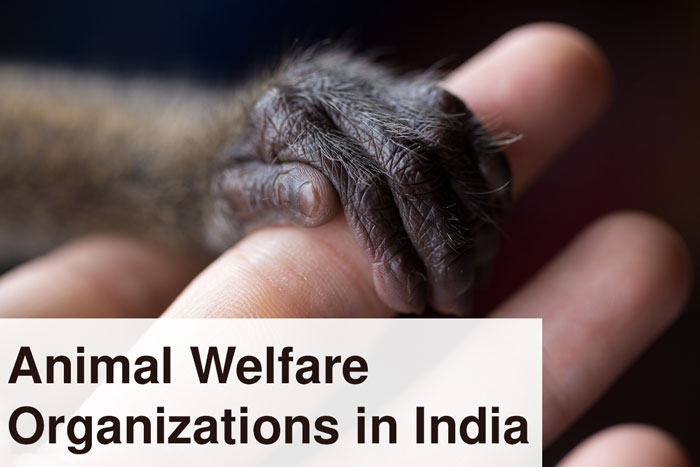
This article highlights the transformative power of animal welfare organizations in shaping public perception and practices surrounding pet ownership. Through their comprehensive programs and thoughtful outreach efforts, these organizations not only improve animal welfare but also enhance the quality of life for both pets and their owners, fostering a more humane and understanding society.
DISCOVER MORE: Click here to learn about clicker training
Educational Programs and Their Community Reach
Animal welfare organizations have increasingly taken on the responsibility of educating the community about effective and compassionate pet care. These educational programs are frequently designed to address gaps in knowledge and understanding, ensuring that pet owners are well-equipped to care for their furry companions. From training courses to informational campaigns, these initiatives aim to reduce misinformation and empower individuals to foster a more humane society.
One vital component of these education initiatives includes online resources, which have become a major asset in reaching wider audiences. Organizations like the American Humane Society and Best Friends Animal Society provide comprehensive guides on various aspects of pet care, covering topics such as nutrition, exercise, grooming, and health issues. With accessible content that can be easily shared and engaged with, these resources cater to a diverse audience, ensuring that essential information is readily available.
Moreover, in-person educational sessions create opportunities for personal interaction and hands-on learning. Workshops often include the following subjects:
- Basic Training Techniques: Teaching owners how to communicate effectively with their pets.
- Behavioral Understanding: Informing owners about common behavioral issues and their solutions.
- Health and Wellness: Offering advice on nutrition and preventive healthcare.
- Emergency Preparedness: Training pet owners on how to handle emergencies and natural disasters.
These workshops serve as an outlet for pet owners to engage with experts and ask critical questions that direct impact their pet’s health. As a result, participants leave with practical knowledge and skills that can immediately apply to their home environments.
Coupled with these educational efforts, many animal welfare organizations initiate advocacy campaigns that aim to influence public policies affecting animal care. These campaigns strive to communicate vital issues such as the need for spaying and neutering, responsible breeding practices, and the importance of adopting pets from shelters rather than purchasing them from breeders. By actively participating in legislative processes, these organizations not only advocate for better policies but also educate the public about their implications on community welfare and animal protection.
In addition to education and advocacy, organizations often engage in community service initiatives that further contribute to their mission. Such initiatives may include:
- Collaboration with schools for pet education programs.
- Partnerships with local businesses that promote animal welfare through fundraisers.
- Volunteer opportunities for community members to assist in animal care and outreach.
These efforts create a ripple effect, reinforcing the importance of community involvement in animal welfare education. As more individuals participate, the collective knowledge and compassion for animal care expand within society. This ensures that as responsible pet ownership becomes better understood, the rates of neglect and abandonment can decline.
Clearly, the work of animal welfare organizations in educational initiatives plays a crucial role in shaping a community where animals are treated with respect and care. Their comprehensive approach not only informs individual pet owners but fosters a culture of awareness that ultimately benefits all animals.
The Vital Contributions of Animal Welfare Organizations
In the realm of animal care, the influence of animal welfare organizations extends far beyond mere advocacy. These organizations act as bridges, connecting communities with vital resources and knowledge essential for responsible pet ownership. Through educational initiatives, they aim to foster a culture of empathy and stewardship toward animals, which is instrumental in promoting animal welfare.One significant aspect of their role is conducting workshops and outreach programs that cover various topics, ranging from basic pet care to more complex issues such as behavioral training and health management. For example, organizations like the ASPCA and local shelters often host seminars that teach pet owners about the importance of spaying and neutering, proper nutrition, and the significance of regular veterinary check-ups. These initiatives not only empower pet owners to take better care of their animals but also play a crucial role in mitigating issues such as overpopulation and neglect.Moreover, these organizations have embraced technology to widen their reach and impact. Online courses and webinars have become prevalent, allowing individuals to access quality education from the comfort of their homes. This digital approach has proven particularly effective during times when in-person gatherings are limited, ensuring that education continues to flow despite potential barriers.The community impact of these educational efforts is manifold. By enhancing awareness about animal welfare, organizations are not only improving the standards of care that pets receive but also nurturing a more compassionate society. Communities that are educated about responsible pet ownership often see a decline in issues such as stray populations and animal cruelty, contributing to safer environments for both pets and their humans.Additionally, partnerships with schools and youth programs further amplify the message of responsible pet care. Integrating animal welfare education into school curricula can inspire a new generation of animal advocates, fostering respect and compassion for all living beings at an early age.As we explore the initiatives spearheaded by animal welfare organizations, it’s essential to recognize that their work is critical not just for improving the lives of pets but also for enriching communities as a whole. By investing in education and outreach, they cultivate a ripple effect that positively influences society’s overall relationship with animals.
DISCOVER MORE: Click here to learn about how our pets’ diet impacts their well-being
Success Stories and Measurable Impact
Beyond educational programs and advocacy, the tangible impact of animal welfare organizations can be seen through various success stories that highlight their effectiveness in promoting responsible pet care. By leveraging community partnerships and feedback from participants, these organizations measure their initiatives’ success and continuously adapt to meet the evolving needs of pet owners.
A compelling example is the Pet Adoption and Education Program launched by the Humane Society of Broward County in Florida. This initiative not only facilitates the adoption of pets but also includes mandatory educational sessions for new pet owners. These sessions cover an array of topics, such as understanding the pet’s needs, training protocols, and how to recognize signs of distress. Since its implementation, hundreds of adopters have reported increased confidence in caring for their pets, leading to a significant drop in post-adoption return rates, which is a common concern for shelters nationwide.
Furthermore, local educational outreach aimed at schools demonstrates another successful avenue for community engagement. Programs such as Teaching Kids Compassion by the Animal Rescue League of Boston not only introduce children to the principles of pet care but also instill empathy towards animals at a young age. By integrating interactive sessions featuring hands-on experiences with animals, children can formulate a loving bond and understanding toward their responsibilities as future pet owners. Reports indicate that such educational efforts help foster a generation that is more aware of animal welfare issues, which is likely to impact community attitudes positively.
The integration of technology in education initiatives has also enhanced the reach and efficacy of programs. For instance, social media campaigns featuring short informative videos and infographics have gained considerable traction. These campaigns often highlight urgent topics such as the importance of vaccination, flea control, and spaying/neutering. Communities engaging with this content have shown increased compliance with veterinary recommendations. Data collected by local animal welfare groups point towards a notable rise in spaying and neutering rates in areas actively involved in prevention campaigns, demonstrating an improved understanding and commitment to proactive pet ownership.
Another significant aspect of the role of animal welfare organizations in pet care education is their collaboration with veterinary professionals. Through educational partnerships, organizations can facilitate access to veterinary services for low-income families, which not only educates owners about proper pet health care but also minimizes barriers to necessary services. Initiatives like the Veterinary Care Access Coalition have helped thousands of families secure vaccinations and preventive care, significantly reducing the prevalence of diseases that could otherwise contribute to community health crises.
Additionally, the emphasis on community engagement is confirmed by the increasing number of volunteer programs offered by these organizations. In many metropolitan areas, volunteers assisting with community education efforts have become instrumental in spreading knowledge and compassion. For example, the California Animal Welfare Association has successfully launched volunteer-led “pet care fairs,” which include hands-on workshops on topics like nutrition and DIY pet grooming, further distributing vital knowledge to pet owners while building community spirit.
Such inspiring initiatives not only empower pet owners but also build a stronger, more informed community. By creating an environment where animal welfare is prioritized, organizations are paving the way toward reducing the rates of neglect and abandonment while fostering a generation that values responsible pet ownership.
DISCOVER MORE: Click here to learn about the connection between pet owners’ mental health and their animals’ well-being</
Conclusion
The role of animal welfare organizations in pet care education is undeniably pivotal, demonstrating a profound commitment to both animals and their human companions. Through innovative initiatives—from hands-on training programs to digital outreach—these organizations have become instrumental in enhancing pet owners’ knowledge while shaping community attitudes towards animal welfare. As shown in various success stories, such as the Pet Adoption and Education Program in Broward County and the youth-engaging Teaching Kids Compassion initiative, they deliver education that not only informs but also inspires responsible ownership.
Moreover, the partnership with veterinary professionals emphasizes an essential aspect of this mission: increasing accessibility to critical health services for marginalized communities. By breaking down barriers and promoting proactive health measures, these organizations play a crucial role in preventing disease and promoting the overall well-being of pets. The measurable impact of their educational campaigns is reinforced by rising rates of spaying and neutering, improved adoption outcomes, and enhanced community engagement.
As we look to the future, the integration of technology will likely continue to amplify these efforts, reaching an even broader audience. The dialogue around animal welfare is expanding, encouraging more individuals to participate in these critical discussions. Community involvement remains a key component of changing perceptions and fostering a culture of compassion and responsibility toward pets. In essence, animal welfare organizations are not just advocating for the welfare of animals; they are nurturing the next generation of informed pet owners and compassionate citizens, creating a ripple effect that promises a brighter future for both animals and communities alike. By supporting and engaging with these organizations, we can all contribute to this transformative mission.