The role of legislation in the protection of pet rights in the United States

The Growing Concern for Pet Welfare
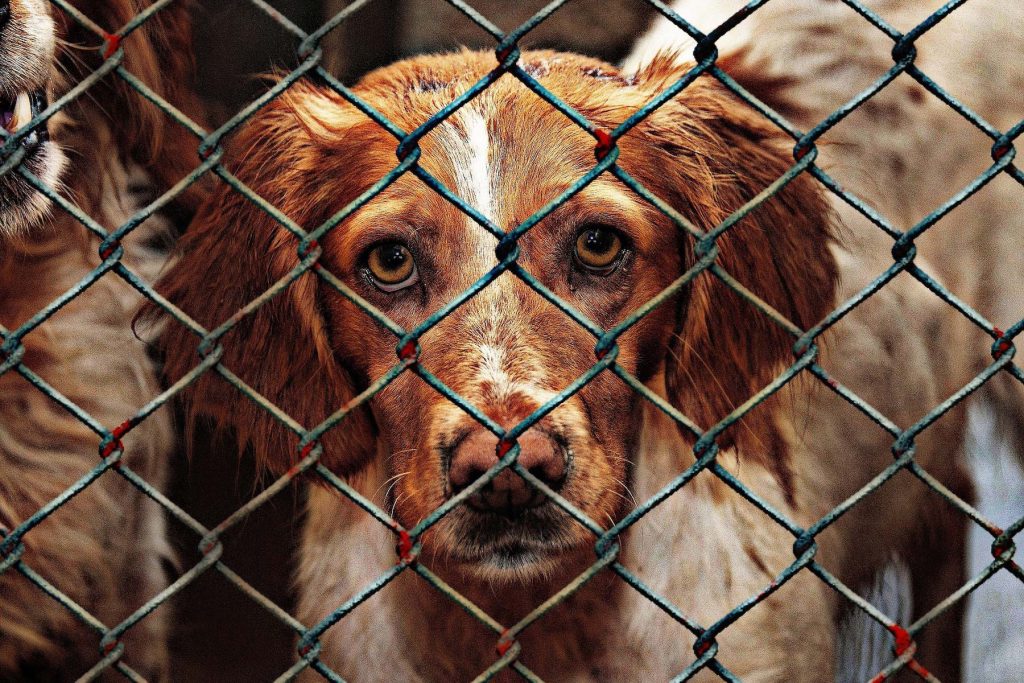
In recent years, the welfare of pets has become an increasingly important issue across the United States. As more pet owners and animal advocates express their concerns, one striking observation emerges: the critical role legislation plays in safeguarding the rights and well-being of animals. This rising awareness not only underscores the need for robust laws but also calls for a thorough investigation into existing frameworks that govern pet welfare.
Understanding Key Legislative Areas
Legislation concerning pet rights encompasses a wide array of laws designed to promote humane treatment and protect animals from mistreatment. Some of the key areas include:
- Anti-cruelty laws: These laws exist to protect animals from abuse and neglect, imposing penalties on those who engage in such behavior. For example, in 2021, California strengthened its anti-cruelty laws, allowing for longer jail sentences and larger fines for convicted offenders.
- Animal control ordinances: These local regulations help monitor pet ownership and behavior, ensuring that owners adhere to responsible practices. For instance, many cities have leash laws in public spaces to promote safety and prevent dog attacks.
- Pet custody laws: In cases of divorce, these laws address ownership disputes, helping to determine which party will retain custody of the pet, much like child custody arrangements.
Recent Reforms and Enhancements
As this burgeoning awareness continues to develop, numerous states are implementing reforms aimed at strengthening pet protections. Recent legislative activities have introduced laws that:
- Mandate harsher penalties for animal abuse, reflecting an evolving societal attitude towards cruelty and neglect.
- Implement stricter regulations on pet breeding and sales, addressing issues such as puppy mills and promoting ethical breeding practices.
- Establish pet adoption standards to ensure humane treatment and responsible adoption practices, thus reducing the number of animals in shelters.
The Road Ahead
An in-depth understanding of these legislative nuances requires exploring the motivations behind them and their tangible outcomes. Increasing public awareness has correlated with heightened advocacy, leading passionate discussions on both local and national platforms. Moreover, organizations like the American Society for the Prevention of Cruelty to Animals (ASPCA) are playing an integral role in pushing for more comprehensive pet rights legislation.
The journey toward enhanced legal protections for pets is an ongoing one, and as more citizens rally for change, the future holds significant potential for our furry companions. With evolving societal norms and legislation, it is crucial to stay informed and engaged in discussions surrounding pet welfare. By understanding the current landscape of laws and proposed reforms, we can contribute to a future where pets are not only valued members of families but are also afforded the protections they rightly deserve.
The Foundations of Animal Rights Legislation
The evolution of pet rights legislation in the United States has been both complex and significant. The historical context surrounding animal welfare laws reveals a shift from utilitarian views—where animals were often seen merely as property—to a more compassionate perspective that recognizes animals as sentient beings deserving of protection and care. This pivotal change has led to the creation of various laws aimed at safeguarding the welfare of pets and addressing the pressing issues affecting them.
One of the most impactful legislative shifts during the past several decades has been the increased recognition of animal sentience. In 2016, for example, the state of Illinois passed the Animal Care and Control Act, emphasizing that animals have emotions and can experience pain and suffering. This law established a foundation for further regulations focusing on humane treatment and robust penalties for abuse.
Key Legislative Milestones
Throughout the United States, several landmark laws have paved the way for advancements in pet rights. These milestones illustrate the growing commitment to animal welfare at various levels of government:
- The Animal Welfare Act (AWA): Enacted in 1966, this federal law provides a baseline standard for the care and treatment of animals, including pets. Although it primarily focuses on laboratory animals, the AWA has set the groundwork for further animal protection laws at both state and local levels.
- The Pet and Women Safety (PAWS) Act: Introduced in 2019, this legislation aims to protect pets in situations of domestic violence. It allows for the inclusion of pets in protective orders, highlighting the understanding that pets are often victims in such situations and deserve legal protection.
- Various state anti-cruelty laws: As previously noted, numerous states have implemented their own anti-cruelty statutes demonstrating a growing commitment to protecting pets from abuse. States like New York and California have notably established some of the strongest laws in the country, imposing substantial penalties for animal cruelty.
In addition to these critical laws, cities and counties across the nation are also implementing local ordinances that reinforce pet rights. Many local governments have developed regulations addressing breeding practices, pet licensing, and shelter conditions. This layered approach highlights a collaborative effort between federal, state, and local authorities in championing pet welfare.
The Influence of Advocacy Groups
The role of advocacy organizations cannot be understated in the evolution of such legislation. Groups like the ASPCA, Humane Society of the United States, and various local animal shelters actively lobby for stronger laws and provide resources for pet owners. These organizations often raise public awareness about animal welfare issues, fostering grassroots movements that lead to legislative change.
As advocacy efforts continue to grow, it becomes evident that public engagement and support for pet rights legislation are crucial to achieving long-term improvements. Grassroots campaigns and community involvement can help catalyze changes, igniting conversations that encourage lawmakers to consider the implications of their decisions on animal welfare.
The Role of Legislation in the Protection of Pet Rights in the United States
The landscape of pet protection in the United States is shaped significantly by legislation at both the federal and state levels. These laws serve not only to uphold the welfare of animals but also to establish a foundational framework for their rights. Historically, animals were viewed primarily as property, subject to the whims of their owners. However, recent shifts in perspective have prompted a movement towards recognizing pets as sentient beings deserving of specific rights.One notable piece of legislation is the Animal Welfare Act, which sets standards for the care and treatment of animals in research, exhibition, transport, and by dealers. This act represents a landmark in the journey towards better protections for pet rights, ensuring that basic needs such as adequate housing, nutrition, and veterinary care are met.Additionally, many states have enacted laws that address issues such as animal cruelty, neglect, and abandonment. These laws often impose stricter penalties on offenders and provide for the prosecutorial measures necessary to ensure justice for animals. Such state-focused legislation further emphasizes the importance of a unified approach to animal rights across the country.Looking at local initiatives, municipalities are increasingly adopting specific ordinances addressing pet ownership responsibilities—such as spaying/neutering requirements and leash laws—aimed at promoting responsible pet ownership. Community advocacy groups have played a critical role in pushing for these changes, illustrating the dynamic interaction between legislation and public sentiment regarding pet rights.Moreover, the rise in popularity of companion animals has led to the establishment of laws surrounding pet custody in cases of divorce or ownership disputes. With the growing recognition of the bond between humans and their pets, legislative bodies are beginning to incorporate provisions that account for the welfare and best interests of animals, rather than merely considering them as possessions. Given the evolving landscape of pet legislation and the continuous push for further protections, there remains a wealth of information and ongoing efforts in the realm of paw advocacy. This burgeoning field helps to navigate the complexities of pet rights and explores the foundational ramifications of legislation on their daily lives.
| Legislation Type | Impact on Pet Rights |
|---|---|
| Animal Welfare Act | Provides minimum standards for housing, care, and treatment of pets. |
| State Cruelty Laws | Help to prevent abuse through severe penalties for offenders. |
As the relationship between humans and pets continues to evolve, the intersection of legislation, advocacy, and public awareness plays a pivotal role in shaping a more humane society for our beloved companions. The exploration of this dynamic reveals the importance of ongoing dialogue and legal reforms in furthering the cause of pet rights in the United States.
The Challenges of Enforcement and Compliance
Despite the noteworthy progress made in pet rights legislation across the United States, significant challenges in enforcement and compliance remain. Many laws exist on paper, but the effectiveness of these statutes often hinges on local resources and public commitment. Different states vary widely in their ability to implement and enforce animal welfare laws, leading to inconsistency in protections offered to pets.
Law enforcement agencies frequently encounter obstacles when it comes to investigating pet abuse cases. For instance, a lack of training or resources dedicated to animal control can hinder their ability to respond effectively to reports of suspected cruelty. Additionally, the burden of proof necessary for prosecution in animal cruelty cases can be stringent. Often, animal welfare advocates emphasize the need for law enforcement officers to receive specialized training on how to recognize and document signs of animal suffering effectively.
Funding and Resource Disparities
Moreover, many local animal shelters and rescue organizations that work closely with law enforcement often face funding shortages. The disparity in federal and state funding for animal welfare can greatly limit the scope of operations for these entities. Cities or counties with higher budgets may boast of well-staffed shelters equipped to enforce pet laws, while others struggle to maintain even basic services. Such inequities can leave pets vulnerable in areas where resources are scarce, making it crucial for state and local governments to advocate for increased funding and resources dedicated to animal welfare initiatives.
There are also instances where legislation may be poorly designed or lacking in specificity. For example, laws that do not define what constitutes adequate shelter or dietary needs can lead to varying interpretations and inconsistent enforcement. Consequently, this may foster an environment where pet owners may unknowingly neglect their pets, believing that they are complying with the laws—indicating a pressing need for clear and comprehensive legislation that addresses pet rights in detail.
Public Perception and Awareness
Public awareness and perception of animal rights also play a significant role in how pet rights legislation is received and enforced. As more people view pets as family members rather than property, there is a growing demand for stronger legal protections. This shift has spurred community discussions and even legislative proposals aimed at advancing pet rights across various platforms, including social media.
Highlighting the role of education cannot be overstated. Campaigns disseminating information about responsible pet ownership and the importance of pet welfare can empower individuals to act on behalf of their furry companions. Furthermore, engaging community members through outreach programs can enhance the relationship between local authorities and the public, potentially bridging the gap in compliance efforts and fostering a shared commitment to improving pet welfare.
The Future of Pet Rights Legislation
The landscape of pet rights legislation in the United States may continue to evolve as communities advocate for stronger protections against abuse and neglect. Future legislative efforts may increasingly incorporate provisions about pet ownership standards, companion animal training, and responsible breeding regulations. Moreover, advancements in technology, such as the integration of tracking systems for pet adoptions and owners, may help ensure compliance with pet welfare laws.
Ultimately, while substantial progress has been made, ongoing evaluation and enhancement of pet rights legislation will be critical to safeguarding the welfare of pets. It remains essential for all stakeholders—lawmakers, enforcement agencies, and the public—to collaborate and tackle the challenges that hinder effective enforcement, ensuring that the well-being of pets is prioritized in every community. This multifaceted approach can lead to comprehensive solutions that not only protect pets but also enhance the quality of life for both animals and their human companions.
Conclusion
The role of legislation in the protection of pet rights in the United States is both pivotal and complex. As discussed, significant progress has been made toward safeguarding pets from abuse and neglect. However, the journey is far from complete. The disparities in enforcement, funding, and public awareness create a patchwork of protections that can leave many pets vulnerable. Inconsistencies across states hinder the overall effectiveness of animal welfare laws, with resource allocation playing a crucial role in how these laws are implemented on the ground.
Moving forward, there is a pressing need for comprehensive and well-defined legislation that addresses the specific needs of pets. This means not only refining existing laws but also enhancing support for law enforcement and local shelters, ensuring that they have the necessary resources to protect animal welfare effectively. At the same time, promoting community outreach and education is vital to foster a culture that values the rights of pets as family members.
As societal perceptions shift, it is essential for legislators and advocates to stay engaged in discussions about pet rights, focusing on innovative solutions that may incorporate technology and best practices from successful programs in other regions. Ultimately, collaboration among lawmakers, enforcement agencies, and the public will be critical in creating a united front against animal cruelty and neglect. By working together, we can pave a path toward a future where every pet enjoys the protections they deserve, ultimately enhancing both their quality of life and that of their human companions.