The role of nutrition in the prevention of diseases in pets

Understanding the Vital Link Between Nutrition and Pet Health
Pet owners often underestimate the impact of nutrition on their furry friends’ overall health. Proper dietary choices can significantly influence a pet’s vitality and longevity. The right balance of nutrients plays a crucial role in preventing diseases and ensuring a happier, healthier life. For instance, dogs and cats that receive balanced diets rich in essential nutrients are less likely to suffer from health issues such as heart disease or arthritis, which commonly plague older pets.
A pet’s diet is not just a source of energy; it also serves to:
- Boost the immune system: Nutrients like vitamins A, C, and E, alongside minerals such as zinc and selenium, support immune function. Research shows that pets with deficiencies in these vitamins can experience a higher frequency of infections and slower recovery times.
- Maintain healthy weight: Proper nutrition helps prevent obesity-related diseases. With nearly 60% of cats and 56% of dogs in the United States considered overweight or obese according to the Association for Pet Obesity Prevention, it’s critical for owners to choose calorie-appropriate diets and control portion sizes. This can reduce risks for diabetes and certain cancers.
- Support digestion: A balanced diet aids in digestive health and nutrient absorption. Ingredients such as probiotics and prebiotics can enhance gut health, promoting a better assimilation of food and minimizing gastrointestinal issues like diarrhea or constipation.
- Promote healthy skin and coat: Essential fatty acids, particularly omega-3 and omega-6, along with quality proteins, contribute to a shiny coat and healthy skin. The presence of these nutrients helps to reduce shedding and skin irritations, which can be particularly beneficial for breeds prone to skin allergies.
With pets developing numerous health issues such as obesity, diabetes, and allergies, it is increasingly important to focus on nutritional prevention strategies. As pet food formulations can vary greatly, being informed about ingredient quality is paramount. For example, the prevalence of fillers and artificial additives in some commercial pet foods can lead to neglected nutritional needs. This makes it vital for pet owners to be proactive and consult with veterinarians when deciding on the best dietary regimen for their pets.
This article delves deeper into how optimal nutrition not only combats diseases but also enhances the quality of life for our beloved companions. Exploring various pet food brands and understanding the label’s ingredient list can empower pet owners to make informed decisions. Focus on diets that prioritize whole foods, limited ingredient diets for sensitive pets, and consider supplements that can add beneficial nutrients based on individual needs.
Ultimately, the intersection of proper nutrition and pet health is not just a choice but a commitment to improving the lives of pets across households in America. As these issues become more prevalent, educating ourselves about canine and feline nutrition plays a vital role in their overall well-being.
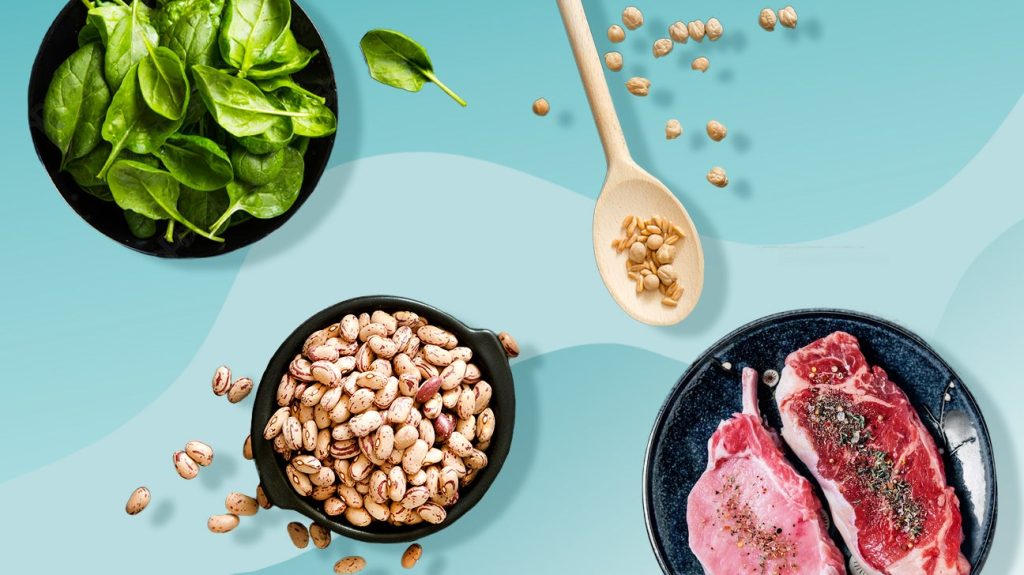
Nutritional Foundations for Disease Prevention in Pets
When it comes to safeguarding the health of our pets, nutrition stands at the forefront of prevention strategies. Just as humans rely on a balanced diet to stave off diseases and promote longevity, our furry companions require similar attention to their nutritional intake. Understanding the specific dietary needs of dogs and cats can make all the difference in averting health issues that frequently arise with poor dietary choices.
Key components of pet nutrition play integral roles in enhancing overall well-being and disease prevention:
- High-Quality Proteins: Proteins serve not only as a fundamental building block for growth and maintenance of body tissues but also play a significant role in the immune response. When selecting a pet food, look for high-quality protein sources, such as chicken, beef, or fish, which support muscle health and immune function.
- Essential Fatty Acids: Fatty acids, particularly omega-3 and omega-6, are crucial in maintaining skin and coat health while also reducing inflammation associated with conditions like arthritis. Including foods rich in these fatty acids can bolster both skin integrity and overall joint health in aging pets.
- Fiber: Adequate fiber intake is essential for digestive health. Ingredients such as pumpkin or sweet potatoes provide soluble and insoluble fiber, promoting regular bowel movements and enhancing nutrient absorption, thereby reducing the risk of gastrointestinal diseases.
- Hydration: While often overlooked, proper hydration is vital for maintaining kidney health and preventing urinary tract infections. Always ensure fresh water is readily available and consider incorporating wet food into your pet’s diet for added moisture.
- Vitamins and Minerals: Micronutrients are equally important for regulatory functions in the body. Vitamins such as A, E, and various B-complex vitamins support metabolic processes, while minerals like calcium and phosphorus are essential for strong bones. A deficiency in these nutrients can lead to severe health complications.
As a pet owner, it is essential to recognize that not all pet food products offer the same nutritional benefits. The pet food industry has seen significant growth, with many options available that promise to meet every nutrient requirement. However, selecting high-quality pet food free of fillers and artificial preservatives should be a priority. Many commercial foods on the market may contain misleading labels that distract from low-quality ingredients, rendering them less effective for preventing diseases.
Moreover, understanding your pet’s specific health needs is crucial. For instance, pets with a history of allergies may benefit from a limited ingredient diet, while those prone to weight gain should follow calorie-controlled meal plans. Consulting with a veterinarian can provide tailored guidance to navigate these choices.
Incorporating optimal nutrition into your pet’s daily routine not only boosts their immunity but also paves the way for a long, joyful life. Fostering awareness about the role of nutrition in disease prevention will further empower pet owners to make educated decisions that drastically improve the health outcomes for their beloved animals.
| Benefits of Proper Nutrition | Impact on Pet Health |
|---|---|
| Prevention of Obesity | Maintaining a healthy weight through balanced nutrition can decrease the risk of chronic diseases, such as diabetes and heart disease. |
| Stronger Immune System | Adequate nutrients enhance immune function, reducing susceptibility to infections and diseases. |
| Improved Digestive Health | A diet rich in fiber can promote optimal digestion and prevent gastrointestinal disorders. |
| Healthy Skin and Coat | Essential fatty acids and proper hydration support skin health, reducing allergies and irritation. |
The connection between nutrition and pet health cannot be overstated. For instance, the prevalence of overweight pets has increased significantly, leading to a rise in diseases that could otherwise be prevented through appropriate dietary guidelines. By selecting high-quality pet food and ensuring it meets nutritional standards, owners can make substantial improvements to their pets’ overall well-being.Furthermore, the role of micronutrients should not be overlooked. Vitamins and minerals play crucial roles in enzymatic functions and cellular processes that contribute to preventative health care. Moreover, the integration of antioxidants in a pet’s diet can combat oxidative stress and inflammation, further preventing diseases such as cancer and arthritis.Overall, the judicious selection of food can translate to longer, healthier lives for our furry companions. Studies consistently indicate that pets receiving well-rounded diets exhibit fewer health issues compared to those who do not. By prioritizing nutrition, pet owners can fortify their pets’ defenses against various ailments, ultimately paving the way for a brighter future for their beloved animals.
Special Dietary Considerations for Common Health Issues
When discussing nutrition in the prevention of diseases in pets, it’s essential to recognize that different health concerns require unique dietary approaches. Providing the right nutrients can significantly alleviate symptoms and, in some cases, reverse the progression of chronic conditions. Below, we delve into specific dietary strategies to combat some widespread health issues faced by pets.
1. Obesity Management
Obesity is a prevalent issue that extends beyond aesthetics; it predisposes pets to numerous health conditions, including diabetes, heart disease, and joint problems. A calorie-controlled diet that emphasizes low-calorie, nutrient-dense foods is crucial for weight management. Ingredients such as green beans or carrots can serve as low-calorie snacks, keeping pets satiated without adding excess weight. Additionally, increasing physical activity alongside a balanced diet can help achieve and maintain a healthy weight.
2. Allergies and Sensitivities
Food allergies or sensitivities can manifest through skin irritations or digestive issues, making it imperative to identify triggers and adjust dietary intake accordingly. A limited ingredient diet can benefit pets by minimizing exposure to common allergens. Often found in commercial products, ingredients like beef, dairy, and grains may provoke reactions. Instead, consider incorporating proteins such as turkey or rabbit and hypoallergenic carbohydrates such as sweet potatoes.
3. Joint Health and Mobility
For aging pets or breeds predisposed to joint issues, including ingredients that promote joint health becomes paramount. Nutrients such as glucosamine, chondroitin, and omega-3 fatty acids play a critical role in maintaining cartilage health and reducing inflammation associated with arthritis. Many pet owners find that incorporating fish oil supplements or selecting diets specifically formulated for joint support can yield significant benefits in mobility and comfort.
4. Dental Health
Oral diseases can lead to severe health problems if left unattended, making dental care an essential aspect of pet nutrition. Diets specially designed to promote dental health often contain larger kibble pieces, encouraging chewing and reducing plaque buildup. Additionally, certain ingredients like silica and other abrasive components can help scrub teeth during eating, further supporting oral hygiene.
5. Digestive Health
Many pets suffer from digestive issues which can manifest as chronic vomiting or diarrhea. Ensuring a healthy gut microbiome is increasingly recognized as vital for overall health. Incorporating prebiotics and probiotics into the diet can greatly improve digestive function and enhance nutrient absorption. Ingredients like chicory root as a prebiotic source and fermented foods containing probiotics can aid in maintaining a balanced gut environment.
Beyond addressing these specific health concerns, it’s vital for pet owners to remain vigilant about the overall quality of the food they choose. Home-cooked meals can provide greater control over nutrient content, though it’s crucial to consult with a veterinarian or a pet nutritionist to ensure that meals are balanced and complete. For those opting for commercial foods, seeking out products certified by entities such as the Association of American Feed Control Officials (AAFCO) can ensure adherence to high-quality nutritional standards.
Lastly, monitoring your pet’s overall health with regular veterinary check-ups is essential. Personalized dietary adjustments based on comprehensive health assessments can lead to a more targeted approach in disease prevention through nutrition.
Conclusion
As we have explored throughout this article, nutrition plays a pivotal role in the prevention of diseases in pets, underscoring the importance of tailored dietary approaches based on individual health needs. The meticulous selection of ingredients can foster not only better physical well-being but also improve the quality of life for our beloved companions. From managing obesity and dietary sensitivities to supporting joint health and enhancing dental care, the impact of a balanced diet can be profound.
Pet owners are urged to remain proactive by seeking high-quality pet foods or consulting with veterinarians for personalized advice regarding home-cooked meals. Additionally, staying informed about nutritional guidelines can empower pet guardians to make better dietary choices that address specific health issues faced by their pets.
Moreover, regular veterinary visits offer an invaluable opportunity to monitor health changes, aligning diet with each pet’s evolving needs. This ongoing dialogue with healthcare professionals ensures that the role of nutrition can transcend basic sustenance, emerging as a powerful ally in the fight against chronic diseases.
Ultimately, understanding the link between nutrition and health can transform the lives of pets, leading to healthier, more vibrant, and longer lifespans. As we continue to learn about the importance of nutrition in veterinary care, it becomes increasingly clear that the foundation of a happy, healthy pet lies in the choices we make at mealtime. Embrace this knowledge, and make nutrition a cornerstone of your pet’s health journey.