Toxic Foods: What to Avoid in Dog and Cat Nutrition
Understanding the Dangers of Toxic Foods
When it comes to pet nutrition, the choices we make for our furry friends can have profound implications on their health. Many pet owners may not realize that certain foods which we consider healthy or innocuous can, in fact, pose serious health risks to dogs and cats. This makes it imperative for pet owners to understand which foods are toxic and to educate themselves on the dangers that lurk in their kitchens.
There are numerous household items that can be harmful or potentially fatal to pets. Being aware of these risks is the first step in ensuring their safety. Here are some key categories of foods that pet owners should avoid:
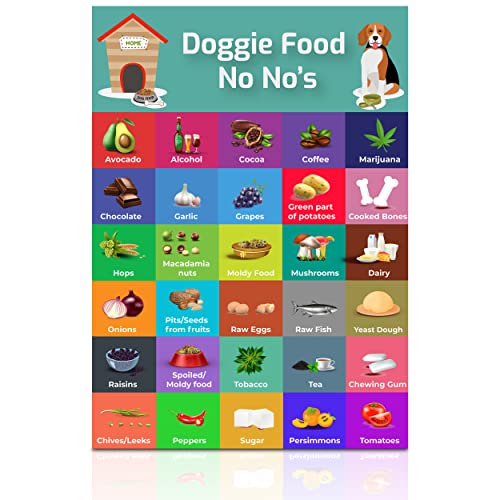
- Human Foods – Some commonly consumed items can have dire consequences for pets. For instance, chocolate contains theobromine, which can lead to distressing symptoms such as vomiting, diarrhea, and even seizures. Additionally, onions and garlic can damage a pet’s red blood cells, leading to anemia. Grapes and raisins have also been linked to sudden kidney failure in dogs, making them particularly dangerous.
- Processed Snacks – Many processed human snacks may seem harmless, but those containing xylitol—a sugar substitute often found in sugar-free gum, candies, and baked goods—can be exceptionally hazardous. Xylitol ingestion can cause insulin spikes, leading to hypoglycemia (low blood sugar), seizures, and liver failure in dogs.
- Uncooked Foods – Feeding your pet raw foods, such as eggs, meat, or fish, poses a risk of bacterial infections from pathogens like Salmonella or E. coli. Furthermore, raw fish can carry parasites that can inflict illness. It is essential to approach a raw diet with caution and be informed of the potential risks involved.
Recognizing the signs of poisoning is another crucial aspect of responsible pet ownership. Symptoms such as vomiting, diarrhea, lethargy, and seizures should prompt immediate veterinary consultation. Early intervention can make a significant difference in the outcome of a poisoning case.
Ongoing education and awareness about toxic foods are vital in preventing potential poisoning incidents. Regular discussions with a veterinarian can also help pet owners stay informed about the foods that could be considered harmful. Curious about what other foods could be on the danger list? Taking the time to explore the topic can provide valuable insights for safeguarding your pets’ health and happiness. Being a proactive pet owner means ensuring that your furry companions are safe from the unseen dangers that may lurk in everyday food items.
DIVE DEEPER: Click here to learn more
Identifying Common Household Dangers
As pet owners, it’s essential to realize that our animals often share our living spaces and sometimes even our meals. While many foods can be a delightful treat for humans, they can pose serious health hazards to dogs and cats. Recognizing these common household dangers is the first step towards protecting your beloved pets.
One of the most dangerous categories of toxic foods comes from our kitchens. For instance, chocolate is not just a sweet indulgence; it contains theobromine and caffeine, which are particularly toxic to dogs and can lead to symptoms such as increased heart rate, restlessness, and vomiting. As little as 0.5 ounces of dark chocolate per pound of body weight can cause serious complications in dogs. Cats, while less likely to consume chocolate, are not immune to its dangers, as the effects can mirror those seen in dogs.
Similarly, grapes and raisins are deceptively innocent items often found in our homes and can lead to acute kidney failure in dogs, even in small amounts. The exact component that causes this toxicity is unknown, making it crucial to keep these fruits well out of reach. Symptoms may include lethargy, vomiting, and lack of appetite, which can escalate quickly to more severe health issues.
Onions and garlic, rooted in many global cuisines, are also serious threats to pets. These vegetables contain compounds called thiosulfates, which can be harmful to both dogs and cats, causing oxidative damage to red blood cells and resulting in anemia. A small amount may not show immediate effects, but repeated exposure can accumulate and lead to significant health issues over time.
Beyond these common food items, pet owners should be cautious of processed snacks often found in our pantries. Products containing xylitol, a sugar substitute frequently included in sugar-free gum and candies, are especially dangerous. Just a small amount can trigger insulin release in dogs, leading to hypoglycemia. Symptoms of xylitol poisoning include disorientation, seizures, and even liver failure if not treated promptly.
Animal owners should also consider the dangers associated with uncooked foods. Feeding your pet raw meat or eggs can expose them to harmful bacteria such as Salmonella and E. coli. These pathogens can not only make your pet ill but can also pose a risk to human family members through cross-contamination. Moreover, certain raw fish can contain parasites like tapeworms, which can cause gastrointestinal distress. It’s recommended to cook food thoroughly to mitigate these risks.
Understanding which foods are harmful to our pets empowers us as pet owners. Awareness, along with open conversations with veterinarians, can equip you with the knowledge necessary to keep your four-legged companions safe. By identifying these common household dangers, you can make informed decisions, ensuring your pets enjoy a healthy and happy life free from the risks posed by toxic foods.
| Toxic Food Types | Consequences for Pets |
|---|---|
| Chocolate | Can cause vomiting, diarrhea, and even seizures due to theobromine, toxic to pets. |
| Onions and Garlic | Lead to anemia as they can damage red blood cells in both dogs and cats. |
| Grapes and Raisins | May cause kidney failure, even in small quantities, particularly in dogs. |
| Xylitol (Artificial Sweetener) | Can lead to rapid insulin release, causing hypoglycemia and liver failure in dogs. |
Nutrition is crucial for the well-being of our furry companions. An understanding of hazardous foods empowers pet owners to make informed choices. Dogs and cats, while often treated as family, can react adversely to several common foods. The above-listed items are just a few examples of what is best kept out of reach. It is important to always monitor what your pets consume, as certain ingredients can lead to serious health issues. For instance, the toxicity levels of items like chocolate vary with the pet’s size; even a small piece can be lethal to a tiny dog. Consider consulting your veterinarian for a comprehensive list of toxic foods and their effects on your pet’s health. This knowledge will not only help in avoiding accidental poisonings but also ensure a healthy and long-lasting relationship with your beloved animals.
LEARN MORE: Click here to discover effective strategies
Expanding Knowledge on Toxic Foods
Beyond the usual suspects found in the kitchen, pet owners should also be aware of several other common items that can be harmful to dogs and cats. For instance, alcohol, found in various household products as well as beverages, is highly toxic to pets. Even small amounts can lead to serious health complications, including seizures, respiratory failure, and even death. The signs of alcohol poisoning may include vomiting, disorientation, and lethargy. It is imperative to keep all alcoholic beverages, along with products containing alcohol, out of reach from pets.
Another commonly overlooked toxic item is caffeine. Present in coffee, tea, energy drinks, and some medications, caffeine can be fatal to pets. Dogs and cats are particularly sensitive to its effects, which can include rapid breathing, heart palpitations, and muscle tremors. It is wise to treat any food or drink containing caffeine as you would chocolate—an outright no-go for your furry companions.
Additionally, pet owners should be cautious about the use of certain nuts in their homes. While not all nuts are harmful, some, like macadamia nuts, can cause serious health risks, particularly in dogs. Symptoms of macadamia nut toxicity include weakness, tremors, and hyperthermia, which can prove distressing for the animal and worrisome for the owner.
Similarly, the popular snack item peanut butter may seem harmless, but pet owners must scrutinize the ingredients before sharing with their pets. Many commercial brands contain xylitol, a sweetener known to be extremely toxic to dogs. Always choose peanut butter labeled as safe for pets, ensuring that it contains no unwanted additives.
In some households, avocado is a trendy addition to meals, but it can pose risks to pets. While the flesh of the avocado is generally safe for dogs, the pit and skin contain a substance called persin, which can lead to vomiting and diarrhea in animals. Additionally, cats can be more sensitive, so it’s best to avoid avocados altogether if you have these pets.
Lastly, it’s crucial to address the dangers of dairy products. Many pet owners mistakenly believe that milk and cheese are safe treats for their pets. However, dogs and cats are often lactose intolerant, which can lead to gastrointestinal distress after consuming dairy. Signs of lactose intolerance include diarrhea, bloating, and gas. Instead, opt for treats specifically designed for pets that cater to their dietary needs.
Pet owners are encouraged to cultivate a toxic food awareness mindset to explore further resources on what to avoid in their pets’ nutrition. Understanding these potentially harmful foods helps establish safer habits that lead to happier, healthier pets. It can be a daunting endeavor, but your veterinarian is always a valuable resource for guidance. Keeping a close eye on what our pets consume can significantly impact their overall well-being and longevity.
DISCOVER MORE: Click here to enhance your pet’s emotional well-being</
Final Thoughts on Toxic Foods for Pets
In conclusion, safeguarding your pets from toxic foods is not just about eliminating specific items from your pantry or dinner table; it’s about fostering a profound understanding of what constitutes safe and nutritious meals for your beloved furry companions. With a myriad of commonly consumed household items potentially posing severe risks to dogs and cats, there’s no room for complacency. From harmful substances like alcohol and caffeine to unsuspecting ingredients in treats such as xylitol, vigilant monitoring of your pet’s diet is essential.
Additionally, it is crucial to recognize that the human diet does not always align with what is safe for animals. Foods like avocado, certain nuts, and dairy products highlight the discrepancies between our nutritional needs and those of our pets. By being informed and adopting a proactive approach, such as consulting your veterinarian and choosing pet-specific treats and foods, you can dramatically improve your pet’s quality of life.
Finally, the conversation about pet nutrition extends beyond individual items— it encompasses a comprehensive understanding of what constitutes a balanced and healthy diet for dogs and cats. Continuous education is key, and pet owners are encouraged to explore reliable resources and stay updated on the ever-evolving landscape of pet health. Your diligence not only protects your pets from unnecessary harm but also paves the way for a vibrant, happy, and long life together.