Trends in Natural and Organic Food for Pets
The Growing Preference for Natural and Organic Pet Foods
With pet ownership on the rise in the United States, pet parents are increasingly prioritizing the dietary choices made for their furry companions. This shift towards natural and organic food for pets stems from a deepening awareness of health, sustainability, and the desire for transparency in pet food ingredients. As a result, the pet food industry is experiencing a significant transformation aimed at meeting these evolving consumer demands.
One of the primary driving forces behind this movement is health awareness. Pet owners are becoming vigilant about what goes into their pets’ bowls. They are looking for whole, natural foods that are free from harmful fillers, artificial preservatives, and genetically modified organisms (GMOs). According to a survey by Packaged Facts, a market research firm, more than 60% of pet owners believe that natural ingredients contribute to better health. This improved awareness has consumers turning to brands that prioritize high-quality ingredients, such as free-range meats, organic grains, and non-GMO vegetables, which promote overall well-being.
Meanwhile, sustainability has also become a key concern. Environmentally conscious consumers are opting for organic products, which are often produced using farming methods that reduce chemical usage and promote biodiversity. Initiatives such as adopting sustainable packaging and sourcing ingredients locally are becoming standard practices within the industry. Brands like Open Farm, for example, focus not only on ethical sourcing but also on maintaining sustainable relationships with farmers, which feeds into consumer preferences for environmentally friendly options.
Transparency in the pet food marketplace is another trend that cannot be overlooked. Modern consumers are demanding complete disclosure regarding sourcing and manufacturing processes. They want to know where their pet food ingredients come from and the methods used to process them. Companies that openly share their production methods, such as sourcing transparency and ethical practices, have seen a surge in customer loyalty. Much of this is aided by the rise of the internet, where consumers can easily access information and reviews about different brands.
The organic pet food market is projected to grow significantly in the coming years. Recent statistics indicate that the market could exceed $1 billion by 2025, driven by an increase in retail availability of certified organic products. In response, pet food companies are innovating their offerings to stay relevant to this demographic. Consumers will find more specialty diets tailored to pets with specific health conditions, such as homemade meal kits or products enriched with superfoods like blueberries, kale, and probiotics, designed to strengthen the immune system and promote digestive health.
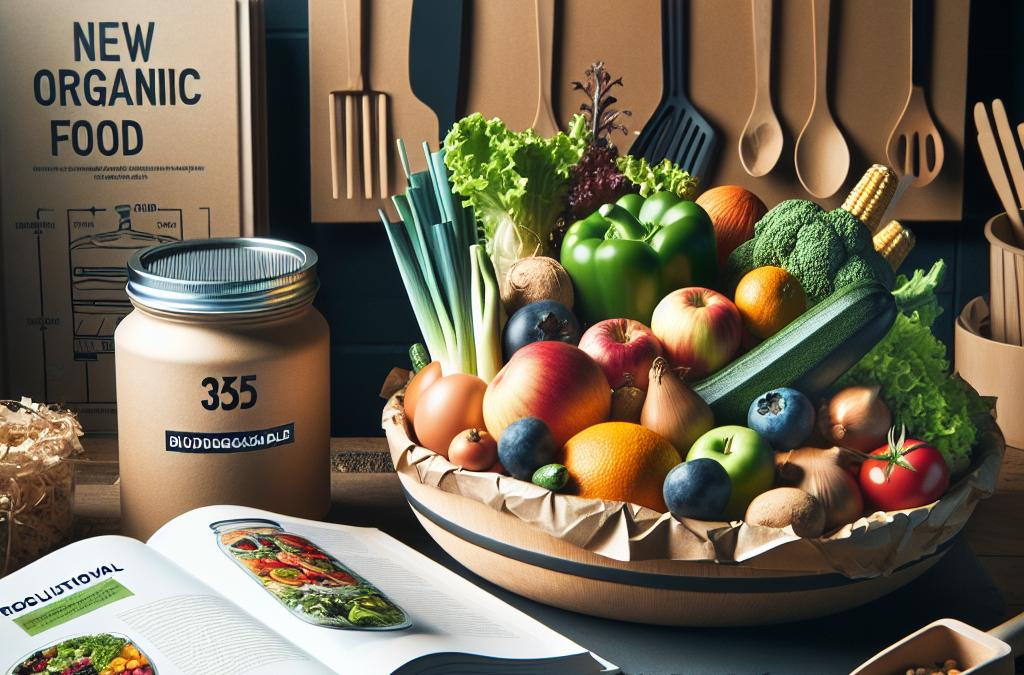
Furthermore, the popularity of home-cooking for pets is on the rise as owners seek to take control over their pets’ diets. Meal kits designed for pet owners that include fresh, wholesome ingredients are becoming widely available. These enable owners to prepare meals for their pets at home, ensuring complete transparency and personalization based on their pet’s needs.
In summary, the trend toward natural and organic pet foods is not just a passing phase; it reflects a broader movement towards healthier living and conscious consumerism. As we explore the key trends in natural and organic pet food, we can uncover valuable insights regarding the benefits, challenges, and future opportunities that these shifts present within the dynamic landscape of pet nutrition. The pursuit of better health for our pets corresponds with a growing collective consciousness about the impacts of our choices, leading to a healthier lifestyle for both pets and their owners alike.
DIVE DEEPER: Click here to learn more about pet adoption financing
Key Trends Shaping the Natural and Organic Pet Food Market
The evolution of natural and organic food for pets is punctuated by several key trends that are reshaping the pet food landscape. One notable trend is the demand for protein-rich diets. Pet owners are increasingly prioritizing diets that are high in quality protein sources, believing that these contribute significantly to their pets’ health and vitality. The rise of single-source protein diets, such as chicken, lamb, or fish, is enabling consumers to find options that cater to their pets’ specific dietary needs. Many brands are now labeling their products as “high protein” or featuring protein as the primary ingredient, promoting transparency around the nutritional value of their food.
Another significant trend is the emergence of functional ingredients. Ingredients known for their health benefits, such as glucosamine for joint health, omega fatty acids for skin and coat condition, and prebiotics for digestive health, are becoming increasingly prominent in pet foods. This shift reflects a growing awareness among pet parents about the special dietary needs of their pets. According to a recent study by the American Pet Products Association (APPA), approximately 25% of pet owners are now actively seeking foods that offer added health benefits.
- Restrictions on fillers and additives: Many pet owners are on the lookout for kibble or wet foods that avoid common fillers such as corn, soy, and wheat. Instead, they favor brands that focus on simple, wholesome ingredients.
- Increased interest in grains: While grain-free diets gained popularity, recent trends have shown a resurgence in the acceptance of whole grains, like brown rice and oats, as healthy sources of energy.
- Culturally inspired flavors: Brands are increasingly integrating international flavors and ingredients, targeting consumers looking to provide their pets with unique tastes, drawing inspiration from cuisines around the world.
Moreover, innovative packaging is also gaining traction in the natural and organic pet food market. Eco-conscious pet owners are more inclined to choose products that use sustainable, recyclable packaging. Companies are responding by developing biodegradable or minimalistic packaging solutions that reduce environmental impact, further aligning with consumer values. According to a survey by Nielsen, 66% of consumers are willing to pay more for products that come in sustainable packaging, making this an important factor for brands in the natural pet food sector.
As the pet food industry continues to adapt to consumer needs, we are also witnessing a rise in pet food certification programs. Certifications related to organic practices, quality control, and ingredient sourcing are becoming critical for brands looking to differentiate themselves. Pet owners are being educated about these certifications and their importance, reinforcing the notion that informed ingredient choices matter.
In conclusion, the current trends in natural and organic pet food reflect a powerful shift in consumer preferences, with an emphasis on health, sustainability, and ethical sourcing. As the market evolves, pet owners have more options than ever to provide their pets with not just food, but food that aligns with a holistic approach to health and wellness. With this ongoing transformation, it is essential for both consumers and manufacturers to stay informed about the latest developments in this vibrant industry. As we explore further, we will delve into the challenges that lie ahead and the opportunities that can enhance the experience of feeding our four-legged friends.
| Category | Key Features |
|---|---|
| High-Quality Ingredients | Made with organic meat, vegetables, and grains, ensuring nutritional value. |
| Health Benefits | Supports digestion, boosts immune system, and promotes overall well-being. |
The rise of trends in natural and organic food for pets reflects a growing awareness among pet owners about the importance of nutrition. As consumers increasingly seek transparency regarding pet food ingredients, the demand for high-quality ingredients has surged. Products formulated with organic meat, vegetables, and grains not only offer enhanced flavor but also guarantee a higher nutritional value, essential for maintaining a pet’s health. Moreover, diets rich in natural ingredients are associated with numerous health benefits. These diets can support proper digestion, boost the immune system, and promote healthy skin and fur. This trend aligns well with pet owners’ desires for holistic approaches to their animals’ well-being, encouraging them to make informed choices and explore the full range of options available in the market. As you delve into this topic, consider how these trends are shaping the future of pet nutrition and what innovations might emerge next.
DISCOVER MORE: Click here to enhance your pet’s well-being
The Rise of Personalized Pet Nutrition
One of the most captivating trends within the natural and organic pet food market is the growing movement towards personalized nutrition for pets. Much like the human health industry, customization is becoming increasingly prevalent in pet food. Pet owners are beginning to treat their pets with the same level of consideration as they would themselves when it comes to dietary needs. Companies are leveraging technology to create tailored meal plans based on distinct factors such as age, breed, weight, and health conditions.
This trend is being driven largely by advancements in data analytics and pet wellness research. For instance, several startups and well-established brands are now offering subscription services that provide pre-portioned meals customized to each pet’s unique requirements. These services often require pet owners to submit detailed information about their pets, which then informs the nutritional composition of their food. Recent surveys indicate that over 30% of pet owners in the U.S. express interest in customizable pet food solutions, underscoring the viability of this avenue.
Local Sourcing and Farm-to-Bowl Movement
Another significant trend in the natural and organic pet food sector is the farm-to-bowl movement. This approach emphasizes the importance of locally sourced ingredients and promotes the idea that pets should enjoy the same high-quality food that humans benefit from. Pet owners are increasingly inclined to support brands that prioritize sourcing ingredients from local farmers and producers, which not only bolsters local economies but also enhances the freshness and quality of the food.
Brands are positioning themselves as advocates of transparency by sharing stories about their ingredient sourcing. For instance, pet food companies are now showcasing where their meat, vegetables, and grains originate. In this era of conscious consumerism, pet owners value the connection between their pets’ food and the local agricultural community, leading to higher demand for locally sourced options. A notable effect of this trend is a spike in farmer’s markets featuring pet food products, bridging the gap between pet owners and the food they choose.
Innovative Dietary Solutions and Novel Ingredients
The exploration of novel ingredients is another fascinating trend gaining traction in the pet food landscape. As pet owners become more knowledgeable about what constitutes a healthy diet, companies are delving into less conventional protein sources, such as insects, algae, and plant-based ingredients. These alternative protein sources not only offer unique nutritional profiles but also present a more sustainable way to feed pets compared to traditional livestock.
Insects, for example, are rich in protein and essential fatty acids, while also requiring significantly fewer resources to farm. Brands that incorporate ingredients like cricket protein or spirulina are finding a receptive audience among pet owners who are conscious of the environmental impact of their food choices. Recent studies indicate that more than 40% of consumers are open to feeding their pets meals that contain alternative proteins, which is revolutionizing pet food formulations across the industry.
In summary, the landscape of natural and organic food for pets is continually evolving with trends such as personalized nutrition, local sourcing, and innovative dietary solutions. These shifts not only reflect changing consumer preferences but also signify an increased awareness of pet health and environmental concerns, inviting further exploration into what the future holds for our furry companions’ diets.
DIVE DEEPER: Click here to discover essential techniques
Conclusion: The Future of Pet Nutrition
As we navigate the dynamic landscape of natural and organic food for pets, several key trends are reshaping how we approach pet nutrition. The emergence of personalized pet nutrition is pivotal, as it enables pet owners to cater specifically to their animal’s unique dietary needs. Coupled with an increasing emphasis on local sourcing through the farm-to-bowl movement, the focus on transparency and quality is at the forefront of consumer consciousness. Pet owners are not only prioritizing what they feed their pets but also where it comes from, seeking out brands that support local farmers and promote sustainable agriculture.
Furthermore, the introduction of novel ingredients is capturing the interest of pet owners who are eager for sustainable alternatives that enrich their pets’ diets. With a growing openness to unconventional protein sources like insects and plant-based options, brands are innovating to meet this demand while addressing environmental concerns. This evolution towards sustainability and nutrition is beneficial not just for pets, but also for the planet.
In conclusion, as awareness grows regarding pet health and environmental impact, pet nutrition will continue to transition towards more informed, innovative practices. The increasing willingness of consumers to explore diverse and sustainable choices demonstrates a significant shift in priorities. This evolution holds the promise of a healthier future for pets and the planet alike, inviting pet owners to participate in a vibrant community dedicated to responsible and thoughtful pet care. As these trends continue to unfold, they will surely lead to exciting advancements in pet food products and the overall well-being of our furry family members.