Ultimate Dog Training Guide Effective Obedience Socialization Techniques

Bringing a dog into your home is an exciting adventure, but it comes with responsibilities. Proper training is essential for ensuring that your furry friend becomes a well-mannered and social member of the family. With effective training techniques, you not only foster a strong bond with your pet but also enhance their quality of life.
The importance of dog training cannot be overstated. It lays the foundation for obedience and socialization, crucial aspects that impact the well-being of both the pet and their owners. Understanding the right techniques can drastically improve your dog’s behavior and demeanor, leading to a harmonious household.
In this guide, we will explore the Top 5 training techniques that can transform your dog into a well-behaved companion. You’ll discover methods that are not only effective but also enjoyable for both you and your pet, ensuring a rewarding training experience.
Top 5: Comprehensive Dog Training Guide – Effective Techniques for Obedience and Socialization
Training your dog is an instrumental part of pet ownership. This process is crucial for molding behavior, enhancing social skills, and fortifying the bond between you and your furry companion. In this article, we delve into the top five effective techniques for dog training. These methods focus on achieving obedience and fostering social skills, paving the way for a well-behaved and sociable dog. Whether you’re a novice dog owner or an experienced handler seeking to refine your skills, this guide offers valuable insights for everyone.
5. Positive Reinforcement
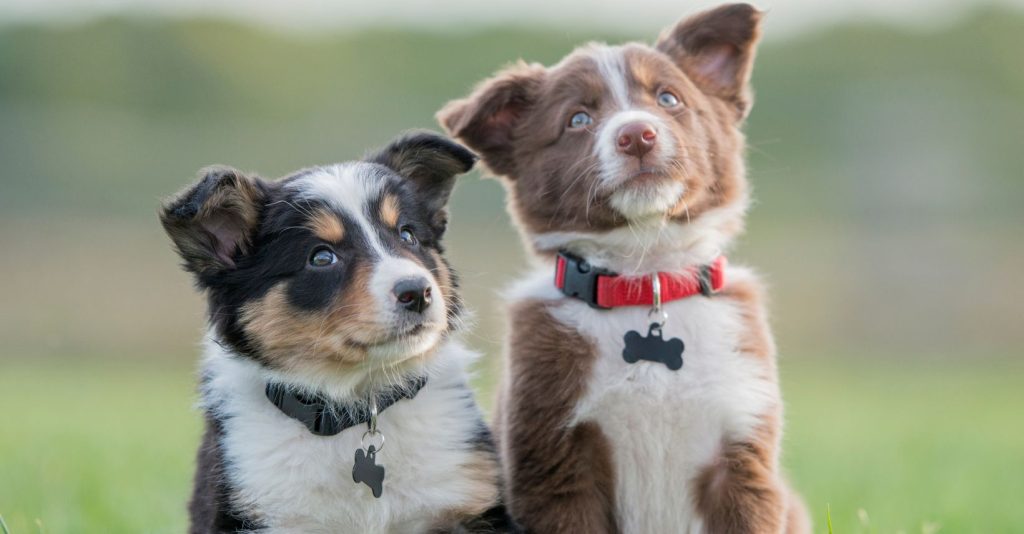
The fifth technique on our list is Positive Reinforcement, a widely acclaimed method due to its effectiveness and humane approach. This technique is predicated on rewarding your dog for favorable behaviors, thereby encouraging them to repeat these actions. The reward could be in the form of treats, verbal praise, or increased playtime. This method is rooted in a fundamental psychological principle: behaviors followed by favorable outcomes are likely to be repeated.
To effectively employ positive reinforcement, consider the following steps:
- Consistency is key: Consistently reward good behavior immediately as it occurs to strengthen the association.
- Use high-value treats: Select treats that your dog finds irresistible to maintain motivation during training sessions.
- Mix it up: Complement treat offerings with verbal praise and physical affection to provide varied forms of rewards.
Although effective, this method demands patience and perseverance. It’s important to maintain a routine and reinforce desired behaviors continually for lasting results.
4. Clicker Training
The fourth entry on our list is Clicker Training, known for its precision and clarity. This method involves the use of a small handheld device – a clicker – to audibly mark desired behaviors. The distinct sound of the clicker acts as a signal to your dog, indicating that they have performed an action correctly, to be promptly followed by a reward. This technique is particularly valuable when teaching complex behaviors that require multiple steps.
Embarking on clicker training involves these foundational steps:
- Introduce the clicker: Initiate the process by clicking the device and immediately offering a treat, ensuring your dog associates the sound with a reward.
- Mark behaviors: Once the association is established, click the moment your dog performs the desired action, then reward them.
- Gradually increase difficulty: As your dog becomes proficient with basic commands, employ the clicker to guide them through more complex tasks.
The clarity and consistency provided by clicker training establish a robust communication channel between you and your dog, making this method a notably effective training choice.
3. Socialization
The third crucial technique is Socialization. Initiating early socialization is critical, especially for puppies, as it helps them learn how to interact appropriately with other animals and people. Ideally, socialization begins during the puppy’s early days at home and extends until they reach at least six months of age, although continued social exposure is beneficial throughout the dog’s life.
Effective socialization can be achieved by focusing on these aspects:
- Variety of environments: Gradually expose your puppy to different settings, people, sounds, and animals to build adaptability.
- Positive experiences: Ensure that all interactions are positive, as negative experiences can instill fear and aggression.
- Controlled settings: Organize controlled interactions such as playdates or enroll your dog in puppy classes to promote safe social development.
A dog that has been well-socialized is typically more confident, well-mannered, and less prone to anxiety in unfamiliar situations.
2. Basic Obedience Training
In the penultimate position is Basic Obedience Training, laying the groundwork for advanced commands and behavior patterns. It encompasses essential commands such as “sit,” “stay,” “come,” and “down.” Mastery of these commands can significantly enhance your dog’s behavior at home and in public.
To effectively implement basic obedience training, consider these strategies:
- Short training sessions: Keep the sessions brief—ideally 5-10 minutes—fostering engagement without overwhelming the dog.
- Use hand signals: Complement verbal commands with hand signals to facilitate a clear understanding of the commands.
- Repeat regularly: Reinforce the commands consistently and integrate them into daily routines to cement learning.
Basic obedience training provides the essential foundation for more advanced techniques and helps ensure your dog’s safety and good manners.
1. Advanced Training Techniques
Topping our list are Advanced Training Techniques, designed for dogs that have mastered basic commands and are ready for more challenges. Advanced training involves teaching complex tasks or tricks and can address specific behavioral issues.
Here are some insights into advanced training methods:
- Agility training: Engage your dog in agility courses that improve fitness, coordination, and teamwork.
- Problem-solving exercises: Introduce tasks that encourage cognitive development, such as puzzle toys or scent work.
- Behavioral adjustments: Address specific issues like separation anxiety or excessive barking through targeted exercises.
Advanced training not only offers mental stimulation but also strengthens the bond and communication between you and your dog, elevating both behavior and companionship to new levels.
Investing time and dedication in your dog’s training journey can lead to rewarding outcomes for both you and your pet. Whether through positive reinforcement’s delightful rewards, the precise clarity of clicker training, foundational socialization skills, basic obedience commands, or the challenges of advanced training, each method presents unique benefits. These techniques cater to various learning stages, ensuring that every dog and owner can find an approach that suits their needs, leading to a harmonious and fulfilling relationship.
| Category | Description |
|---|---|
| Positive Reinforcement | Using rewards such as treats, praise, or playtime to encourage desired behaviors in dogs, making training enjoyable and effective. |
| Socialization Techniques | Incorporating interactions with various environments, people, and other animals to enhance a dog’s adaptability and reduce anxiety in new situations. |
| Behavior Correction | Strategies to address and modify undesirable behaviors, ensuring clarity and consistency in the training process. |
| Training Schedules | Establishing routine training sessions that promote learning while catering to the dog’s attention span and energy levels for maximum effectiveness. |
The implementation of positive reinforcement is pivotal in effective dog training. This method not only motivates the dog but also fortifies the bond between the dog and trainer. By consistently rewarding good behavior, dogs learn to associate these behaviors with positive outcomes, which significantly enhances their willingness to learn. According to studies, animals trained using positive reinforcement exhibit better retention of commands and improved behavior patterns compared to those trained using punitive measures.In tandem with positive reinforcement, the importance of socialization techniques cannot be overemphasized. Socialization should begin at an early age, exposing puppies to various stimuli and diverse environments. This process minimizes the risk of behavioral issues that can arise in fearful or anxious dogs. For instance, regular interactions with other dogs and different human personalities contribute to a well-adjusted canine companion capable of navigating social settings with ease.Addressing problematic behaviors requires strategically crafted behavior correction techniques. This involves identifying and understanding the triggers behind negative behaviors, thus creating tailored responses that guide the dog toward more appropriate actions. Employing consistent cues and commands reinforces the desired behavior, making it clear for the dog what is expected. Developing effective training schedules is crucial for optimal learning. Dogs thrive on routine, which helps in establishing clear expectations. Short, engaging sessions are often more beneficial than lengthy, monotonous ones, as they maintain the dog’s focus and facilitate a more rewarding learning experience. Adapting these schedules to the individual dog’s energy levels and needs ensures that training remains a positive and effective practice. These elements collectively contribute to a comprehensive and influential training program, laying the groundwork for lasting obedience and a harmonious relationship between dogs and their owners.
Frequently Asked Questions About Dog Training and Socialization
What is the best age to start training my dog?
Training can begin as early as eight weeks old. Puppies are particularly receptive to learning at a young age, making it an ideal moment to start with simple commands and socialization. However, it’s never too late to train a dog. Older dogs can also learn new behaviors with patience and consistent practice.
How long should a training session for my dog be?
For young puppies, short and engaging sessions of about 5 to 10 minutes are recommended. Their attention span is limited, and keeping the sessions brief helps maintain their interest. As dogs mature, you can gradually increase the duration to about 15-20 minutes. Consistency is key, so regular, shorter sessions are more effective than occasional, longer ones.
What are some effective techniques for preventing my dog from becoming aggressive?
Preventing aggression involves proper socialization and training to reinforce positive behavior. Exposure to a variety of people, animals, and environments is crucial. Use positive reinforcement techniques, such as treats and praise, to reward good behavior. Avoid harsh punishments, which can foster fear and increase aggression. Consulting a professional dog trainer can also provide tailored strategies based on your dog’s specific needs.
How can I stop my dog from barking excessively?
Excessive barking can stem from boredom, anxiety, or behavioral issues. Identifying the root cause is essential. Providing mental stimulation through toys and interactive games can help. Teaching the “quiet” command might also be effective. Patience and consistency are vital in curbing excessive barking. For complex cases, consulting a behavioral specialist may be beneficial.
Are there specific tools or equipment that can aid in training my dog?
Various tools, such as clickers, harnesses, and treat pouches, can facilitate training. Clicker training uses a distinct sound to mark desired behavior, followed by a reward. Harnesses provide better control during walks without causing discomfort to the dog. Additionally, keeping treats handy in a pouch ensures immediate reward for positive actions, reinforcing the training process.
Conclusion:
The journey through the “Guia Completo de Treinamento para Cães: Técnicas Eficazes para Obediência e Socialização” has highlighted the critical components to effectively train and socialize your canine companions. As we have explored, these practices are not just about commands and compliance, but about fostering a strong bond and mutual understanding between humans and dogs.
One of the key takeaways is the importance of establishing a foundation of trust and consistency. Utilizing positive reinforcement techniques has proven to be highly effective, paving the way for more rewarding interactions. By reinforcing desired behaviors through rewards, we actively promote a learning environment where dogs are enthusiastic participants.
Another significant aspect is the necessity for early socialization. Introducing dogs to diverse environments and experiences at a young age leads to more adaptable and socially adept pets. This forms the cornerstone of preventing behavioral issues and fostering well-rounded dogs.
Setting clear boundaries through structured routines provides dogs with a sense of security, reducing anxiety and promoting a harmonious household. As highlighted, consistency in training methods and schedules is vital in achieving these results.
Understanding dog behavior and utilizing effective communication cues can bridge the gap between training and real-world application, allowing for stronger compliance and interaction in varied situations.
Ultimately, investing time in training and socialization is not just about obedience; it’s about enhancing the dog’s quality of life and your relationship with them. This comprehensive guide serves as a stepping stone for dog owners committed to nurturing well-behaved and socially adept pets. The nuances captured in this guide encourage dog lovers to delve deeper into canine psychology, reinforcing that the path to successful training is a continuous learning process for both pet and owner alike.