Understanding the Importance of Hydration for Pets’ Health
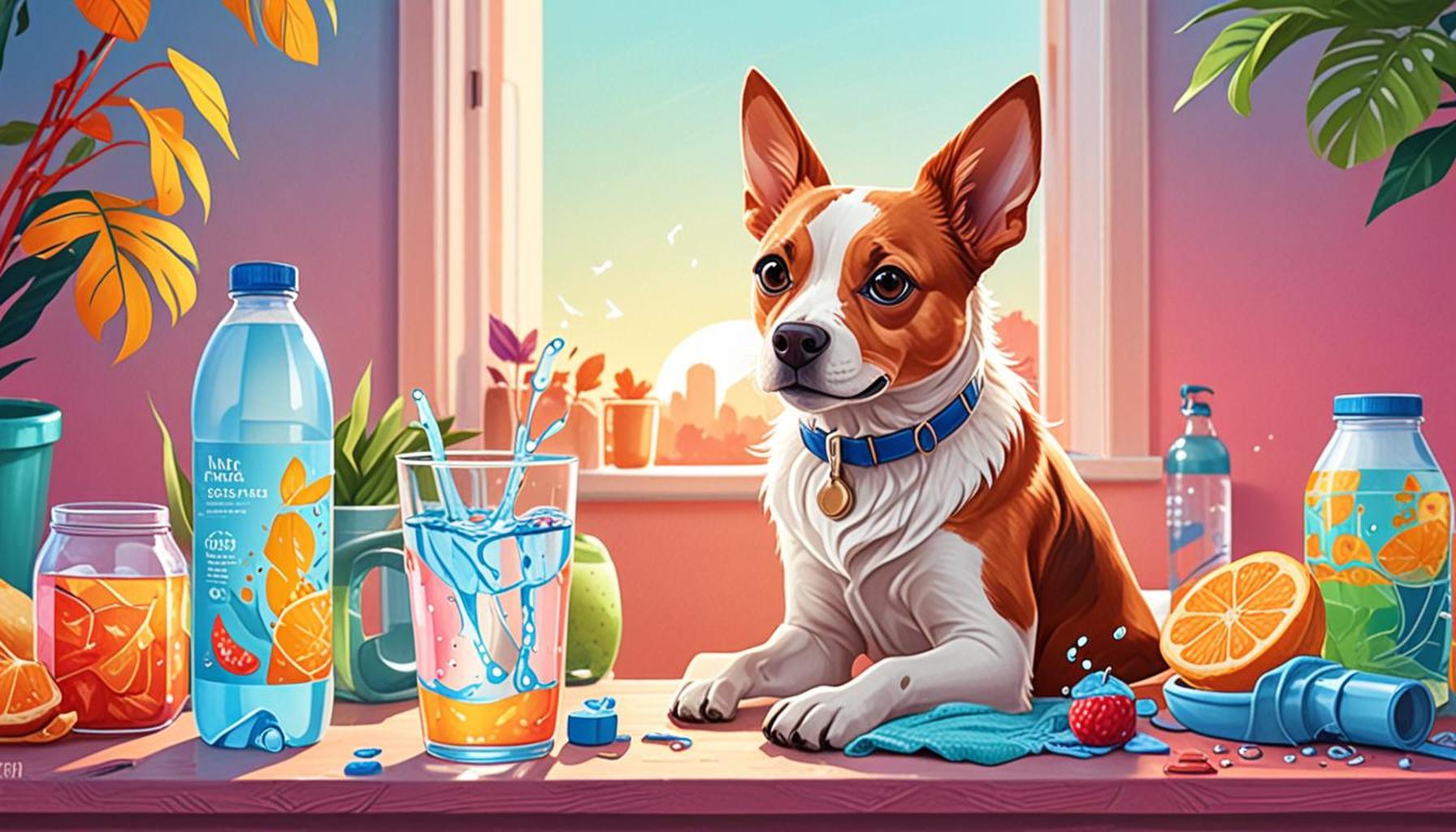
Understanding Hydration: The Cornerstone of Your Pet’s Health
Did you know that even mild dehydration can lead to serious health repercussions for your pet? Hydration is essential for pets, just as it is for humans. Despite its significance, many pet owners tend to overlook this critical aspect of their furry friends’ well-being, putting them at risk for a range of health issues.
Proper hydration has several essential benefits that contribute to your pet’s overall health. Here are some compelling reasons to ensure your pets stay well-hydrated:
- Promotes Healthy Organ Function: Water is vital for kidney function, digestion, and nutrient absorption. A well-hydrated pet can filter waste more efficiently and utilize nutrients from their food, aiding overall bodily functions.
- Regulates Body Temperature: Hydration plays a critical role in maintaining optimal body temperature. This is especially important during warmer months when pets are more prone to overheating. Providing ample water helps them cool down naturally.
- Prevents Urinary Tract Issues: A well-hydrated pet is less likely to suffer from urinary tract infections and stones. Increased water intake promotes more frequent urination, helping flush out harmful bacteria and mineral build-up.
It’s equally important to understand how much water your pet actually needs. Factors such as size, age, breed, and activity level all play a vital role. For example, a medium-sized dog generally requires about one ounce of water per pound of body weight daily. Meanwhile, smaller breeds, like Chihuahuas or Pomeranians, might need specialized attention given their smaller stature and hydration needs.
In the warm climate of many areas in the United States, it can be easy to underestimate the hydration needs of pets. Dogs and cats can become dehydrated quickly, especially if they are active outdoors during the hotter months or if they are consuming dry kibble. Additionally, some pets may not drink enough water out of boredom or a preference for other food types.
Educating yourself on hydration can empower you to make informed decisions for your pet’s health. In the upcoming sections, we will delve deeper into hydration requirements across different species, provide tips on encouraging your pet to drink more water—such as adding ice cubes to their bowl or providing running water through fountains—and discuss common signs of dehydration, like dry gums and excessive panting, that you should be vigilant about.
By prioritizing hydration, you are not only enhancing your pet’s quality of life but also ensuring that they remain lively and vibrant companions for years to come. Stay tuned for more comprehensive information that can help safeguard your pet’s health through proper hydration.
DISCOVER MORE: Click here to learn why regular vet visits are crucial for your pet’s health</p
The Essential Hydration Needs of Pets
When it comes to understanding hydration, one essential factor is the varied water requirements among different types of pets. Both dogs and cats can have very distinct hydration needs influenced by factors such as age, breed, size, and activity level. Recognizing these differences is key to ensuring your pet receives the right amount of water to stay healthy.
For instance, puppies and kittens have higher water requirements compared to their adult counterparts, as they are growing and developing rapidly. Older pets, particularly those with certain medical conditions, may also need special attention when it comes to hydration. Generally, a good rule of thumb is that dogs need about one ounce of water per pound of body weight daily. Cats, however, are slightly more complex; on average, they require around 3.5 to 4.5 ounces of water for every 5 ounces of dry food they consume.
Food types also play a significant role in your pet’s hydration. Pets that eat wet food typically receive a portion of their necessary hydration from their meals. Conversely, those that consume dry kibble may need to drink a lot more water to maintain hydration. This can be particularly crucial for cat owners, as cats are notoriously prone to urinary tract issues if not adequately hydrated.
Factors Influencing Your Pet’s Hydration
Understanding the specific factors that influence your pet’s hydration needs can help you make better decisions for their lifestyle. Here are some additional considerations:
- Climate: Hot and humid weather can increase your pet’s need for water significantly. During the summer months, pets may require more water, especially after outdoor activities.
- Activity Level: Active pets, such as those who enjoy running or playing fetch, will require greater hydration compared to their more sedentary companions. An energetic dog might need extra water before and after an intense play session.
- Health Conditions: Pets suffering from conditions like diabetes, kidney disease, or those on medications that increase urine output may require more water intake and should be monitored closely for signs of dehydration.
As a responsible pet owner, it is crucial to observe your pet’s drinking habits. If you notice changes in their usual behavior—such as decreased interest in drinking or suspiciously dry gums—these could be early signs of dehydration. It’s important to consult your veterinarian to ensure that they are receiving sufficient water and overall health care.
In the next section, we will explore practical tips and techniques that can encourage better hydration habits in your pets, discuss how to recognize potential health issues associated with dehydration, and provide actionable recommendations that can help keep your furry friends happy and hydrated.
Understanding the Importance of Hydration for Pets’ Health
Hydration is vital not just for humans, but for our furry companions as well. When it comes to understanding the importance of hydration for pets’ health, it’s essential to acknowledge the serious consequences dehydration can have on animals. Adequate water intake supports numerous bodily functions, including digestion, circulation, and temperature regulation. Animals can lose water rapidly through various means such as heat, exercise, and health conditions.
Moreover, a well-hydrated pet tends to exhibit more energy and overall happiness. In contrast, dehydration can lead to lethargy, loss of appetite, and even serious health problems like kidney issues. It’s crucial to notice the signs, which may include dry gums, sunken eyes, and a lack of elastic skin. Regular access to clean, fresh water is imperative, along with the encouragement of drinking, especially during hot days or after vigorous activities.
| Advantage | Details |
|---|---|
| Improved Digestion | Hydration aids in the breakdown of food and nutrient absorption. |
| Enhanced Energy Levels | Proper hydration keeps pets active and playful. |
Incorporating moisture-rich foods such as water-based fruits and vegetables can additionally contribute to their hydration levels. Always consult with your veterinarian to tailor the hydration needs specific to your pet’s age, weight, and overall health to ensure a thriving lifestyle. Engage in further research to explore diverse hydration methods suitable for your beloved pets.
DISCOVER MORE: Click here to learn about the benefits of socialization for your dog’s mental health
Creating a Hydration-Friendly Environment
To enhance your pet’s hydration, it is important to recognize the various ways you can create a hydration-friendly environment at home. Here are some practical strategies that can encourage your furry friends to drink more:
- Fresh Water Access: Always ensure that your pet has access to fresh and clean water. Change their water daily and clean the bowls regularly to avoid bacteria buildup. Using stainless steel or ceramic bowls can also help minimize odor and retain cool temperatures for longer.
- Multiple Water Stations: Especially for larger homes or multiple pets, placing several water bowls around the house can encourage your pets to drink more frequently. Cats, in particular, are known for being choosy about where they drink, so offering water in different locations can be beneficial.
- Consider Water Fountains: Pet water fountains are a great investment. Many animals prefer running water, and these devices not only provide continuous flow but also keep the water fresh and oxygenated. Studies have shown that pets are more likely to drink from fountains, which helps to foster hydration habits.
In addition to environmental changes, incorporating hydration-enhancing food can also play a significant role in your pet’s water intake. Pets who favor wet food, which can contain up to 70-80% moisture, may meet their hydration needs more effectively compared to those only on dry kibble. You might consider mixing wet food with dry kibble or adding water or broth to dry food for added moisture. Some pet owners have even been successful at making homemade broths (low sodium and pet-safe!) to pour over their pet’s meals, making them not only an appealing treat but a hydration boost as well.
Recognizing Signs of Dehydration
Even with proper measures in place, it’s essential for pet owners to be vigilant about the signs of dehydration. Some early indicators might not be readily visible, but being aware can lead to timely intervention. Some common signs of dehydration in pets include:
- Dry Gums: One of the first places to check is your pet’s gums. Healthy gums should be moist and pink. If they appear dry or tacky, it could indicate dehydration.
- Sunken Eyes: Look for any changes in your pet’s eyes. If they appear sunken or dull, this might be a cause for concern.
- Loss of Skin Elasticity: A quick test involves gently pinching the skin on the back of your pet’s neck. If the skin doesn’t spring back quickly, it may suggest dehydration.
- Excessive Panting: If your pet is panting more than normal, particularly in cooler conditions, it may signal a need for additional hydration.
If you notice any of these signs, it is vital to consult with a veterinarian immediately. Dehydration can escalate into serious issues, such as organ failure, if left unaddressed. The good news is that pet hydration can be effectively managed through proactive measures, ensuring your beloved companions maintain their health and vitality.
As we delve deeper into understanding the holistic approach to hydration in our pets, we will examine the beneficial roles of specific beverages and dietary supplements that can further enhance hydration and overall wellness.
DISCOVER MORE: Click here for essential dog nutrition tips
Conclusion: Prioritizing Hydration for Optimal Pet Health
Understanding the essential role of hydration in pets’ health is crucial for every pet owner. Water is foundational for maintaining numerous physiological processes, from regulating body temperature to aiding digestion. Insufficient hydration can lead to severe health issues, including kidney disease, urinary crystals, and even heatstroke, especially in warmer climates. Therefore, it’s important to recognize the signs of dehydration in pets, which may manifest as dry gums, lethargy, and a loss of skin elasticity.
Providing constant access to fresh water is the first step in safeguarding your pet’s health. This means not only ensuring they have a clean water bowl but also considering the installment of multiple drinking stations around your home. Pet water fountains, which can keep water fresher and cooler, have been shown to entice pets to drink more. Research indicates that pets are often more inclined to hydrate when water is continuously moving. Such a simple adjustment can significantly impact their daily water consumption.
Moreover, incorporating moisture-rich foods into your pet’s diet can bolster their hydration. Canned foods, for example, contain a higher percentage of water compared to dry kibble. Raw diets can also provide hydration benefits, as they often include fresh meats and veggies. Pet owners can also explore the option of adding broths or specially formulated hydration supplements to their pet’s dietary regimen.
It’s vital to be vigilant regarding your pet’s behavior and physical condition. Daily observation can help you catch early signs of dehydration, allowing you to act quickly. In addition, educate yourself about hydration-enhancing supplements and safe beverages that could complement your pets’ water intake. For instance, coconut water in moderation can provide electrolytes without added sugars.
Ultimately, embracing a proactive approach to hydration is not merely routine; it’s integral to a comprehensive strategy for your pet’s wellness. By effectively managing hydration, you can contribute to a healthier and more fulfilling life for your furry friends. Take the opportunity to evaluate and adapt your pet’s hydration strategies today, ensuring they maintain a vibrant and energetic life free from the risks associated with dehydration.