Understanding the Role of Veterinarians in Promoting Animal Welfare for Pets
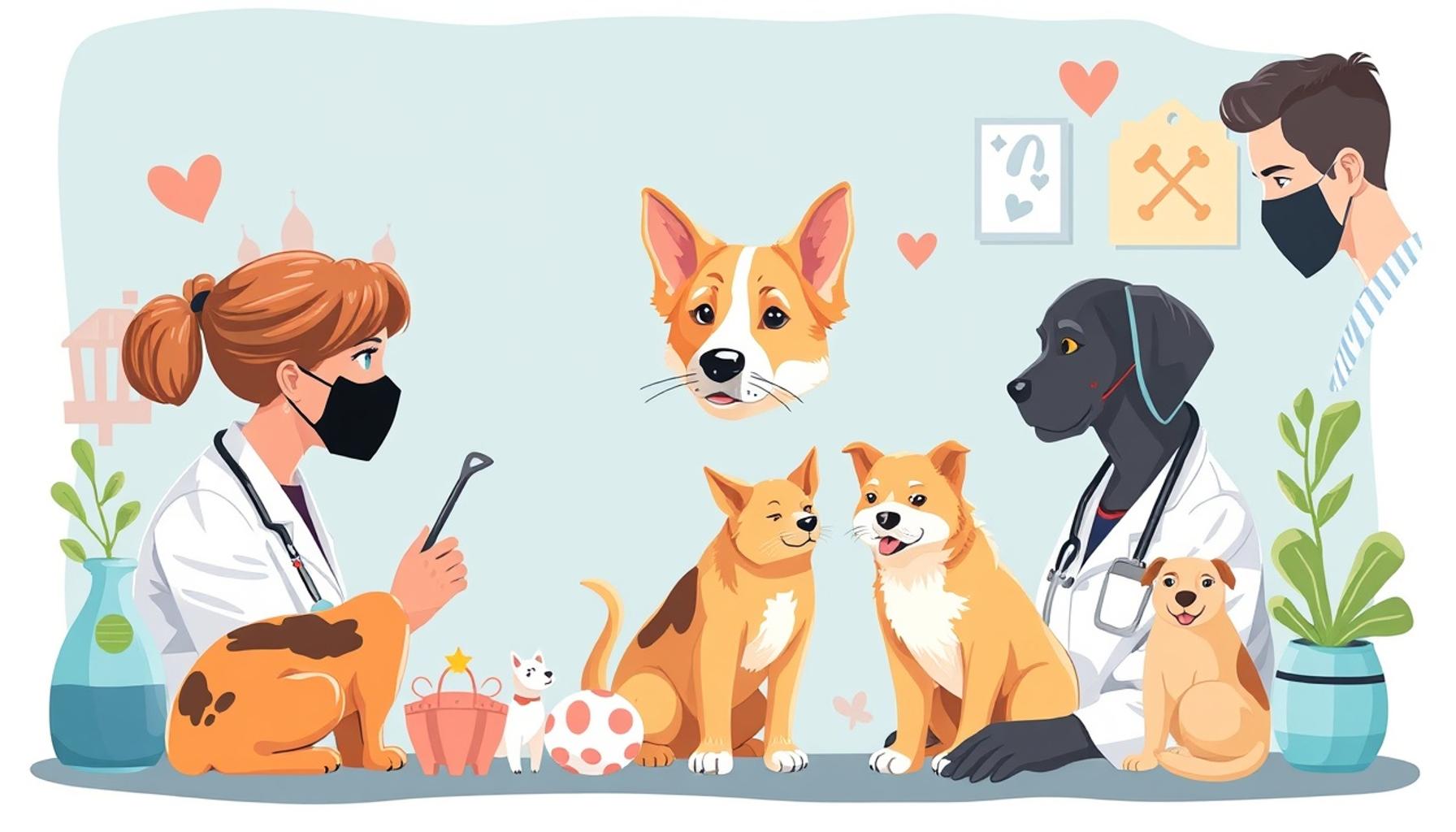
Championing Animal Welfare: The Vital Role of Veterinarians
Imagine a world where pets thrive in health and happiness, receiving the best care possible. At the heart of this vision lies a dedicated group of professionals: veterinarians. Their role extends beyond just treating illnesses; they are key champions of animal welfare. Through comprehensive medical care and unwavering commitment, veterinarians ensure that pets lead fulfilling lives while educating pet owners on the importance of proper care.
Comprehensive Medical Care and Preventive Treatments
Veterinarians play a pivotal role in providing essential medical care, diagnosing illnesses, and delivering appropriate treatments. Regular veterinary visits often include vaccinations, dental care, and health screenings, all designed to detect problems before they escalate. With conditions like heartworm and obesity on the rise, preventive care is increasingly vital. For example, the AVMA estimates that approximately 60% of dogs and cats are overweight or obese, leading to severe health complications. Through overweight management programs and nutritional counseling, veterinarians help pets maintain a healthy weight, ultimately affecting their longevity and quality of life.
Educating Pet Owners
Moreover, veterinarians engage pet owners in discussions about responsible pet ownership, which goes beyond just feeding and grooming. They provide guidance on socialization, exercise, and training techniques, ensuring that pets become well-adjusted members of their families. Workshops and informational sessions are often held in community centers, allowing veterinarians to extend their reach. By encouraging spaying and neutering, they also play a crucial role in reducing the number of homeless animals, directly addressing the overpopulation crisis faced by many shelters.
Advocacy and Community Involvement
The importance of their work is underscored by striking statistics. For instance, the American Veterinary Medical Association reports that there are approximately 106,000 veterinarians in the United States, each impacting countless lives every day. Their influence stretches from clinical practice to community involvement and advocacy. Veterinarians often collaborate with various organizations to promote humane practices within communities, driving initiatives such as vaccination drives and educational campaigns.
Enhancing Animal Welfare Initiatives
In their advocacy efforts, veterinarians conduct essential research on pet health and well-being, contributing to advancements in veterinary medicine that can improve care standards. They implement programs designed to reduce pet overpopulation, such as low-cost spay and neuter clinics, ensuring that all pets receive the chance of a loving home. Additionally, public awareness campaigns about animal rights often receive support from veterinary professionals who leverage their expertise to amplify the message.

An Inspiring Narrative of Commitment
As we delve deeper into the multifaceted contributions of veterinarians, we uncover an inspiring narrative of commitment, passion, and advocacy for the most vulnerable members of our families—our pets. Their relentless efforts pave the way for a brighter future for animals, creating communities where pets are cherished, cared for, and loved. With each successful treatment and educated owner, veterinarians work towards a society that values animal welfare and recognizes the bond shared between humans and their beloved pets.
DISCOVER MORE: Click here to find your family’s perfect pet
Holistic Approaches to Pet Care and Well-Being
Veterinarians offer more than just medical treatments; they provide holistic approaches that encompass both physical and emotional well-being for pets. Understanding a pet’s health requires a balance of factors, including diet, exercise, mental stimulation, and social interaction. This comprehensive viewpoint ensures that pets not only survive but thrive in their environments. By recognizing the interconnected nature of physical health and mental happiness, veterinarians advocate for specialized care options that address the individual needs of each animal.
The Importance of Behavioral Health
Behavioral issues are often considered a significant concern among pet owners, yet they frequently go unaddressed. Veterinarians are at the forefront of advocating for behavioral health, understanding that conditions like anxiety, aggression, and phobias can be mitigated with the right guidance and intervention. For instance, studies indicate that nearly 30% of dogs exhibit some signs of anxiety, prompting many veterinarians to incorporate behavioral assessments into routine check-ups. By diagnosing these conditions early, veterinarians can suggest behavioral modifications or collaborate with certified animal behaviorists to implement training programs.
Community Collaboration and Education
Veterinarians are instrumental in fostering community collaboration to promote animal welfare. They often partner with shelters, humane societies, and pet-related organizations to facilitate initiatives that benefit the collective well-being of pets. These partnerships may include:
- Free or low-cost vaccination clinics to ensure every pet receives essential immunizations.
- Pet wellness expos, where owners can learn about health and safety, and access a variety of pet services.
- Community outreach programs that educate pet owners about responsible pet ownership and the importance of spaying/neutering.
Such collaborative efforts not only enhance the health and welfare of pets but also empower communities to take an active role in reducing the number of stray and abandoned animals.
Advancing Veterinary Medicine
Furthermore, the commitment to animal welfare drives veterinarians to explore innovative treatments and stay abreast of the latest advancements in veterinary medicine. From telemedicine consultations that allow for remote evaluations to specialized surgeries and alternative therapies, veterinarians are expanding the scope of pet healthcare. According to the American Animal Hospital Association, approximately 40% of veterinary practices in the U.S. now incorporate telehealth options, reflecting a shift towards more accessible and efficient healthcare for pets.
By engaging in continuous professional development, veterinarians ensure that they can offer the best practices available, guiding pet owners toward informed decisions that benefit their furry companions in the long run. This evolving landscape of veterinary medicine ultimately aims to foster well-rounded, healthy, and happy pets in our homes and communities.
| Veterinary Education | Community Engagement |
|---|---|
| Understanding Animal Health | Animal Welfare Advocacy |
| Veterinarians undergo rigorous training which equips them with the knowledge to advocate for pets’ health and well-being. | Active participation in community programs allows veterinarians to raise awareness on animal welfare issues. |
Veterinarians are increasingly recognized as essential players in the promotion of animal welfare, especially when it comes to pets. Their specialized training provides them with a comprehensive understanding of animal health, enabling them to identify health issues and recommend preventive care. This, in turn, enhances the quality of life for pets, encouraging responsible pet ownership.Moreover, veterinarians are not limited to clinical practice; they also engage with their communities through educational outreach programs, often collaborating with local shelters and pet organizations. These initiatives help to inform pet owners about proper care and the significance of spaying or neutering, contributing to the overall welfare of animals in their care. Ultimately, the role of veterinarians extends beyond the examination room; they are champions for animal rights, and their influence can lead to lasting positive changes in how society views and treats its pets. Through continued advocacy, they pave the way toward a more compassionate world for animals.
DISCOVER MORE: Click here for inspiring success stories
Nutrition and Preventative Care as Pillars of Animal Welfare
Another critical aspect of a veterinarian’s role in promoting animal welfare is addressing nutrition and emphasizing preventative care. Proper nutrition is foundational to a pet’s health, directly influencing their longevity and quality of life. Veterinarians are equipped with the knowledge necessary to craft tailored dietary plans that meet the specific needs of each animal, taking into account factors such as age, weight, activity level, and any existing health conditions. For instance, certain breeds are predisposed to specific ailments that can be mitigated through a carefully balanced diet. By taking a proactive stance on nutrition, veterinarians emphasize the importance of feeding pets high-quality food that supports their overall health and vitality.
Preventative care encompasses routine veterinary visits, vaccinations, dental care, and parasite prevention. According to the American Veterinary Medical Association, approximately 45% of pets do not receive regular veterinary check-ups, which significantly limits the potential for early disease detection and intervention. Veterinarians play a pivotal role in educating pet owners about essential vaccinations, explaining the risks and benefits associated with each. Furthermore, they stress the significance of routine dental cleanings. Poor dental health not only leads to oral pain but can also contribute to serious systemic issues such as heart disease. Regular check-ups thus serve as a critical component of a comprehensive approach to pet welfare.
The Role of Veterinary Medical Associations
The promotion of animal welfare is bolstered by the efforts of various veterinary medical associations, which advocate for high standards of care and ethical practices in the veterinary field. Organizations like the American Veterinary Medical Association (AVMA) and the American Animal Hospital Association (AAHA) establish guidelines that veterinarians adhere to, ensuring that pets receive optimal care. These organizations also push for continuous education and advocacy initiatives that support humane treatment and the ethical practice of veterinary medicine. For instance, the AVMA offers resources that aid veterinarians in understanding emerging health issues, including zoonotic diseases that can affect both pets and humans.
Advocating for Legislative Reforms
Veterinarians also engage in advocating for legislative reforms that benefit animal welfare at a broader level. Many veterinarians take part in initiatives aimed at influencing policies related to animal cruelty, puppy mills, and pet overpopulation. Research shows that communities with strict animal welfare laws see a notable drop in cases of abuse and neglect. By leveraging their expertise, veterinarians can provide testimonies that inform lawmakers about the realities of veterinary work and the importance of animal welfare legislation. Such involvement underscores the veterinarian’s role not just in individual pet care but in shaping a society where animals are treated with respect and compassion.
Through these multifaceted approaches—addressing nutrition, advocating for preventative care, and engaging in legislative efforts—veterinarians serve as key players in the mission to enhance the welfare of pets across the United States. Their commitment not only enriches the lives of individual animals but also contributes to a broader culture of responsibility and compassion towards all living beings.
DISCOVER MORE: Click here for financing tips on pet adoption
Conclusion: The Vital Contribution of Veterinarians to Animal Welfare
In the intricate fabric of pet ownership, the role of veterinarians extends far beyond basic health care—it embodies a commitment to promoting animal welfare on multiple fronts. From emphasizing the importance of nutrition and preventative care to advocating for humane legislative reforms, veterinarians serve as indispensable advocates for pets and their wellbeing. By educating pet owners about the critical elements of proper care, such as regular check-ups, vaccinations, and tailored dietary plans, veterinarians not only ensure better health outcomes for individual animals but also foster a community of responsible pet guardians.
Their active involvement in organizations like the American Veterinary Medical Association (AVMA) and American Animal Hospital Association (AAHA) underscores their dedication to high standards of veterinary care and continuous learning. Furthermore, by championing legislative initiatives aimed at combating animal cruelty and promoting responsible pet ownership, veterinarians play a crucial role in shaping a society where animal welfare is prioritized across the board.
As we acknowledge the evolving dynamic between humans and animals, it becomes increasingly clear that veterinarians are at the forefront of fostering a culture rooted in compassion and respect for all living beings. Their contributions to enhancing the welfare of pets encourage us all to reevaluate our responsibilities as pet owners and advocates. Understanding the role of veterinarians in promoting animal welfare not only enriches our knowledge but also inspires action, urging us to support practices and policies that ensure a healthier, more humane future for our beloved pets.