Using Clicker Training to Enhance Your Pet’s Learning Experience

The Art and Science of Clicker Training
Every pet owner desires a harmonious bond with their furry friend. Clicker training offers a unique way to strengthen that connection while enhancing your pet’s learning experience. This method stands out for its simplicity and effectiveness, making it a popular choice among pet enthusiasts across the United States.
What exactly is clicker training? At its core, it involves using a small handheld device that makes a distinct clicking sound to mark desired behaviors. This technique is based on the principles of positive reinforcement, encouraging pets to repeat behaviors that earn rewards. For instance, when teaching a dog to sit, you would click the moment the dog sits down, followed immediately by a treat. This immediate feedback helps your pet understand exactly what action earned them the reward.
Benefits of Clicker Training
- Improves communication with your pet: Clicker training helps clarify the behaviors you want to encourage. The clear signal of the click allows pets to understand exactly which action is being rewarded, leading to better communication.
- Builds a strong foundation for complex training commands: Once your pet masters basic commands through clicker training, you can progress to more advanced tricks, such as rolling over or playing dead. This foundational skill makes complex learning easier and more enjoyable for both the pet and the owner.
- Enhances confidence in both pets and owners: As pets successfully learn new commands, they gain confidence in their abilities, leading to a more trusting relationship with their owners. Likewise, owners become more adept at training and recognizing their pet’s behaviors, bolstering their confidence.
Applicable to Various Pets
- Dogs of all breeds and sizes: Clever breeds like Border Collies are known for their intelligence and responsiveness to clicker training, but even more independent breeds like Bulldogs can benefit significantly from this technique.
- Cats, rabbits, and even birds! Surprisingly, clicker training isn’t limited to dogs. Many pet owners have found success training their cats to perform tricks, bunnies to jump through hoops, and even birds to mimic sounds using clicker techniques.
This fascinating training method not only sharpens your pet’s skills but also transforms the learning process into an engaging experience for both parties. As you delve deeper into the world of clicker training, you’ll discover innovative techniques that can help your beloved companion thrive like never before.
Ready to unlock your pet’s full potential? Getting started is simple. Begin with a clicker, some small, tasty treats, and a quiet space free from distractions. With patience and practice, you and your pet can embark on a rewarding journey that strengthens your bond and enhances their abilities. Dive into the world of clicker training, and you may be surprised at how much joy and learning await you both!
LEARN MORE: Click here to discover the impact of animal welfare organizations
Getting Started: The Basics of Clicker Training
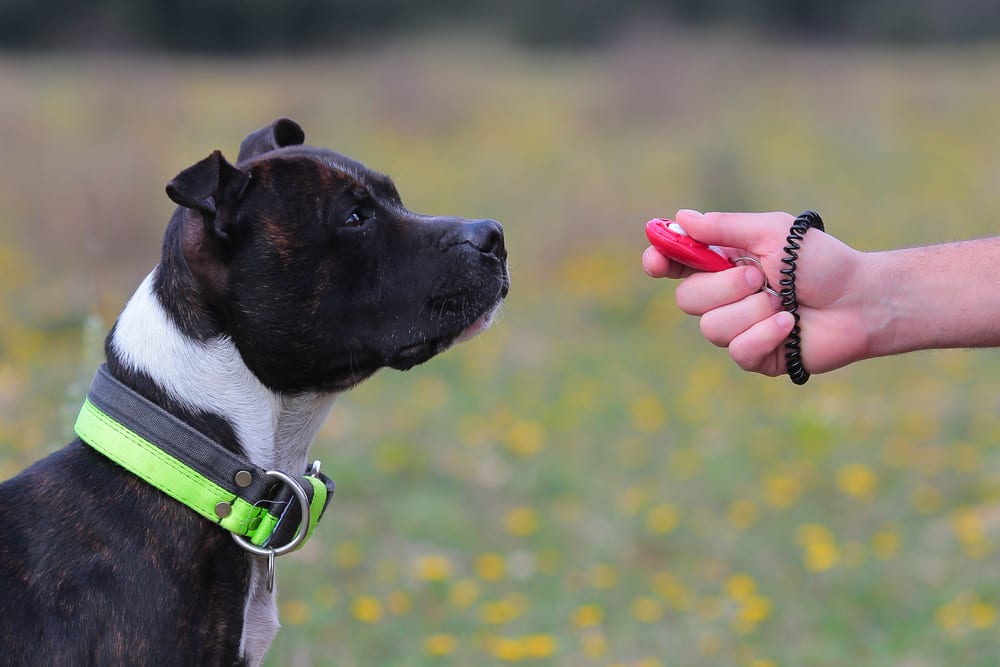
If you’re intrigued by the potential of clicker training to enhance your pet’s learning experience, it’s essential to grasp the fundamental components that make this method successful. The first step is familiarizing your pet with the clicker itself. Allow your furry companion to investigate the clicker, associating the sound with something positive. You can do this by clicking and immediately offering a treat, helping your pet associate the sound with reward.
Establishing the clicker as a tool for communication is vital to the training process. Here are a few simple steps to follow:
- Choose the right clicker: Opt for a clicker that feels comfortable in your hand and produces a sound that is distinct but not startling to your pet. Many trainers prefer a clicker that allows for a soft, quick click that can be easily controlled.
- Set the environment: Begin in a quiet, distraction-free area. This helps your pet focus on you and the training session. Over time, as your pet masters commands, you can gradually introduce distractions to reinforce the skills learned.
- Keep it short and fun: Sessions should last no longer than 5 to 10 minutes to keep your pet engaged. Frequent short training sessions are far more effective than longer, drawn-out ones that may lead to frustration.
Understanding the timing of the click is another crucial element. The click should occur the moment the desired behavior happens, ensuring that your pet associates the action with the reward. For example, when you’re teaching your dog to shake hands, click at the precise moment your pet raises their paw. This immediate feedback reinforces the connection between the action and the positive reinforcement.
Common Mistakes to Avoid
Although clicker training is a powerful tool, novice trainers can sometimes make errors that hinder progress. Here are some pitfalls to avoid:
- Inconsistent clicking: Always click for the desired behavior. Being inconsistent can confuse your pet and lead to uncertainty about which behaviors are being rewarded.
- Delayed rewards: Immediate reinforcement is key. If there’s a delay between clicking and rewarding, your pet may not understand what they are being rewarded for, diminishing the training’s effectiveness.
- Using the clicker as a punishment: Remember that clicker training is based on positive reinforcement. Never use the clicker to signal disapproval; this will erode trust and communication between you and your pet.
With these foundational elements in place, you’re on the path to creating a meaningful and effective learning environment for your pet. Clicker training not only enhances their ability to learn commands but also fosters a relationship built on trust and understanding. As you embark on this training journey, remember that each click is a step toward enriching your pet’s learning experience and your bond together.
| Advantage | Details |
|---|---|
| Effective Communication | Clicker training bridges the communication gap between you and your pet. The click sound signifies a behavior that you wish to reward, providing clear feedback. |
| Positive Reinforcement | This method fosters a friendly learning environment. By rewarding your pet with treats or praise after the click, you encourage desired behavior rather than using punishment. |
Clicker training has gained popularity for its ability to transform the way pets learn. The essence lies in consistent feedback; the sound of the clicker serves as a clear indicator of correct actions. This precision is crucial in enhancing learning experiences for pets. It allows owners to achieve measurable results quickly, making the learning both enjoyable and efficient. Additionally, the focus on positive reinforcement creates a bond of trust, ensuring that your pet associates training with a happy and rewarding atmosphere. The outcome? An engaging, effective training routine that can lead to an enriched relationship with your furry friend, paving the way for new skills and behaviors to emerge seamlessly. Whether you’re tackling basic commands or complex tricks, clicker training sets the stage for a fun-filled learning adventure.
DISCOVER: Click here to learn more about positive reinforcement
Advancing Your Training: Building on Success
Once your pet has grasped the basics of clicker training, it’s time to elevate the training sessions to new heights. This involves introducing new commands, more complex behaviors, and the foundation for real-life applications. The beauty of clicker training lies in its versatility; it is not only effective for teaching simple commands but can also be a powerful way to modify behaviors or solve behavioral issues.
Translating Basics into Complex Behaviors
With a solid foundation, you can teach advanced commands such as rolling over, playing dead, or even more intricate tricks like fetching specific items on command. To begin with, break each advanced behavior into smaller, manageable steps. For instance, if you want to teach your dog to roll over, first reward them for lying down, then click for shifting their weight towards one side, and gradually progress to the full roll. This method of breaking down behaviors into smaller components is often referred to as “shaping” and allows you to build a complex behavior while still providing praise and rewards along the way.
- Shaping New Behaviors: This involves reinforcing successive approximations of a desired behavior. As your pet gets closer to the full action, you keep the click and treats flowing to motivate them.
- Generalization of Skills: Once your pet has mastered a command in a controlled environment, it’s essential to practice in varying locations and situations. This helps them understand that the command applies in various contexts, reinforcing their learning.
Using Clicker Training for Behavioral Modification
Clicker training is equally effective in addressing behavioral issues. For example, if your dog exhibits excessive barking, you can click and reward them when they are quiet. By consistently clicking during moments of silence, your dog learns that quiet behavior brings positive outcomes. This principle works for other unwanted behaviors too, such as jumping on guests or pulling on the leash during walks. Instead of punishing undesirable actions, the focus remains on rewarding the behaviors you want to encourage, leading to a more positive learning experience.
Integration into Daily Life
Don’t limit clicker training to formal sessions; integrate it into daily interactions with your pet to reinforce learning. For example, if your pet walks nicely beside you while on a leash, seize the moment! Click and treat during the walk to reinforce this preferred behavior outside the training confines. This not only solidifies the behaviors but also makes the learning process more dynamic and enjoyable for both you and your pet. By incorporating clicker training into everyday activities, you strengthen the bond between you and your pet, making training a natural and rewarding experience.
Tips for Long-Term Success
The journey doesn’t end once your pet masters a few commands. Consistency is key in maintaining the skills learned through clicker training. Here are some strategies to ensure continued success:
- Regular Practice: Engage in brief training sessions regularly, even after your pet has learned commands. This keeps the skills fresh and strengthens your pet’s confidence.
- Consistency in Cues: Use consistent verbal and visual cues for commands. This consistency helps to eliminate confusion and solidifies your pet’s understanding.
- Positive Environment: Ensure training remains a fun and rewarding experience. Avoid frustrations that can arise from unrealistic expectations and celebrate small victories along the way.
By building upon the fundamentals of clicker training and expanding into more complex behaviors, you not only open new avenues for learning but also promote a deeper, more trusting relationship with your pet. As each click echoes through your training sessions, your bond strengthens, turning education into an enriching journey for both of you.
DISCOVER MORE: Click here to learn about positive reinforcement
Conclusion: Maximizing the Benefits of Clicker Training
In summary, clicker training serves as an engaging and effective method to enhance your pet’s learning experience, fostering not just obedience but also a profound bond between you and your furry companion. As you’ve seen, the principles of shaping behaviors, reinforcing positivity, and generalizing skills can transform even the simplest commands into complex and interactive routines. By integrating this training approach into your daily life, you’re not only solidifying learned behaviors but also enriching the quality of each moment spent together.
Moreover, the adaptability of clicker training makes it an invaluable tool in addressing behavioral challenges without resorting to adverse methods. This positive reinforcement strategy allows pet owners to tackle issues like excessive barking or leash pulling in a constructive manner, promoting long-term behavioral change rather than temporary fixes. The focus remains on what you wish to encourage, creating a more harmonious living environment.
For lasting success, remember to maintain consistency in your training sessions, ensure a fun and positive atmosphere, and celebrate all progress, no matter how small. As each click resonates through your sessions, remember that every moment is an opportunity for learning and connection, unveiling the full potential of your pet’s abilities. Embrace the journey of clicker training, and watch your shared experiences grow into a joyful exploration of trust, communication, and companionship.