Using Target Training to Enhance Your Pet’s Learning Experience
Unlocking the Potential of Your Pet
When it comes to enhancing your pet’s learning experience, few techniques are as effective and rewarding as target training. This method not only encourages animals to learn new behaviors but also establishes a deeper bond between pet and owner. At its core, target training involves teaching your pet to touch or interact with a designated target, which can be anything from a stick with a ball at the end to a simple hand gesture. This clear directive creates a straight path for your pet to follow, facilitating a rewarding learning experience.
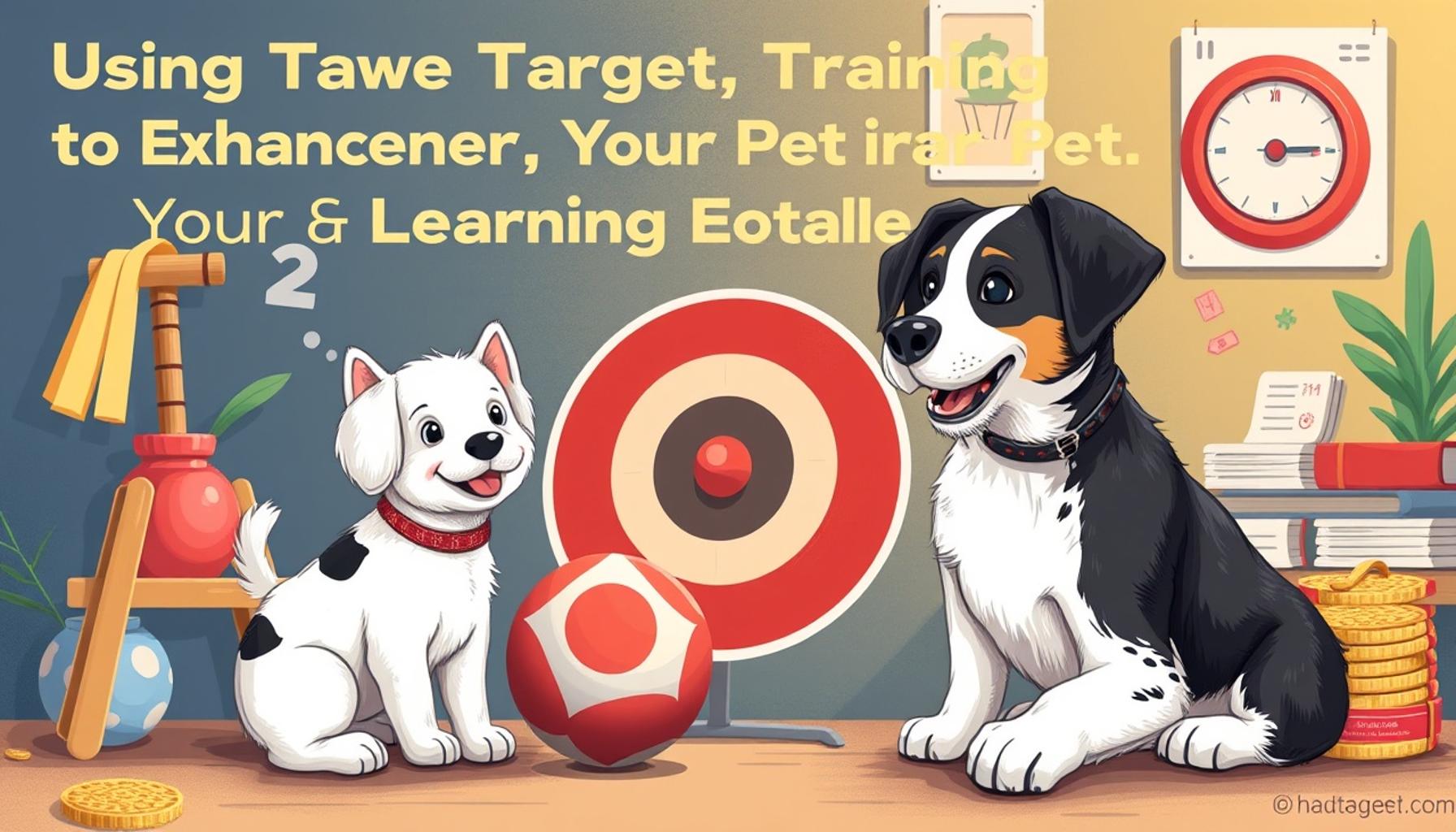
One of the major advantages of target training is that it enhances focus. When you introduce a target, it offers pets a specific goal, helping them to maintain their attention and concentrate on the task at hand. Imagine a dog, fixated on a bright red target instead of being distracted by the noises from the neighbor’s yard. This is particularly useful in households with multiple pets or young children, where distractions abound.
Another key benefit is that target training reduces frustration. By allowing animals to learn at their own pace, you can decrease stress and anxiety often associated with traditional training methods. For instance, a cat might take a little longer to grasp a new trick, but with target training, they can explore the task without the fear of failure. Rather than feeling pressured to perform, they engage in a more relaxed learning experience.
Additionally, this method encourages interaction and communication between pets and their owners. The process of guiding your pet to a target fosters teamwork and cooperation, creating a stronger relationship. For example, a parakeet that has learned to fly to a target can enjoy a more interactive session with their owner, enhancing the emotional bond while also getting some much-needed exercise.
What’s remarkable is the versatility of target training; it’s not just limited to dogs. It can be effectively applied to a variety of species, including cats, birds, and even reptiles. This adaptability means that pet owners can utilize this method regardless of their pet type, broadening the scope of enrichment activities available. A tortoise, for example, can be taught to reach its favorite food item, enhancing its mental stimulation while also making feeding time more engaging.

In this article, we are set to delve into the principles of target training further, offering practical tips to facilitate your journey. Additionally, we’ll showcase success stories from pet owners across the United States, demonstrating how this innovative training approach has revolutionized their pets’ learning experiences. Whether you’re looking to teach your puppy to sit or your cat to high-five, prepare to discover the immense potential of target training and how it can transform your pet’s learning journey!
DISCOVER MORE: Click here to dive deeper
Understanding the Basics of Target Training
To fully appreciate the benefits of target training, it’s essential to understand its foundational concepts and methods. Target training takes advantage of an animal’s natural behaviors and instincts. At its essence, it capitalizes on the principle of operant conditioning, which establishes that animals are more likely to repeat behaviors that are rewarded. By teaching a pet to interact with a target, owners can employ this principle effectively, leading to improved learning experiences and stronger compliance.
At the heart of target training is the use of a defined target, which can vary to suit different pets. Common targets include:
- Target sticks: These can be simple homemade tools or professionally designed ones that have a brightly colored tip to attract attention.
- Fingers or hands: In some cases, owners can use their own fingers as a target, making interactions more personal and flexible.
- Visual markers: Objects like colored bowls or flashy toys can serve as excellent targets, particularly for animals that respond well to visual stimuli.
When starting with target training, consistency is key. It’s crucial to introduce the target in a calm environment, free from distractions, so that your pet can focus. The first step is to encourage your pet to touch the target with their nose, paw, or beak, depending on the species. This initial interaction should be met with positive reinforcement, such as treats or praise, to establish a connection between the behavior and the reward.
Throughout the training process, it is advisable to keep sessions short and engaging. Pets, much like humans, have varying attention spans, and training for too long can lead to frustration. Short, frequent sessions not only keep your pet engaged but also help to solidify learned behaviors in their memory. Incorporating play and praise can turn the training experience into a fun game rather than a chore.
As your pet becomes familiar with the target, you can gradually increase the difficulty of tasks. For example, once your dog can reliably touch a target when placed in front of them, you can challenge them to move to the target from a greater distance. Such progressive learning not only keeps your pet mentally stimulated but also offers a sense of accomplishment and confidence when they succeed.
Moreover, it’s essential for pet owners to observe their animals closely during training. Each pet is unique, and understanding their individual reactions will help tailor the experience. Do they respond better to verbal commands or visual cues? Are they more motivated by toys or treats? These insights can significantly enhance the effectiveness of the training.
In summary, target training is a multifaceted technique that encourages an array of abilities in pets. By taking advantage of the natural instincts of animals and the principles of operant conditioning, it serves not only as an innovative training method but also as a way to cultivate a deeper relationship between pet and owner. In the subsequent sections, we will explore some practical tips and strategies to optimize your target training experience further, helping you and your beloved pet unlock the full extent of this method.
| Advantages | Description |
|---|---|
| Enhanced Focus | Target training draws your pet’s attention, resulting in greater concentration during lessons. |
| Positive Reinforcement | This method encourages learning through rewards, which fosters motivation and engagement. |
Target training is a revolutionary approach that can significantly enhance your pet’s learning trajectory. By utilizing a targeted method, owners can direct their pet’s attention precisely where it needs to be, leading to improved understanding of commands and behaviors. The effectiveness of this training style is underscored by its reliance on positive reinforcement. When pets associate good behavior with a reward, they are more likely to repeat those behaviors, making learning not only effective but also enjoyable for both the pet and the owner. This technique can lead to quicker mastery of tasks, making it especially useful for both pets and their trainers. As you explore target training, you’ll discover countless creative applications, from basic obedience to more complex tricks, all achieved through engaging and fun-filled sessions.
LEARN MORE: Click here for insights on preventive health in pets
Expanding on Target Training Techniques
Once the foundational skills of target training are established, pet owners can explore a myriad of advanced techniques to further enhance their pets’ learning experiences. These techniques not only build upon the simple act of touching a target but can also incorporate various forms of enrichment and skills development, providing a well-rounded training regimen.
Incorporating Challenges
One effective way to advance target training is by introducing challenges that require your pet to think critically and problem-solve. For instance, you can place the target at different heights or angles to encourage your pet to adjust their approach. This could mean raising the target higher on a wall or even balancing it on an object, forcing your pet to navigate obstacles as they reach for the target. Such modifications create a stimulating environment that keeps your pet mentally engaged.
Multi-Target Techniques
As your pet improves in their target training abilities, consider employing the use of multiple targets. This can be an exciting way to teach your pet functional behaviors or cues. For example, training a dog to move between several targets on-command can teach them more controllable movement and spatial awareness. Start by positioning multiple targets at varying distances and encouraging your dog to move between them. This approach not only challenges their learning but also enhances their attention and focus.
In multi-target exercises, timing is crucial. As your dog successfully moves from one target to another, immediate praise or a small treat will reinforce their behavior. Moreover, a clicker can be an effective tool during this stage, allowing for precise timing of the reward and enhancing the learning experience.
Augmenting with Scent Training
Integrating scent training with target training can open up a world of opportunities, especially for animals like hounds or certain exotic birds that have strong olfactory senses. By associating a particular scent with a target, you can teach your pet to “find” the target based on its scent alone. For example, placing a specific scent near a target stick teaches the animal to locate it based on their sense of smell, rewarding them with treats or praise when they succeed.
Social Learning Through Group Training
For pet owners with more than one animal or those who participate in group classes, social learning can significantly enhance the target training experience. Animals often learn from observing others. Arranging playdates with other well-behaved pets can foster a fun atmosphere where pets observe and mimic commands or behaviors. This process of social learning can sometimes lead to faster learning curves as pets witness their peers successfully completing tasks.
Breaking Stereotypes and Promoting Bonding
Target training is not just limited to traditional pets like dogs and cats. Birds, reptiles, and small mammals can also benefit greatly from this approach. Teaching a bird to land on a target stick or having a rabbit hop over to a colored bowl not only challenges their mental prowess but also strengthens the bond between pet and owner. As pet owners engage in this training, they often find themselves forming deeper connections with their pets, creating trust and improving communication.
Moreover, target training offers a unique opportunity to break typical stereotypes surrounding certain breeds or species. Many pet owners might underestimate their animal’s ability to learn complex tasks. By utilizing the target training method, you can uncover hidden talents and potential within your pet, leading to a more enriched and fulfilling relationship.
Engaging in target training not only fosters a fun and interactive learning environment but also equips pets with essential skills that promote safety and compliance in various situations. With creative extensions of the basic principles, owners can integrate challenges, social interactions, and new sensory experiences that keep their pets engaged and eager to learn.
DISCOVER MORE: Click here to learn about how diets affect your pet’s lifespan
Conclusion: The Transformative Power of Target Training
In summary, target training offers a multifaceted approach to enhancing your pet’s learning experience, proving to be an invaluable tool for pet owners seeking to foster a deeper connection with their animals. By incorporating advanced techniques such as challenges, multi-target exercises, and scent training, you not only stimulate your pet’s mental capabilities but also create a dynamic environment conducive to learning.
Engaging in group training can further amplify the benefits of target training by capitalizing on social learning, allowing pets to observe and learn from one another. This interaction not only breaks down barriers of typical behavioral stereotypes surrounding various breeds but can lead to remarkable discoveries in your pet’s innate abilities. Additionally, fostering this communication enhances trust and strengthens the bond between pet and owner.
The versatility of target training extends beyond dogs and cats; a myriad of species including birds and reptiles can thrive under its structured guidance. By recognizing and embracing the potential of these techniques, pet owners can unlock new dimensions of learning, ensuring that every training session is both fun and productive.
As you embark on or continue your journey with target training, remember that the experience not only enriches your pet’s skills but also provides moments of joy and connection, making every effort worthwhile. Explore, experiment, and enjoy the transformative impact of target training on your pet’s life.