Understanding Clicker Training: A Step-by-Step Guide

Understanding the Basics of Clicker Training
Clicker training is an innovative and highly effective method for teaching animals new behaviors, widely utilized in dog training yet easily adaptable for a range of pets, including cats, birds, and even marine mammals. This technique utilizes a small handheld device that emits a distinct sound, or “click,” as a way to mark a desired behavior the instant it happens. The essence of its effectiveness lies in immediate reinforcement, which helps animals associate their actions with the resulting reward.
At the heart of clicker training is the concept of positive reinforcement. This approach encourages desired behaviors by rewarding them, rather than relying on punishment or corrections. For example, if a dog sits on command and you click the device followed by a treat, the dog learns to make the connection between sitting and receiving a reward. This method not only instills a clearer understanding of what you want from your pet but also promotes a more pleasant training experience.
Another vital aspect of clicker training is the clear communication it provides. The sound of the clicker acts as instant feedback, creating an immediate bridge between behavior and reward. For instance, if you’re teaching a bird to step onto your hand, the click signals their right choice just as it occurs, making it easier for them to understand what action you’re reinforcing.
One of the most appealing features of clicker training is how easy to learn the process is for both pets and their owners. New trainers may find the simplicity of the click-and-treat method refreshing, as it creates a structured yet flexible learning environment. You don’t need to be an expert to get started—many resources are available, from instructional videos to local training classes, making this method accessible to anyone willing to invest time and patience.
The Science Behind Clicker Training
The principles of clicker training are rooted in behavioral psychology. The clicker serves as a *conditioned reinforcer*, meaning its sound becomes associated with positive outcomes after repeated pairings with rewards like treats or praise. Scientific studies have shown that animals respond more quickly and reliably to this type of training, which emphasizes timing over traditional methods.
Tools You Need for Successful Training
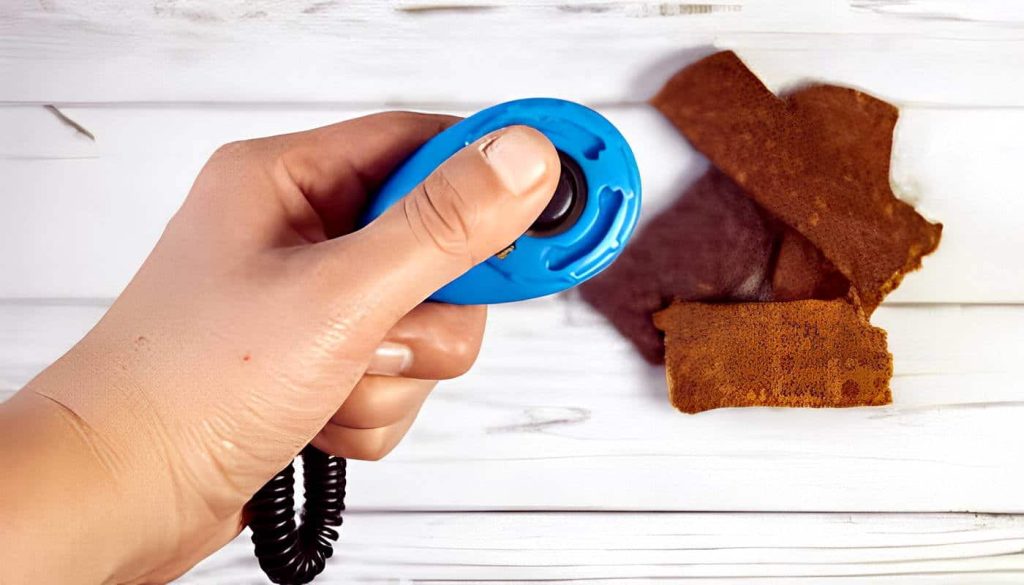
To get started with clicker training, you will need a clicker (available at pet stores or online), treats that your pet enjoys, and, importantly, consistency and patience. It’s essential to choose the right treats—something small and palatable works best, as you want to maintain your pet’s focus and enthusiasm without overfeeding.
Practical Steps to Get Started with Your Pet
- Create a distraction-free environment where your pet can focus on training.
- Introduce the clicker by clicking it and immediately providing a treat, allowing your pet to associate the sound with a reward.
- Start teaching simple commands like “sit” by clicking as soon as your pet performs the action and then rewarding them.
- Gradually increase the complexity of behaviors as your pet learns, always ensuring to mark and reward appropriately.
By diving into the principles and practices of clicker training, you can discover a powerful tool for enhancing your bond with your pet and expanding their repertoire of commands. This method not only nurtures a harmonious relationship but also significantly boosts your pet’s confidence and eagerness to learn. Are you ready to embark on this intriguing journey into the world of clicker training?
LEARN MORE: Click here for insights on preventive health for pets
The Science Behind Clicker Training
At its core, clicker training is built upon the principles of behavioral psychology, specifically operant conditioning—a term popularized by psychologist B.F. Skinner. This method revolves around the concept that behaviors can be encouraged or discouraged through the use of rewards or consequences. In clicker training, the clicker serves as a *conditioned reinforcer*, a tool that marks a desired behavior at the exact moment it occurs. This immediate feedback is crucial, as it helps solidify the animal’s understanding and association of the behavior with subsequent rewards.
Research has shown that animals trained using clicker techniques often exhibit faster learning rates and retain information better compared to those trained with traditional methods that rely on physical corrections or verbal reprimands. A study from the University of Florida revealed that dogs trained with a clicker were not only quicker to learn commands but also displayed a more enthusiastic willingness to participate in further training sessions. This shift in focus from punishment to positive reinforcement means that both the trainer and pet are likely to experience a more rewarding training journey.
Tools You Need for Successful Training
To embark on your clicker training adventure, the first step is to gather a few essential tools. These include:
- A clicker: This small, handheld device produces a distinct “click” sound when pressed. It’s readily available at pet stores or online retailers.
- High-value treats: Choose small, tasty morsels that your pet loves. Treats should be easy to consume quickly to maintain your pet’s focus during training.
- Patience and consistency: Perhaps the most vital tools of all, successful training requires dedication to practice regularly and the commitment to be consistent in your commands and rewards.
Practical Steps to Get Started with Your Pet
Before jumping into teaching your pet specific tricks or commands, it’s essential to set the stage for successful clicker training. Follow these straightforward steps to help facilitate a productive learning environment:
- Create a distraction-free area: Find a quiet space where you won’t be interrupted. This will help your pet focus on you and the training process.
- Introduce the clicker: Start by clicking the device and immediately giving your pet a treat. Repeat this process until they associate the click sound with receiving a reward.
- Begin with simple commands: Start with easy tasks like “sit.” Click the moment your pet behaves as desired, followed by a treat. This builds a clear connection between their action and the reward.
- Gradually increase complexity: Once your pet has mastered the basics, slowly introduce more complicated commands or behaviors, continuously marking and rewarding their successes.
By understanding the science and tools behind clicker training, you position yourself and your pet for a successful journey into enjoyable learning. Not only will this method encourage better obedience, but it can also deepen the bond between you and your furry companion by promoting trust and mutual respect. Are you excited to discover how the clicker can transform your training sessions?
Understanding Clicker Training: A Step-by-Step Guide
Continuing on the journey into clicker training, it’s essential to explore the core components and benefits of this technique. Using a clicker simplifies the process of training animals through positive reinforcement, based on the principle of operant conditioning. The distinctive sound of the clicker serves as a marker to indicate the exact moment a desired behavior is displayed, thus enhancing communication between the trainer and the animal.
The steps of clicker training involve:
- Charging the Clicker: This is where the animal learns to associate the sound of the clicker with a reward, typically a treat. Start by clicking and immediately providing a treat, repeating this several times until the animal anticipates the reward upon hearing the click.
- Defining Desired Behavior: Clearly define what behavior you want to train. For instance, if training a dog to sit, use the clicker to mark the moment the dog sits down.
- Reinforcement: After marking the behavior with a click, follow up with praise or a treat. Consistency is key—click every time the desired action is performed correctly.
- Phasing Out the Clicker: Once the behavior is reliably exhibited, begin to fade the dependence on the clicker, reinforcing the behavior with treats or praise instead.
This method of training is beneficial not only because it fosters a strong bond between handler and animal but also because it allows for better understanding of the learning process. The clear communication provided by the clicker helps in swiftly correcting undesired behaviors and reinforces good ones.
| Advantages | Characteristics |
|---|---|
| Clear Communication | The sound of the clicker marks the exact behavior desired, reducing confusion. |
| Positive Reinforcement | Encourages the animal to repeat the desired behavior positively without fear. |
With its focus on positive reinforcement and clear communication, clicker training has gained popularity among pet owners, trainers, and animal caregivers alike. Learning this technique not only enhances the human-animal relationship but opens the door for deeper understanding of animal behavior. Are you ready to take the next step in your training journey?
LEARN MORE: Click here for valuable resources
Common Mistakes to Avoid in Clicker Training
Understanding clicker training is not just about knowing what to do; it’s equally important to recognize common pitfalls that can undermine your efforts. Many pet owners embark on clicker training with fervor but may inadvertently fall prey to mistakes that inhibit their pets’ learning. Here are some frequent missteps to watch out for:
- Inconsistent Timing: One of the most critical elements of clicker training is timing. If you click too late or too early, your pet may become confused about what behavior they are being rewarded for. Practice timing your clicks to coincide accurately with the desired behavior to reinforce the correct action effectively.
- Using the Clicker Too Often: The clicker should be a tool reserved for marking specific behaviors. Overusing the clicker, especially in situations where you’re not teaching a new behavior, can diminish its effectiveness. Reserve clicks for times when your pet executes a behavior you want to encourage.
- Neglecting the Power of Gradual Progression: While it may be tempting to rush your pet into advanced training, it’s crucial to build a strong foundation first. Ensure that your pet fully understands simpler commands before progressing to more complex tasks. This gradual increase in difficulty helps avoid frustration for both you and your pet.
- Requiring Perfection: Leash pulling or jumping might seem annoying behaviors, but patience is essential when reinforcing new commands. Expecting your pet to perform flawlessly right away can lead to discouragement. Celebrate small successes and recognize that learning is a gradual process.
Understanding Behavioral Cues
Part of the clicker training process involves learning to read your pet’s behavioral cues. Different animals express themselves uniquely, and understanding these signs can significantly enhance your training session. For instance, a dog that sits and stays may still exhibit tail wags or perked ears that signify excitement and eagerness to learn. Paying attention to these subtle signals helps create an engaging and positive atmosphere during training. Conversely, if your pet shows signs of stress—such as panting, yawning, or turning away—it might be time to take a step back and reassess your approach.
Another crucial aspect of reading behavioral cues is understanding your pet’s motivation levels. Not all treats or rewards will excite every animal. Identifying what truly motivates your pet can lead to better engagement during training sessions. For some dogs, small pieces of chicken may work wonders, while others might be motivated by playing with a favorite toy or receiving a belly rub. Tailoring your rewards to your pet’s personal preferences can enhance their training experience significantly.
Incorporating Clicker Training into Daily Life
Clicker training isn’t solely confined to explicit training sessions. One of the most effective methods to solidify your pet’s learning is through integrating training into your daily routine. Use the clicker to reinforce good behavior in everyday situations, from calmly greeting guests to walking nicely on a leash. This consistent practice helps to engrain positive behaviors and can make everyday life easier for both you and your pet.
Lastly, remember that the journey of clicker training is about building a relationship with your pet based on trust and understanding. As you navigate the ups and downs, the clicker serves as a bridging tool that enhances communication. So, the next time you reach for that clicker, think of it not just as a training device but as a means to foster a deeper connection with your furry friend.
DISCOVER MORE: Click here to learn about engaging your pet’s natural instincts
Conclusion: The Pathway to Positive Reinforcement
In conclusion, understanding clicker training offers pet owners a powerful method to communicate effectively with their furry companions. By breaking down the training process into manageable steps, this approach not only caters to the unique learning styles of different animals but also nurtures the bond between pets and their owners. From the fundamental principles of timing and consistency to recognizing behavioral cues, each aspect of clicker training enhances the overall experience.
Moreover, avoiding common pitfalls can be instrumental in successfully implementing this training technique. It is essential to remember that patience and gradual progression are crucial for fostering a positive learning environment. Through careful observation and adaptation, owners can customize their training methods to align with their pets’ individual motivations, whether that be food treats or cherished playtime.
Integrating clicker training into everyday life transforms how pets respond and interact with their environment. By consistently rewarding desirable behaviors in real-life situations, pet owners can reinforce positive habits while making daily routines more enjoyable. Ultimately, the true essence of clicker training lies not just in teaching commands but in building a deep-seated relationship based on mutual respect and understanding.
As you embark on this rewarding journey, keep in mind that clicker training is not just about training your pet; it’s about celebrating the small victories, learning together, and cherishing the special moments you share. By adopting this method, you empower yourself and your pet to thrive together in a harmonious relationship.