Using Clicker Training to Enhance Your Pet’s Learning Experience

Enhancing Your Pet’s Learning Journey
Are you looking for an effective way to enhance your pet’s learning experience? Clicker training offers an engaging and rewarding method to teach your furry friend new tricks and behaviors. This innovative technique has gained popularity among pet owners and trainers due to its effectiveness in fostering a strong bond between pets and their humans.
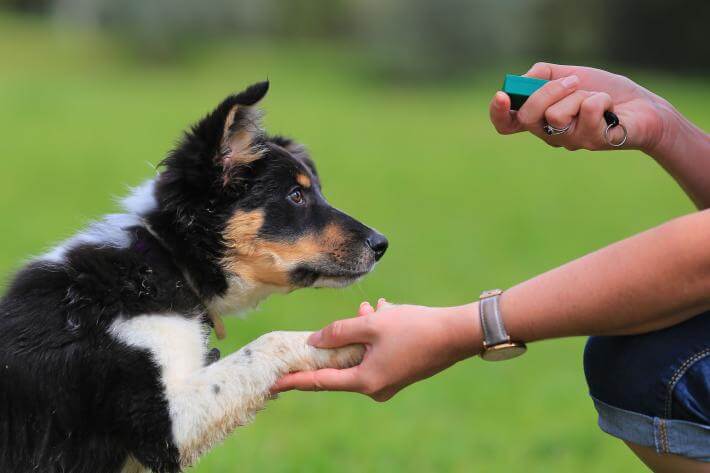
At its core, clicker training employs a distinct sound produced by a handheld device to mark the desired behavior, followed by a reward, usually in the form of treats or positive reinforcement. This creates a positive association, helping pets learn through clear and concise communication. It’s not just limited to dogs; clicker training can also greatly benefit other animals, including:
- Cats: Surprisingly, felines can grasp concepts and commands quickly with clicker training, such as sitting on command or performing tricks like high-fives.
- Birds: Many bird enthusiasts have found that parrots and other birds respond well to clicker training, learning to mimic sounds or perform impressive feats.
- Rabbits: Rabbits are intelligent creatures and can learn various skills, like navigating obstacle courses or performing simple tricks.
- Other small animals: Guinea pigs, ferrets, and even rats can be trained using this technique, expanding the list of possible companions that can benefit from this training method.
Curiosity piqued? Here are some remarkable advantages of embracing clicker training:
- Clear communication: The unique click sound conveys instant feedback, allowing pets to understand exactly what behavior earned them a reward.
- Positive reinforcement: Rather than relying on corrective measures, this approach encourages eagerness to learn and participate, fostering a more enjoyable experience for both pet and owner.
- Effective learning: Pets are more likely to repeat behaviors that earn rewards, leading to quicker mastery of new skills and commands.
As you delve into the world of clicker training, you will uncover countless methods to enhance your pet’s communication and behavior. Activities can range from basic commands like “sit” or “stay” to fun tricks like rolling over or playing dead, making training a delightful game rather than a chore. Prepare to deepen your bond with your companion while enriching their learning journey!
DIVE DEEPER: Click here to learn more
The Science Behind Clicker Training
Understanding the mechanics of clicker training empowers pet owners to effectively use this method with their animals. At its foundation lies the principle of operant conditioning, a behavioral psychology theory developed by B.F. Skinner. This approach emphasizes that behaviors followed by positive outcomes are more likely to be repeated, while behaviors not reinforced will diminish over time. Clicker training capitalizes on this principle, making it a compelling tool for anyone looking to enhance their pet’s learning experience.
The actual click sound serves as a precise marker that indicates which behavior is being rewarded. This immediate feedback is essential because it helps pets connect the action with the reward almost instantaneously. For instance, if you want your dog to learn the command “sit,” you would click the moment their rear end touches the ground, followed by a treat. Over time, this creates a clear association, allowing your pet to understand exactly what you would like them to do.
Getting Started with Clicker Training
Before diving into the actual training sessions, it’s important to have the right tools at your disposal. You will need:
- A clicker device: These devices are inexpensive and easy to use. Look for a clicker that produces a clear, distinct sound; this will help your pet recognize the sound easily.
- Treats: Choose small, tasty rewards that your pet loves. Ensure they are easily consumable, allowing for quick reward delivery to maintain your pet’s focus.
- Patience: Learning a new skill takes time for both you and your pet. Be prepared for some trial and error as you discover the best methods that work for your unique companion.
Establishing a training routine is equally critical. Set aside specific times each week for training sessions, ideally in short bursts of about 5-10 minutes. Keep in mind that pets, much like children, have limited attention spans. Consistency is key; regular practice will lead to noticeable progress and help reinforce learning.
Tailoring the Experience
Recognizing that each pet has individual learning styles and paces is essential for success. Some animals may excel with visual cues, while others respond better to verbal commands. Observe your pet closely, mixing methods and techniques to identify what works best for them. For instance, if your dog appears confused by voice commands, supplement your instructions with hand signals or even body movements. The goal of clicker training is to create a customized learning experience that not only educates but also entertains!
In essence, clicker training is an enlightening avenue for fostering a more interactive and rewarding relationship with your pet. By utilizing positive reinforcement techniques, establishing a solid training foundation, and tailoring the experience to your pet’s needs, you will be well on your way to transforming your pet’s learning journey into one filled with joy and success.
| Advantages | Description |
|---|---|
| Positive Reinforcement | Clicker training utilizes positive reinforcement, which encourages your pet to repeat desired behaviors by immediately marking them with a click. |
| Improved Communication | It fosters a clear line of communication between pet and owner, enhancing understanding and building a stronger bond. |
| Quick Learning | Pets often learn commands and tricks much faster when trained with a clicker due to the immediate feedback. |
| Versatile Use | This method can be applied to various learning scenarios, from basic obedience to advanced tricks, making it a versatile training tool. |
DISCOVER MORE: Click here for essential resources
Advanced Techniques in Clicker Training
Once you have mastered the basics of clicker training, it’s time to dabble into advanced techniques that can further enrich your pet’s learning experience. These techniques build on the foundation of positive reinforcement and can enhance the effectiveness of the training process.
Fading the Clicker
As your pet becomes proficient in a particular behavior, you can start to fade out the use of the clicker gradually. This process involves reducing the frequency with which you click and reward, allowing your pet to generalize the learned behavior to various situations. For example, if your dog has learned to “sit” reliably in your living room, practice the command in different environments, such as at the park or around new people. By doing this, you reinforce their understanding that the command “sit” is applicable everywhere, not just in practice sessions.
Shaping Behavior
Another advanced clicker training technique involves “shaping,” which allows you to train more complex behaviors through a series of successive approximations. This method breaks down a complex task into manageable steps. Take teaching your dog to roll over, for instance: first, reward them for lying down, then for lying on their side, and finally for completing the roll. By reinforcing each little progress, your pet learns that these steps are part of a larger behavior, creating a clearer path to success.
Introducing Distractions
Integrating distractions into your training sessions can significantly enhance your pet’s ability to focus. Start with minimal distractions and gradually increase them as your pet shows competence. If you’re training in your backyard, invite a friend to play catch nearby or introduce sounds like a vacuum cleaner or music. This simulates real-world environments where your pet will need to obey commands despite distractions. The clicker will continue to serve as a guiding beacon, helping your pet process and respond effectively.
Incorporating Problem Solving
Clicker training is also an excellent platform for teaching your pet problem-solving skills. You can set up fun challenges that involve puzzles or obstacles, rewarding them when they successfully navigate these tasks. For example, use a treat-dispensing toy or hide treats around your home, encouraging your pet to seek them out. Such activities stimulate mental engagement while reinforcing the value of reasoning and persistence, making learning enjoyable.
Using Clicker Training for Social Skills
Socialization is a crucial aspect of pet training, and clicker training offers an effective avenue for teaching your pets how to interact properly with others, including people and other animals. Begin by exposing your pet to calm, well-behaved companions. Use the clicker to reward them for appropriate behaviors such as sitting quietly, greeting without jumping, or remaining calm in the presence of another animal. This approach builds their confidence and teaches them essential social cues, ultimately leading to a more well-adjusted pet.
Incorporating these advanced techniques into your clicker training sessions can lead to deeper connections with your pet, allowing both of you to enjoy the learning experience together. Keep observing your pet’s reactions and adjust your training techniques accordingly. Exploring these methods will not only enhance your pet’s learning capabilities but also foster a harmonious, engaged, and interactive environment for both of you.
DISCOVER MORE: Click here to learn about the importance of responsible pet adoption
Conclusion
In summary, clicker training offers a dynamic and effective approach to enhancing your pet’s learning experience. By utilizing positive reinforcement, pet owners can nurture their animal’s abilities, instill good behavior, and facilitate a deeper bond built on trust and communication. As you’ve discovered throughout this article, the fundamentals allow for a seamless transition into advanced techniques that not only improve obedience but also promote social skills, problem-solving, and adaptability in various environments.
As you explore the multifaceted world of clicker training, consider the significance of consistency, patience, and creativity in your training sessions. The challenges you introduce, from fading the clicker to incorporating distractions, can lead to a well-rounded pet capable of thriving in everyday life. Ultimately, the journey of using clicker training transcends merely teaching commands; it fosters a fulfilling partnership with your pet that enriches both their lives and yours. If you’re eager to dig deeper into this training method, numerous resources and communities are available to guide you on your path.
Engaging with your pet through these interactive learning experiences can lead to significant behavioral improvements, thus paving the way for a loving and respectful relationship. So, take the leap into the world of clicker training and watch your pet flourish in ways you never thought possible.