The Importance of Responsible Pet Adoption

The Importance of Lifelong Commitment in Pet Adoption
Every year, millions of animals find themselves in shelters across the United States. While many people have the best intentions when considering pet ownership, responsible pet adoption goes beyond just finding a cute companion. It is about ensuring a lifelong commitment to the health and well-being of your future pet. This includes understanding the responsibilities that come with bringing a new member into your household.
Choosing the Right Pet: Different animals have unique needs, temperaments, and care requirements. For instance, a high-energy breed like a Border Collie will require ample exercise and mental stimulation, while a senior cat might be more suitable for a quieter home environment. Conducting research on various breeds and their characteristics can help prospective pet owners make informed decisions that align with their lifestyle. Visiting local shelters also allows potential adopters to interact with different animals, giving them the opportunity to assess compatibility.
Understanding Financial Commitment: Owning a pet incurs costs for food, medical care, grooming, and unexpected veterinary expenses. For example, the American Society for the Prevention of Cruelty to Animals (ASPCA) estimates that the annual cost of owning a dog can range from $1,500 to $9,900, depending on factors such as breed and size. This figure includes food, routine veterinary care, vaccinations, grooming, and emergency medical expenses. Understanding these financial commitments is critical to ensuring that the pet is cared for throughout its life.
Time and Attention: Pets require companionship, training, and regular exercise. Dogs, in particular, thrive on social interaction and often experience separation anxiety when left alone for extended periods. Engaging in daily activities such as walks, playtime, and training sessions not only keeps pets physically healthy but also strengthens the bond between the owner and the animal. Furthermore, taking the time to train a pet can prevent behavioral issues that may arise from boredom or lack of attention.
With an estimated 3.3 million dogs and 3.2 million cats entering shelters each year, the role of responsible pet adoption becomes even more crucial. It not only helps reduce the number of homeless animals but also fosters a healthier bond between humans and pets. Embracing responsible adoption practices also paves the way for a more compassionate community, where animal welfare is prioritized and the stigma surrounding shelter animals is diminished.
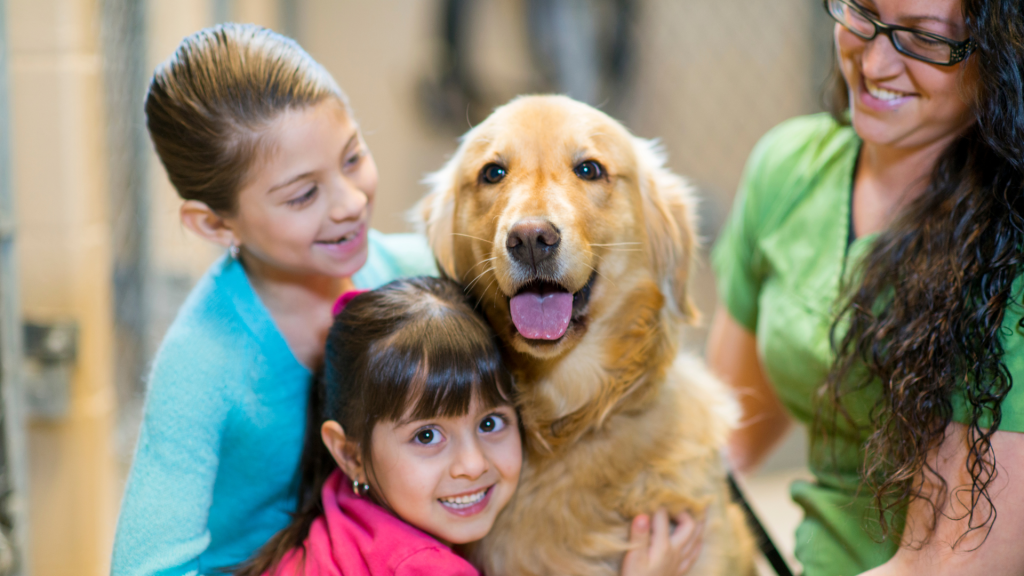
Ultimately, responsible pet adoption is about more than just finding a furry friend; it’s about making a thoughtful decision that ensures both you and your pet can enjoy a fulfilling life together. In the following sections, we will explore the numerous benefits of responsible pet adoption, including its impact on the community and how it contributes to a better quality of life for both pets and their owners. Prepare to discover why your next best friend might be waiting for you at a local shelter!
DISCOVER MORE: Click here to learn how to reward your pet’s good behavior
Evaluating Your Lifestyle Before Adoption
Before embarking on the journey of pet ownership, it is crucial to evaluate your lifestyle and determine if you can genuinely meet the needs of a pet. This self-assessment includes several factors such as your living situation, daily schedule, and future plans. For instance, city dwellers living in apartments may consider smaller dog breeds or cats, while those in larger homes might have the space for larger breeds. The size of your home, the availability of safe outdoor areas, and your willingness to engage in regular walks or playtime are all essential considerations.
Another factor to examine is your working hours and how they impact your ability to provide care. If you work long hours or travel frequently, it raises concerns about how a pet will fit into that equation. Can you afford to hire a pet sitter or take your furry friend to doggy daycare? Alternatively, are you prepared to have a companion that may suffer from loneliness or anxiety due to long periods alone? By anticipating these issues ahead of time, you can guard against potential pitfalls in your pet’s emotional well-being.
The Role of Education in Responsible Adoption
Education is paramount when it comes to responsible pet adoption. Understanding breed-specific needs, behavioral traits, and medical issues can help new pet owners create a healthy home environment. Pet adoption agencies and shelters often provide resources and training for potential adopters, equipping them with the knowledge needed for a smooth transition. In addition, educational programs focused on the importance of spaying and neutering pets can significantly reduce the number of unwanted animals entering shelters, underscoring the ripple effect of responsible adoption.
As part of the learning process, adopting individuals should consider the following:
- Researching Breed Characteristics: Each breed has unique requirements regarding exercise, grooming, and health. Understanding these can drastically influence the success of pet ownership.
- Training Resources: Many shelters offer training classes and materials to help new owners adjust their pet to home life successfully.
- Veterinary Care: Familiarizing yourself with local veterinarians and understanding the importance of regular check-ups can enhance your pet’s quality of life.
As you prepare to welcome a new pet into your home, remember that the responsibility doesn’t end after adoption. It extends through the animal’s entire life, which might span 15 years or more for some pets. By investing the time and effort to understand your future companion’s needs—both physical and emotional—you are not only fulfilling a commitment to them but also enriching your own life.
In the following sections, we will delve into the community impact of responsible pet adoption, exploring how it fosters compassion and reduces overpopulation in shelters. Understanding these implications adds another layer of importance to why carefully considering your decision to adopt a pet is paramount.
| Category | Details |
|---|---|
| Affordability | Adopting a pet is often less costly than purchasing from a breeder, including lower initial fees and no hidden costs. |
| Health Benefits | Pets provide emotional support and companionship, leading to reduced stress and increased happiness for their owners. |
| Community Impact | Adopting pets from shelters helps reduce overpopulation and gives these animals another chance at a loving home. |
| Ethical Considerations | Responsible adoption promotes the humane treatment of animals, ensuring that every pet finds a safe and caring environment. |
Adopting pets is a transformative decision that not only benefits the animals but significantly enriches the lives of their owners. Many individuals are drawn to the financial advantages of adopting, as adoption fees are considerably lower than purchasing a pet, and many shelters include essential services such as vaccinations and spaying or neutering in the initial fee. Furthermore, responsible pet ownership fosters profound emotional connections; the companionship of a pet can lead to reduced anxiety and depression, transforming an individual’s mental well-being. The ripple effects of responsible pet adoption are felt far beyond personal households, impacting communities nationwide. When people choose to adopt, they directly contribute to the fight against animal overpopulation and rehoming issues. Moreover, this decision reflects a commitment to ethical practices, where the welfare of animals is prioritized, ensuring that every adoption is a step toward improving society’s treatment of animals. This growing awareness and practice of responsible pet adoption is not just a trend, but a significant cultural shift that advocates for both pet welfare and mental health benefits in families. To explore the joy and fulfillment that comes from responsible pet adoption, consider visiting local shelters or rescue groups to meet the many pets awaiting their forever homes.
DISCOVER MORE: Click here to find your perfect pet shelter
The Community Impact of Responsible Pet Adoption
The significance of responsible pet adoption extends far beyond individual households; it shapes communities and influences the welfare of animals across the nation. When citizens choose to adopt pets instead of buying them from breeders or pet shops, they contribute to the reduction of animal overpopulation and decrease the burden on animal shelters. According to the ASPCA, approximately 6.3 million companion animals enter U.S. animal shelters yearly, and only about half are adopted. Understanding this statistic emphasizes the urgency of adopting with responsibility.
When individuals opt for adoption, they often save an animal’s life, paving the way for shelter resources to be used in a more efficient manner. Each adoption opens a space for another animal in need, making it a profound act of community service. In fact, communities that prioritize responsible adoption programs tend to notice a shift towards lower euthanasia rates. For instance, cities with strong spay and neuter initiatives and public education campaigns have reported significant declines in shelter intakes: a remarkable case being Los Angeles, which saw a drop in euthanasia rates by nearly 80% over the last decade.
Building a Culture of Compassion
The ripple effect of responsible pet adoption nurtures a culture of compassion within communities. When families choose to adopt, they not only bring home a pet but also become spokespersons for the cause. This life-changing decision often inspires friends and acquaintances to consider responsible adoption as well. Furthermore, these informed adopters frequently undertake volunteer roles in shelters, contributing their time and resources to help other animals in need. This cycle of compassion fosters stronger community bonds and highlights the importance of collective responsibility in animal welfare.
Animal shelters often hold educational events and workshops that promote responsible pet ownership and adoption practices. These initiatives empower potential adopters with knowledge, which ultimately alleviates the stress on shelters and promotes better care for pets. Programs that encourage socialization and training for adopted pets create better outcomes, ensuring that families remain satisfied and informed about their new companions. By actively participating in these programs, communities can witness a marked improvement in pet retention rates, which is critical for sustaining a healthy pet population.
- The Role of Local Governments: Municipalities can play a pivotal role by implementing policies that encourage spaying and neutering, promoting adoption fairs, and supporting community outreach regarding responsible pet ownership.
- Fostering Networks: Communities can strengthen foster networks for animals in shelters, further alleviating overcrowding and allowing pets to thrive in temporary homes while awaiting adoption.
- Local Success Stories: Highlighting success stories of adopted pets through community newsletters or social media can inspire others to consider giving a home to a shelter animal.
In light of these factors, it becomes evident that responsible pet adoption is more than just finding a new furry friend; it is about fostering a community that values compassion, reducing the strain on shelters, and creating a better overall environment for both people and animals. By making informed and selfless choices, potential adopters not only enrich their lives but also contribute to a larger cause that resonates throughout their communities.
DIVE DEEPER: Click here to learn more about responsible pet adoption
Conclusion: The Need for Commitment in Pet Adoption
The journey of responsible pet adoption is not merely about giving a home to an animal; it is about fostering a deeper connection with our communities, promoting ethical practices, and advocating for animal welfare as a whole. As highlighted throughout this article, choosing to adopt significantly impacts local shelters, alleviating overcrowding and reducing euthanasia rates. Each adoption resonates beyond individual households, nurturing a culture of compassion that can transform communities.
As potential adopters, individuals must recognize the commitment that comes with bringing a pet into their lives. It requires preparing for the emotional and financial responsibilities associated with pet ownership, including healthcare, training, and socialization. Engaging in community outreach and educational programs can further enhance one’s understanding of responsible pet care, benefiting not only pets but owners as well.
The data speaks volumes: with approximately 6.3 million companion animals entering shelters annually, every adoption makes a crucial difference. Communities that promote responsible pet adoption experience notable improvements in animal welfare, demonstrating that collective efforts yield substantial rewards. Local governments, shelters, and citizens must unite to create pathways for adopting, fostering, and supporting animals in need.
Ultimately, engaging in responsible pet adoption enriches not only the lives of animals but also those of the adopters and the broader community. As we strive to create a more compassionate world, let us champion the importance of adoption—where each choice resonates through lives and communities, leading to a healthier future for pets and people alike.