Incorporating Agility Training into Your Pet’s Routine: Benefits and Techniques

Unlocking Potential Through Agility Training
Are you looking for a way to enhance your pet’s physical and mental well-being? Agility training is an excellent approach that not only entertains but can also bond you with your furry friend. This engaging activity transforms regular exercise into a playful challenge, sparking joy in both pets and owners alike.
The benefits of incorporating agility training into your pet’s routine are abundant. Consider the following advantages:
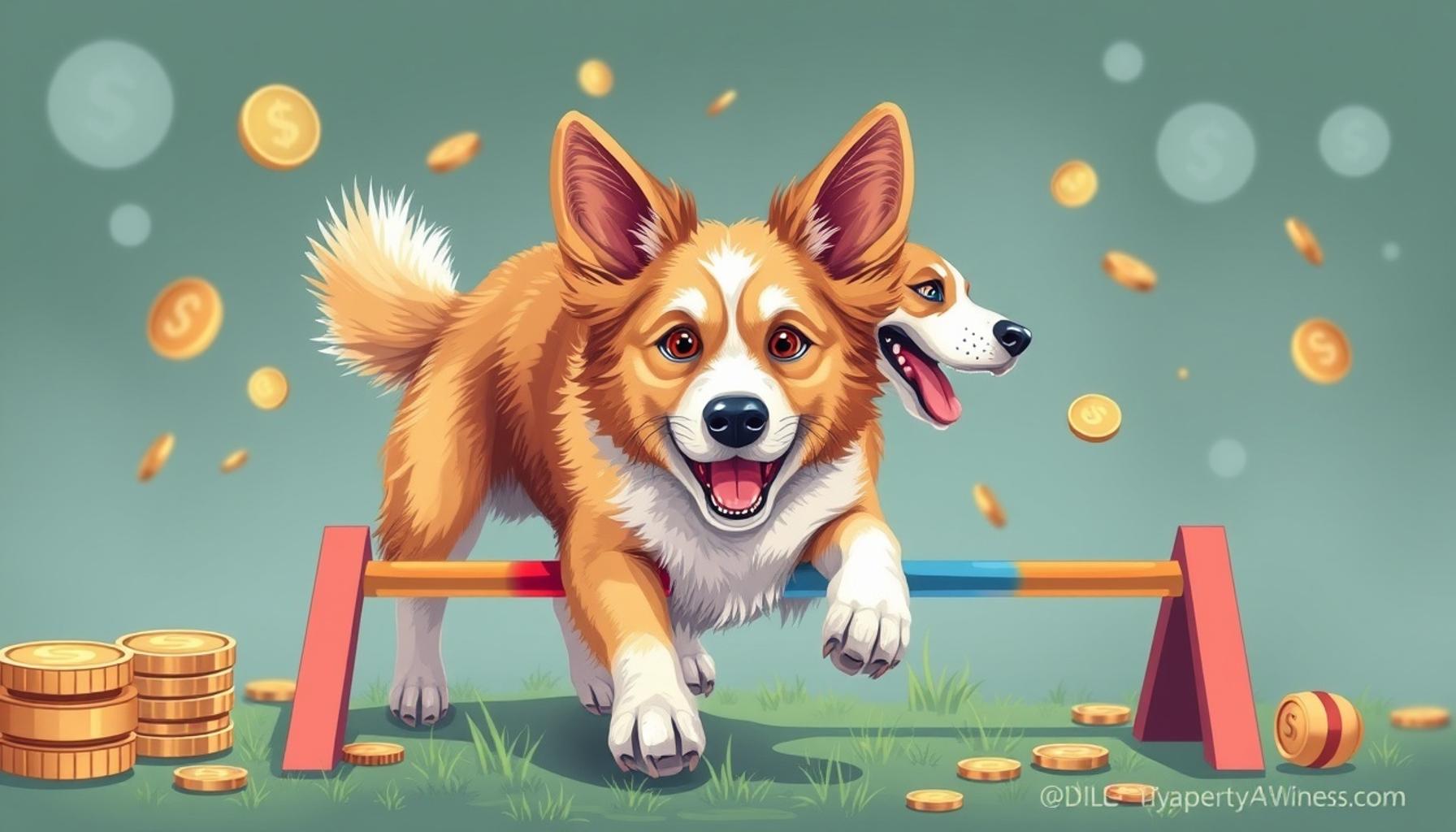
- Physical fitness: Agility training provides a rigorous workout, increasing your pet’s strength, endurance, and coordination. As dogs weave through poles, jump over hurdles, and navigate tunnels, they build muscle and cardiovascular health. For example, breeds like the Labrador Retriever can greatly enhance their physical condition through consistent agility practice.
- Mental stimulation: This form of training challenges your pet’s problem-solving abilities and keeps their mind sharp. Learning new commands and navigating courses requires concentration and intelligence, making it an excellent exercise for cognitive development. Your dog will love the challenge and reward of mastering each new obstacle.
- Behavioral improvement: Regular agility training instills discipline and enhances obedience in your pet. The skills learned during training sessions can translate into improved behavior at home, reducing issues such as barking and jumping on guests. For example, a dog that participates actively in agility may respond better to commands both in practice and everyday situations.
- Socialization: Engaging in agility training often occurs in group settings, providing opportunities for your dog to interact with other pets and people. This exposure to diverse environments can reduce anxiety and improve social skills, resulting in a well-rounded companion.
Furthermore, agility training isn’t just for high-energy breeds like Border Collies or Australian Shepherds. Many dogs, regardless of their size and breed, can benefit from these activities. For instance, small breeds like Dachshunds have proven that they can be just as agile and competitive with tailored agility courses. Techniques can be easily adapted to suit various skill levels, making it accessible for everyone.
Ready to dive into the exciting world of agility training? Whether you are taking part in local competitions or simply enjoying fun sessions at home, agility training promises to be a rewarding experience. Our exploration covers essential techniques to get started, such as setting up your first obstacle course and tips on creating a customized training program tailored to your pet’s unique abilities and needs. With patience and creativity, you can craft a training regimen that not only unlocks your pet’s potential but also deepens the bond you share. Get ready to embark on this fun-filled journey and watch your dog thrive!
LEARN MORE: Click here to discover effective reward techniques

Getting Started with Agility Training
As you embark on the journey of incorporating agility training into your pet’s routine, understanding the foundational techniques is essential. Creating an engaging environment where your pet can thrive not only stimulates their body and mind but also fosters a deeper bond between you both. Here are some effective strategies to consider when starting agility training with your furry companion.
Choosing the Right Equipment
To kick off your training sessions, selecting the appropriate equipment is crucial. Agility training can include a variety of obstacles that challenge your pet’s speed, coordination, and focus. Some basic equipment you might want to consider includes:
- Hurdles: These are simple jumps that can be adjusted in height according to your pet’s abilities. Begin with lower jumps for new learners.
- Tunnels: Tunnels encourage your pet to adopt a specific path, improving their agility and problem-solving skills as they figure out how to navigate through them.
- Weave poles: A series of vertical poles challenge dogs to weave in and out, honing their agility and improving their balance.
- Contact obstacles: Raising the challenge with items like see-saws or A-frames increase difficulty while also building confidence.
These items can be purchased at pet stores or even crafted at home using common materials. The key is to ensure that your pets feel safe and comfortable using each piece of equipment.
Creating a Training Schedule
To maximize the benefits of agility training, establishing a regular training schedule is recommended. Consistency is key to reinforcing learned commands and behaviors. Start with short sessions of around 10 to 15 minutes, gradually increasing the duration as your dog’s stamina and focus improve. Here are a few tips for scheduling effective training sessions:
- Frequency: Aim for at least three to four sessions per week to keep your dog engaged and progressing.
- Variety: Change up the courses and obstacles to keep your pet interested and challenged. Stagnation can lead to boredom and reduced motivation.
- Positive reinforcement: Always include plenty of praise, treats, and playtime as rewards—these will encourage your pet to perform better and enjoy their training sessions.
Keep in mind that every pet is different. Some may take to agility training more naturally than others, and that’s perfectly okay. Patience is essential, so be prepared to adapt your approach based on your dog’s comfort and progress. Remember, the ultimate goal is not only to master the courses but also to have fun together!
Incorporating agility training into your pet’s routine can be a delightful way to promote physical fitness and mental enrichment. As you explore these techniques and strategies, you’ll discover the incredible bond that grows through shared challenges and successes. Stay tuned for further insights on how to elevate your sessions and navigate the world of agility with your pet.
| Benefits of Agility Training | Techniques for Incorporation |
|---|---|
| Improved Physical Fitness | Start with simple obstacles to gradually enhance fitness |
| Enhanced Mental Stimulation | Incorporate interactive games to challenge your pet’s mind |
| Stronger Bond with Owner | Engage with your pet in training sessions to foster trust |
| Increased Confidence | Use positive reinforcement techniques to build self-esteem |
Agility training is rapidly gaining popularity among pet owners for its myriad benefits. One of the most compelling reasons to incorporate agility exercises into your pet’s routine is the significant improvement in physical fitness. These activities not only aid in weight management but also bolster overall health, reducing the risk of obesity-related conditions. Enhancing mental stimulation is equally crucial; agility training requires pets to think, solve problems, and make quick decisions, keeping their minds sharp.Furthermore, agility training strengthens the bond between pets and their owners, creating a synergy that enhances trust and communication. It is also an exciting way to boost a pet’s confidence. Through consistent training and positive reinforcement, pets learn to navigate obstacles with ease, which can drastically improve their self-esteem. When considering the introduction of these techniques, utilize gradual progression—begin with simple obstacles and progressively incorporate more challenges. This approach caters to your pet’s growing prowess while ensuring an engaging training experience. Such activities not only entertain but also provide invaluable memories to cherish as you and your pet embark on this thrilling journey together.
LEARN MORE: Click here to discover effective training techniques
Enhancing Your Pet’s Agility Training
Once you have established the fundamentals of agility training, the next step is to enhance the experience for both you and your pet through advanced techniques and considerations. This stage of training not only builds upon basic skills but also introduces elements that can maximize the benefits of agility practice.
Incorporating Games and Challenges
To maintain motivation and engagement, integrating games into your agility training sessions can be highly beneficial. Fun activities reinforce training concepts while making the process enjoyable. Consider including the following games:
- Obstacle Course Races: Create a mini obstacle course and time your pet as they navigate through it. This fosters a sense of competition and motivates them to improve with each attempt.
- Hide and Seek: Improve your pet’s recall and focus by hiding behind objects or obstacles and calling them. This game not only helps with agility but also strengthens your bond.
- Fetch with a Twist: Incorporate agility by tossing a ball or toy through tunnels or over hurdles and encouraging your pet to retrieve it. This reinforces the idea of agility while keeping the session lively.
These playful activities can transform ordinary training into an exhilarating adventure, making it an ideal choice for pets that thrive on fun contexts.
Monitoring Progress and Health
As your pet progresses through training, it’s crucial to monitor their health and physical performance. Agility training can be physically demanding, so assessing your pet’s condition regularly helps prevent injuries. Keep an eye on the following signs:
- Stamina: Watch for signs of fatigue, such as excessive panting or reluctance to continue. It’s vital to ensure they are not over-exerting themselves.
- Joint Health: Support your pet’s joints with appropriate nutrition and regular veterinary check-ups, particularly if you’re working with older dogs or those with pre-existing conditions.
- Behavior Changes: If your pet seems less enthusiastic or shows signs of discomfort, it’s essential to adapt the training routine accordingly.
Consulting with your veterinarian before starting an agility training regimen is also recommended, especially if your pet has health concerns.
Creating a Supportive Community
Joining a local dog agility club or online community can provide motivation and resources as you embark on this training journey. Engaging with other pet owners can introduce diverse training techniques and foster a spirit of camaraderie. Many clubs host competitions, workshops, and social events, which not only serve as great opportunities for your pet to showcase their skills but also allow you to share experiences and tips with fellow enthusiasts.
Moreover, building a supportive network can enhance your knowledge about agility training, offering insights that can refine your techniques and strategies. Online forums and social media groups are excellent platforms to connect, share successes, and gather advice on specific challenges you may encounter.
Incorporating these elements into your agility training routine allows for a richer training experience while guaranteeing continuous improvement for your pet. The more you dive into this engaging world of agility, the more you will discover about your pet’s capabilities and potential.
DISCOVER MORE: Click here to learn about social media’s influence on pet adoption
Conclusion: The Power of Agility Training
Incorporating agility training into your pet’s routine is not just about enhancing their physical abilities; it’s a holistic approach that cultivates their mental acumen, strengthens your bond, and provides an engaging activity that can fit seamlessly into your lifestyle. As discussed, agility training offers numerous benefits, including improved coordination, enhanced focus, and increased physical fitness. By introducing fun elements such as games and challenges, you create an environment that motivates your pet, ensuring that training doesn’t become a mundane task but an exhilarating experience.
Moreover, while monitoring your pet’s health should always remain a priority, establishing a supportive community around agility training can lead to shared knowledge, friendships, and countless opportunities for advancement. Engaging with fellow enthusiasts allows you to explore new techniques, seek advice, and participate in events that celebrate your pet’s achievements. The camaraderie found in these settings can ignite further passion for agility training, pushing both you and your pet to new heights.
Ultimately, investing time in agility training is a commitment to enhancing your pet’s well-being and unlocking their full potential. With the right approach, techniques, and community support, you will embark on a transformative journey that elevates not only your pet’s agility skills but also the joy they bring to your life. Embrace this energetic endeavor, and watch your furry friend thrive in ways you never imagined.