Incorporating Agility Training into Your Pet’s Routine: Benefits and Techniques
The Benefits of Agility Training for Pets
Agility training is an engaging way to keep your pet active and entertained. This exciting form of exercise not only provides an outlet for physical energy but also encourages pets to think critically. Designed as a series of obstacles that require animals to navigate through various challenges, agility training can significantly enhance your pet’s overall well-being.
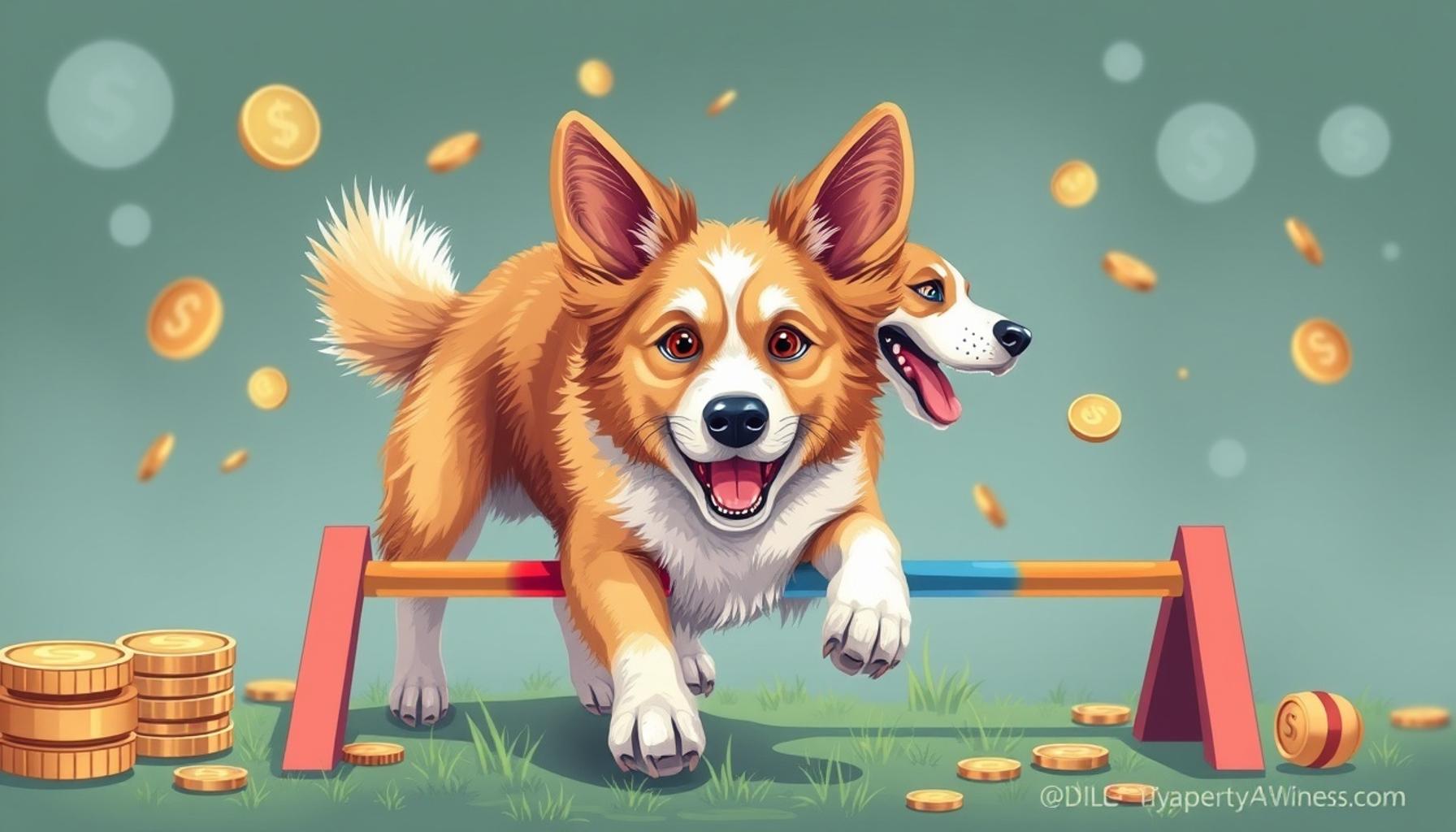
One of the foremost benefits of agility training is improved physical fitness. Regularly navigating through obstacles, such as tunnels, jumps, and weave poles, helps to strengthen your pet’s muscles and improves cardiovascular endurance. For example, a Labrador Retriever, known for its high energy levels, can hugely benefit from agility training as it allows them to channel their energy into something constructive and physically demanding. Additionally, the repetitive nature of these exercises increases flexibility and stamina, which are crucial for maintaining a healthy weight and avoiding obesity-related health issues.
Alongside physical fitness, agility training provides enhanced mental stimulation. Pets are naturally curious and enjoy challenges that make them think. Agility courses require pets to strategize their movements and respond to commands, thereby honing their cognitive skills. For instance, teaching a dog to jump over a hurdle after a specific command not only reinforces obedience but also sharpens their focus. Studies suggest that mental exercise is equally, if not more, important than physical activities for pets, helping to reduce anxiety and discourage destructive behaviors at home.
Moreover, agility training fosters a strengthened bond between you and your pet. As you guide them through the courses, you build a relationship based on teamwork, trust, and communication. This shared experience can be particularly rewarding; many pet owners report feeling a deeper connection with their animals after participating in agility training. The more you work together, the better you understand each other’s cues, creating an unbreakable partnership.
Incorporating agility training into your pet’s routine can lead to incredibly rewarding experiences. You can set up simple courses in your backyard or find local classes that offer structured training and community support. It is essential to consider your pet’s specific breed, age, and physical capabilities to ensure the exercises are appropriate for them. For instance, smaller breeds like Dachshunds may excel in agility but could benefit from shorter courses tailored to their size, while high-energy breeds like Border Collies might thrive in more complex setups.

The adaptability of agility training makes it an inclusive activity for pet owners across the board. Regardless of whether you have a puppy learning the ropes or a senior dog maintaining their agility, there are exercises suited to every stage of life. As the popularity of agility training grows, so does the community of enthusiastic pet owners eager to learn and share tips and practices. Dive into the exhilarating world of agility training and discover the joys it can unlock for both you and your beloved companion.
DISCOVER MORE: Click here to learn about the impact of animal welfare organizations
Getting Started with Agility Training
When it comes to incorporating agility training into your pet’s routine, finding the right approach can make all the difference. Agility training is not just for professional competitors; it is a fun and stimulating activity for pets of all ages and capabilities. The key is to introduce the concept gradually and create a positive experience that encourages your pet to engage enthusiastically.
First, assess your pet’s readiness for agility training. Consider factors such as age, breed, and previous experience with training. While most dogs can participate, specific breeds like Border Collies, Australian Shepherds, and Belgian Malinois tend to have a natural inclination towards agility due to their high intelligence and energy levels. However, this does not mean less active breeds, such as Cavalier King Charles Spaniels and French Bulldogs, cannot enjoy agility training; they simply may require a more tailored approach to suit their physical abilities.
Once you have determined your pet’s suitability for agility, the next step is to start simple. Here are some techniques for creating a beginner-friendly agility routine:
- Start with Basic Commands: Before introducing obstacles, ensure your pet is familiar with basic commands like “sit,” “stay,” and “come.” These foundational skills will make transitioning into agility training smoother.
- Introduce Obstacles Gradually: Incorporate low hurdles, tunnels, or small jumps into your training sessions. Start at a height that your pet is comfortable with, and gradually increase the difficulty as they gain confidence.
- Use Positive Reinforcement: Reward your pet with treats or praise every time they successfully complete an obstacle. This approach reinforces positive behavior and encourages them to stay engaged.
- Keep Sessions Short and Fun: Start with short training sessions of around 10 to 15 minutes to prevent your pet from becoming overwhelmed. Always end on a positive note, even if they only complete one or two obstacles.
- Incorporate Playtime: Integrate agility training into playtime by creatively using their toys as obstacles. For example, encourage them to jump over a stuffed animal or weave between cones made from soccer balls.
As you progress through agility training, continually observe your pet’s behavior and reactions. Signs of enjoyment may include wagging tails, enthusiastic barks, and increased focus. Conversely, if your pet shows signs of stress or disinterest, consider adjusting the training method or pace. Each pet is unique, and understanding their limitations will foster a more positive environment for learning.
With patience and persistence, agility training can become a rewarding and uplifting part of your pet’s routine. Not only will this practice improve their physical abilities and mental sharpness, but the bonding experience it fosters can lead to a more harmonious relationship between you and your furry partner. Your journey into the exciting world of agility training can open the door to limitless opportunities for enjoyment and companionship.
Incorporating Agility Training: Techniques and Insights
One of the best aspects of agility training is its versatility. It can be tailored to suit pets of all ages and abilities. Whether your furry friend is a high-energy adolescent or a more contemplative senior, agility exercises can be adapted to meet their unique needs. Begin with basic commands and gradually introduce obstacles such as tunnels, weave poles, and jumps. Start slowly, ensuring your pet feels comfortable and secure. The goal is to foster confidence and a sense of accomplishment.Moreover, agility training isn’t just about physical fitness—it’s also a fantastic way to enhance the bond between you and your pet. Engaging in these exercises requires communication and trust, leading to a more profound understanding of each other’s behaviors and signals. Using positive reinforcement, such as treats or praise, can significantly boost your pet’s motivation and willingness to participate in training sessions. This interaction not only makes the experience enjoyable but also minimizes stress and promotes a positive attitude during training.Consider enrolling in a local agility class to learn techniques from experienced trainers. These classes can provide invaluable insights that will help you design an effective training routine. Additionally, the social aspect of group training can be beneficial for both pets and owners, fostering a sense of community. As you progress, you might even find opportunities to participate in competitions, which can offer a fun and rewarding way to showcase your pet’s skills.Remember, the key to successful agility training lies in consistency and patience. Allow your pet to set the pace, and ensure sessions are kept joyful and engaging. Engaging your pet through this dynamic activity not only enhances their physical capabilities but also paves the way for an enriching experience that strengthens your relationship. With the right approach and dedication, agility training can become a delightful part of your pet’s routine that benefits both of you in numerous ways. So grab those agility cones and start building an obstacle course that will delight your furry companion today!
DISCOVER MORE: Click here to learn about effective socialization techniques
The Benefits of Agility Training for Pets
Agility training offers a multitude of benefits for both pets and their human companions alike. As you embark on this exciting journey, understanding the advantages of integrating agility training into your pet’s routine will enhance your motivation and commitment to the practice.
One of the most substantial benefits of agility training is the boost it provides to a pet’s physical fitness. The sport requires pets to navigate through various obstacles, which can increase their overall strength, endurance, and flexibility. Regular practice helps maintain a healthy weight, which is especially crucial in a country where canine obesity is an increasing concern. According to the Association for Pet Obesity Prevention, approximately 56% of dogs in the United States are classified as overweight or obese. Engaging your pet in agility training can be a proactive approach to combat this issue.
Another key advantage of agility training is its contribution to mental stimulation. Pets thrive on challenges and learning new skills. Agility training encourages pets to think critically as they navigate through courses, enhancing their problem-solving abilities. This mental engagement can reduce boredom and help prevent destructive behaviors that often arise from insufficient stimulation. Many pets, particularly intelligent breeds, may display signs of hyperactivity or mischief when under-stimulated. By providing them with agility exercises, you can channel their energy positively.
Socialization is another important aspect that agility training can foster. When pets participate in agility classes, they often have the opportunity to interact with other animals and human handlers. This exposure can improve their sociability, making them more comfortable around unfamiliar pets and people. It can also lead to the development of important social skills, reducing anxiety during outings or public events.
Techniques for Enhancing Agility Training
To further enrich the agility training experience, consider implementing various techniques and exercises that promote effective learning. Here are some strategies to keep your pet excited and engaged:
- Variety in the Course: Change up the obstacles frequently to maintain your pet’s interest. Introduce new equipment like seesaws, weave poles, and hoops, or create different patterns for the existing ones. This variety not only keeps training fresh and exciting but also enhances different skill sets.
- Incorporate Speed Trials: As your pet becomes more adept at maneuvering obstacles, consider timing their runs. Speed trials can introduce a competitive edge without the need for formal competition, motivating your pet to strive for better performance during training sessions.
- Practice Foundation Skills: Along with obstacle navigation, practice skills like jumping, balancing, and weaving in separate sessions. This focused approach can reinforce muscle memory and lead to improved agility performance.
- Group Classes: Enroll in local agility classes that are often offered at training facilities. Group classes provide professional guidance while encouraging camaraderie among pet owners and their furry companions. The social environment can further engage your pet and enhance their learning experience.
Overall, incorporating agility training into your pet’s routine is a multifaceted approach that enriches physical health, mental sharpness, and social interaction. By utilizing various training techniques and maintaining a fun and dynamic environment, you’ll be well on your way to enjoying the myriad benefits of agility training, ensuring a happy and healthy life for your pet.
DISCOVER MORE: Click here to enhance your pet’s learning experience
Conclusion: Elevating Your Pet’s Life with Agility Training
Incorporating agility training into your pet’s routine is not just a passing trend; it represents a holistic approach to enhancing their overall well-being. As we have explored, the advantages are manifold, including improved physical fitness, heightened mental stimulation, and enhanced socialization. By engaging in this dynamic activity, you not only equip your pet with crucial life skills but also strengthen the bond between you and your furry friend through shared experiences and teamwork.
Moreover, the techniques outlined—ranging from varying obstacle courses to participating in group classes—offer innovative methods to keep training both fun and effective. These approaches can significantly increase your pet’s enthusiasm and potential for success. Evidence suggests that active, mentally stimulated pets are less likely to develop behavioral problems, reinforcing the importance of coupling physical exertion with cognitive engagement.
As we witness a growing awareness of pet health in the United States, the integration of agility training emerges as a proactive measure against common issues such as obesity and anxiety. With approximately 56% of dogs categorized as overweight, agility training not only keeps them active but also channels their energy constructively, resulting in happier and more balanced pets. Ultimately, investing time in agility training can lead to a longer, healthier, and more fulfilling life for your pet. So, gather your equipment, lace up those sneakers, and embark on this exciting adventure; your pet will thank you for it!