Post-Adoption Training Guide: How to Help Your New Pet Adjust to Home
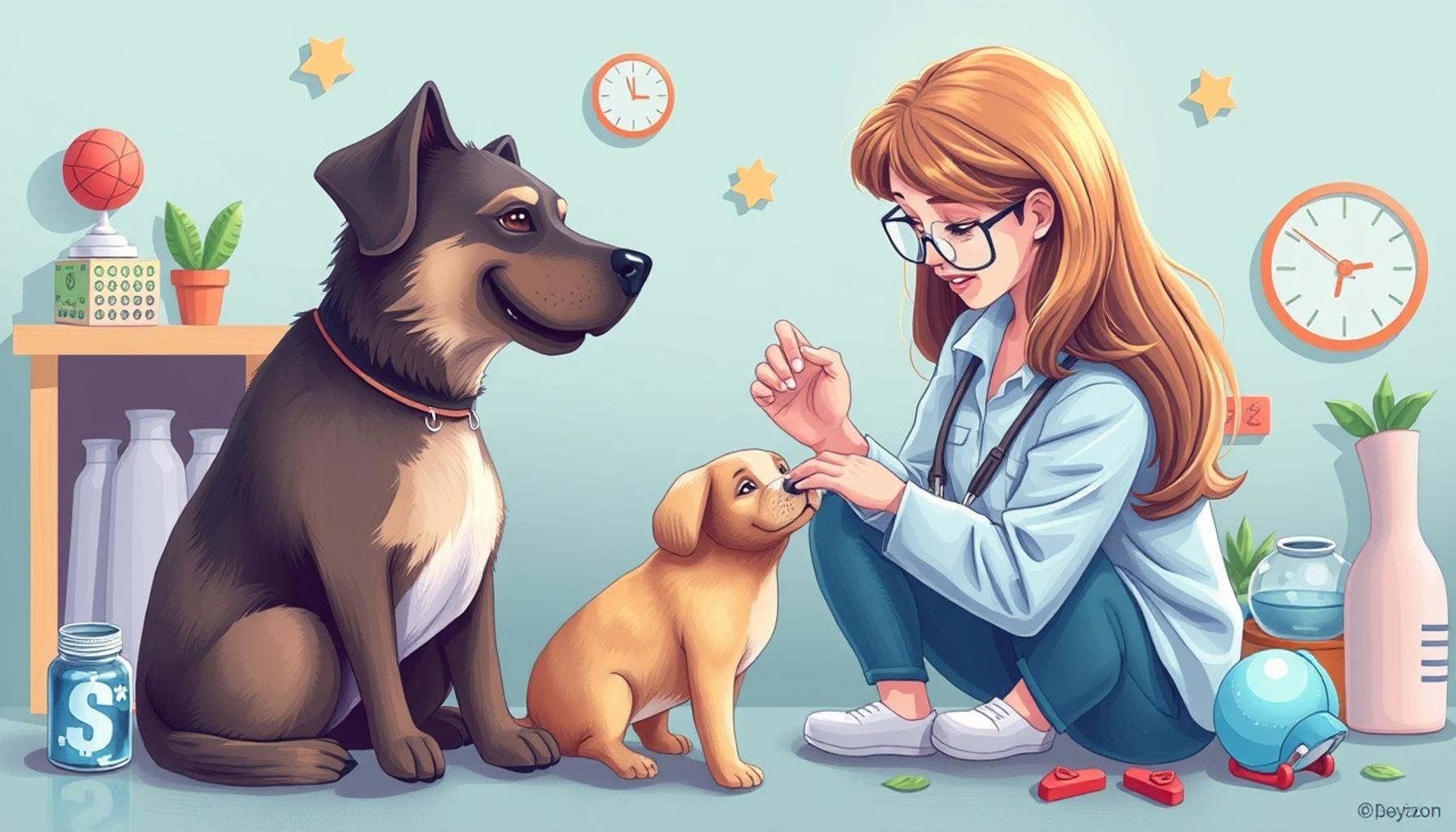
Preparing Your Home for a New Companion
Bringing home a new pet is a thrilling experience filled with joy and anticipation. However, the transition can be overwhelming for both you and your furry friend. It’s essential to recognize that post-adoption training plays a crucial role in helping your new pet adjust comfortably to their environment. This process not only equips them with essential skills but also fosters a strong bond between the two of you.
Understanding Your New Pet’s Needs
Every pet possesses its unique personality and history, which means their adjustment process will vary significantly. To ensure a smooth transition, consider the following:
- Establish a Routine: Consistent feeding, walking, and playtime schedules create a sense of security. For example, if you’re adopting a puppy, feeding them at the same time each day helps them learn when to expect meals, reducing anxiety.
- Create a Safe Space: Designate an area in your home where your pet can feel secure and comfortable. This could be a cozy bed in a quiet corner or a spacious crate—whatever suits your pet’s preferences. Ensure it’s stocked with toys, a blanket, and fresh water.
- Socialization: Gradually introduce them to family members and other pets to prevent anxiety. Start with short interactions, allowing your pet time to adjust to new people and environments at their own pace.
Training Techniques to Facilitate Adjustment
Training is not merely about teaching commands; it’s about building trust and understanding. Employing effective strategies, such as:
- Positive Reinforcement: Reward desirable behaviors with treats, praise, or play. For example, if your new dog sits quietly when asked, providing a treat reinforces that behavior.
- Consistent Commands: Use simple and clear commands to avoid confusion. Phrases like “sit,” “stay,” or “come” should be used consistently throughout your training regimen to help your pet grasp their meanings more quickly.
- Patience: Allow your pet time to acclimate to their new surroundings. Each pet adjusts at different rates; some may feel comfortable in a few days, while others might take weeks. Recognize the signs of stress or discomfort and offer reassurance.
By focusing on these core aspects of post-adoption training, you can help ease your new pet into their forever home. The right approach not only fosters a loving relationship but also ensures their emotional well-being. Remember, a well-adjusted pet will become a cherished member of your family, bringing endless joy and companionship. Invest time and effort into this transitional period, and both you and your new furry friend will be rewarded with a deep, lasting bond.
DISCOVER MORE: Click here to learn about community initiatives

Creating a Welcoming Environment
As you embark on the journey of pet ownership, it’s crucial to understand that the goal of post-adoption training is not just to teach your new companion commands, but to create an atmosphere where they can feel loved, secure, and included. The first few weeks in a new home are essential for laying the groundwork for a harmonious relationship, and there are several strategies you can implement to make the transition smoother.
Essential Supplies for Your New Pet
Before bringing your new pet home, prepare by gathering all necessary supplies. Having the right items on hand not only provides comfort but also minimizes stress for both you and your pet. Here’s a checklist of essential supplies to consider:
- Food and Water Bowls: Choose sturdy, easy-to-clean bowls suitable for your pet’s size. Stainless steel or ceramic bowls are great options as they are non-toxic and durable.
- Quality Pet Food: Research the best diet for your pet’s breed and age. It’s advisable to introduce any new food gradually to prevent digestive upset.
- Toys: Provide a variety of toys to satisfy different instincts—chew toys, interactive puzzles, and comfort items can all play a part in enriching your pet’s experience.
- Grooming Supplies: Depending on the type of pet you adopt, consider brushes, nail clippers, and shampoo to keep their coat healthy and clean.
- Safety Items: If you’re adopting a dog, ensure you have a well-fitting collar and leash for walks. Additionally, ID tags with your contact information are crucial in case of an escape.
Establishing a Bond
Building a strong connection with your pet begins at home. Trust and affection are the cornerstones of a great pet-owner relationship, and there are several effective ways to foster these feelings:
- Spend Quality Time Together: Engage in gentle play and calm interactions during the first few days. Allow your pet to initiate contact and explore their new space without feeling overwhelmed.
- Use Calming Techniques: To help your pet settle in, consider using a calming pheromone diffuser or natural remedies to alleviate anxiety. This can be particularly helpful for pets who may have experienced trauma in their past.
- Be Attentive to Body Language: Understanding your pet’s physical cues is vital. Signs of stress, such as cowering or ignoring you, indicate that your furry friend may need more time to feel comfortable.
By taking the time to equip yourself with necessary supplies and focusing on building a loving relationship, you set the stage for a successful adjustment period. Remember, post-adoption training is essential not only for better behavior but also for helping your new pet thrive in their new environment. With patience and love, the time spent on these initial steps will pay off in countless joyful moments with your new companion.
| Advantage | Description |
|---|---|
| Building Trust | Establishing a bond through consistent training sessions helps your pet feel secure and accepted in their new environment. |
| Effective Communication | Utilizing positive reinforcement techniques fosters better understanding and responsiveness between you and your pet. |
| Behavioral Management | Proactive training can prevent unwanted behaviors from developing, ensuring a harmonious home life. |
| Socialization | Encouraging interactions with other animals and people helps your pet to adapt more quickly and comfortably. |
Incorporating these elements into your routine not only helps in nurturing your pet’s confidence, but also enhances the overall relationship you share with them. The guidelines offered in the “Post-Adoption Training Guide” can serve as a roadmap for navigating the early days of bringing a new pet into your home. By focusing on trust, communication, and social experiences, you’re setting the foundation for a fulfilling companionship. Exploring additional training resources can provide you with invaluable insights that benefit both you and your new furry friend.
DISCOVER: Click here for valuable insights
Establishing Routines for Comfort
Once your pet is welcomed into your home, establishing a routine can significantly ease their transition. Just like humans, pets thrive on consistency, and creating predictable habits can help them feel more secure in their new environment. A well-structured schedule can foster better behavior, result in less anxiety, and can even help with training. Here are key areas to focus on:
Feeding Schedule
Consistency is key when it comes to feeding your new pet. Establish set meal times for your pet to eat and stick to them. This not only helps them know when to expect food but can also regulate their digestive system. Research indicates that pets fed at regular intervals tend to be less anxious, as they understand what to expect throughout the day. If you’re unsure about portion sizes or specific dietary needs, consulting with a veterinarian or an animal nutritionist can offer personalized advice tailored to your pet’s health.
Exercise Routine
Regular exercise is vital for your pet’s physical and mental well-being. For dogs, daily walks and playtime can help release pent-up energy, which can reduce unwanted behaviors like chewing or excessive barking. For cats, engaging them in interactive play can keep them active and enrich their environment. Consider setting aside time each day for these activities, and gradually increase the intensity based on your pet’s fitness level and energy. Fun fact: pets that receive daily exercise are statistically shown to have improved mood and behavior overall.
Training Sessions
Incorporating short training sessions into your daily routine can help foster discipline while strengthening your bond. Aim for sessions lasting around 5 to 10 minutes, a duration ideal for maintaining your pet’s focus without overwhelming them. Positive reinforcement, such as treats or praise, is highly effective in encouraging desired behavior. Remember to start with basic commands like sit, stay, or come. A well-defined structure to training can boost your pet’s confidence, making them feel more at home as they learn to navigate their new life.
Adjusting to New Social Interactions
Understanding how to manage your pet’s social interactions during this adjustment period is crucial. Introduce them gradually to family members or other pets in the household. Allow them to approach at their own pace, and supervise interactions to prevent any overwhelming experiences. Make sure to explain to family and friends the importance of a gentle approach, as sudden movements and loud voices can frighten your new pet. It’s important to note that socialization is an ongoing process, especially for animals who may have had negative experiences in the past.
Knowing how to establish a daily routine with your new pet will not only help them feel more secure but also forge a stronger bond between you. Keep in mind that every pet is unique, and adjusting your routine according to their needs can optimize their experience while settling into their forever home. By investing time and energy into developing habits that prioritize consistency and comfort, you’re ultimately fostering a nurturing habitat where your pet can thrive.
LEARN MORE: Click here to discover the significance of responsible pet adoption
Conclusion: Creating a Harmonious Transition
Bringing a new pet into your home is a rewarding experience, but it requires patience and dedication to ensure a smooth transition. As emphasized throughout this guide, the key elements of fostering your pet’s adjustment include establishing daily routines, promoting a nurturing environment, and engaging in positive training practices. Effective communication through consistent commands and rewarding good behavior builds trust and understanding, helping your pet feel secure in their new surroundings.
Beyond daily routines, socialization plays a pivotal role in your pet’s long-term happiness. Gradually introducing them to new experiences can mitigate anxiety, helping them adapt to their forever home. Remember, every pet is unique, and understanding their individual personality will enable you to tailor your approach accordingly. Investing time and effort into their emotional and physical needs not only benefits them but strengthens the bond between you.
As you embark on this journey together, take the opportunity to learn more about your pet’s specific needs. Utilize resources such as local animal behaviorists, training workshops, or veterinarian consultations to enhance your understanding of their behaviors and requirements. In doing so, you will create an enriching environment where both you and your new companion can thrive.
Ultimately, the post-adoption phase is an ongoing journey of discovery and adaptation. With the right tools and mindset, you can transform your house into a welcoming sanctuary for your pet, ensuring that they feel truly at home while becoming a cherished member of your family.