The Importance of Preventive Health in Pets
The Importance of Preventive Health for Pets
Pets are more than just companions; they are beloved members of our families. Their health is a crucial component of their happiness and longevity. Implementing preventive health measures can substantially enhance their quality of life, helping them to thrive well into their golden years.
Regular Veterinary Check-ups
Annual visits to the veterinarian are essential for maintaining your pet’s health. These check-ups provide an opportunity for veterinarians to examine your pet’s overall health, identify potential issues, and recommend necessary vaccinations and treatments. For instance, early detection of dental disease, a common issue in older pets, can prevent discomfort and further complications. Regular visits can save not only your pet’s health but also monumental veterinary bills in the long run. Studies show that pets who receive routine veterinary care live 15% longer on average than those who do not.
Vaccinations
Protecting pets from preventable diseases is essential for their well-being. Vaccinations such as those for rabies, distemper, and parvovirus can mean the difference between life and death for your furry friend. In many states, rabies vaccinations are legally required, not only safeguarding your pet but also protecting public health. Vaccination schedules should be customized based on your pet’s age, lifestyle, and pre-existing conditions, making it evident that pet owners must stay informed about their pet’s specific needs.
Proper Nutrition
A balanced diet plays a critical role in your pet’s health and well-being. Optimal nutrition helps to maintain a healthy weight, which is crucial as obesity can lead to severe issues like diabetes and joint problems. Selecting high-quality pet food that meets the standards set by the Association of American Feed Control Officials (AAFCO) ensures that your pet is receiving adequate nutrients. Additionally, being mindful of portion sizes and avoiding excessive treats can help prevent obesity-related health issues. Supplements may also be beneficial, particularly for older pets who may need extra joint support.
Exercise
Regular physical activity helps maintain a healthy weight while promoting good behavior and mental stimulation. Dogs require daily walks, playtime, and socialization, while cats benefit from interactive play sessions to stimulate their predatory instincts. Engaging our pets in exercise not only keeps them healthy but also strengthens the bond between owner and pet. The American Kennel Club recommends at least 30 minutes to two hours of exercise a day for dogs, depending on their breed and energy level. By integrating more activity into your pet’s routine, you’re setting them up for a longer, happier life.
Parasite Control
Effective parasite control should not be overlooked as it plays a vital role in preventive health. Fleas, ticks, and heartworms can lead to serious health complications if not managed properly. Utilizing veterinarian-recommended preventatives can help protect your pet from infestation and associated diseases. For example, Lyme disease transmitted by ticks can have debilitating effects on a dog if not treated promptly. By staying vigilant against parasites, pet owners can prevent these issues before they arise.
In the United States, preventive care is increasingly recognized as a fundamental aspect of responsible pet ownership. Statistics reveal that pets receiving regular preventive care are less likely to develop serious health conditions. This preventative approach not only helps in maintaining their health but significantly contributes to their happiness and overall quality of life.
The impact of preventive health extends beyond just physical benefits; it fosters a deeper bond between pets and their owners. By understanding and acting on these preventive measures, pet parents can ensure a happier, healthier life for their furry friends, paving the way for many cherished moments together.
DISCOVER MORE: Click here for helpful tips on socializing your cat
Understanding Preventive Health
The concept of preventive health in pets focuses on measures that can be taken to ensure pets remain healthy and avoid illness. This proactive approach emphasizes the importance of anticipating health issues rather than merely reacting to them after they arise. Implementing preventive measures can lead to substantial savings in veterinary costs and significantly improve your pet’s well-being.
Common Preventive Health Measures
Many pet owners may be unaware of the wide range of preventive health measures available to keep their furry friends healthy. Here are some essential practices that can greatly benefit your pet:
- Routine Health Screenings: Regularly checking your pet for any signs of health issues, such as unusual behavior or changes in appetite, can lead to early diagnosis and treatment.
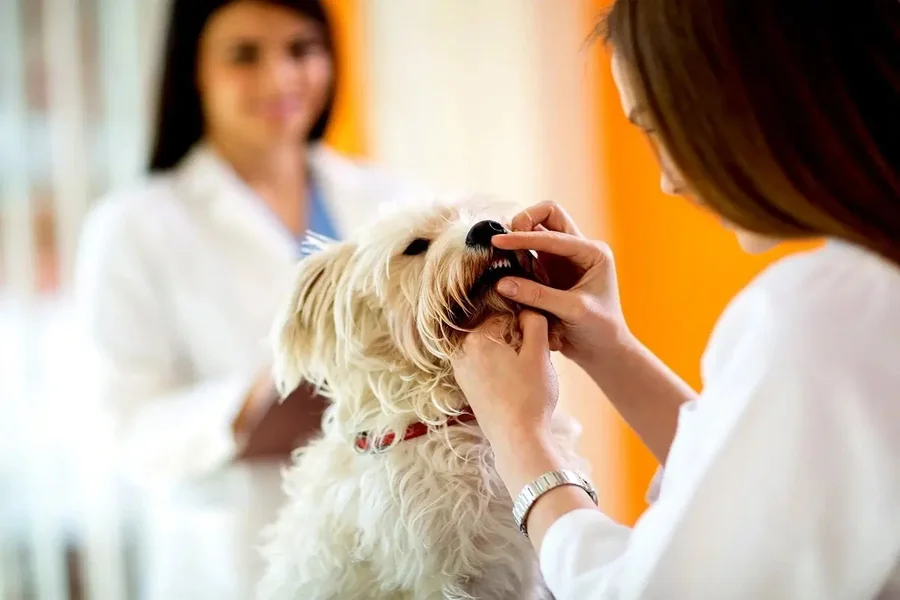
- Dental Care: Dental disease can lead to serious health problems such as heart and kidney issues. Regular dental check-ups and at-home care, including brushing your pet’s teeth, can prevent these complications.
- Grooming: Regular grooming not only keeps your pet looking good but also provides an opportunity to check for skin issues, parasites, or lumps that could indicate health problems.
- Nutrition Management: Consulting with your veterinarian about the best diet options for your pet based on their specific needs can prevent obesity and related health problems.
- Vaccination Updates: Keeping up with recommended vaccinations protects not only your pet but also the community from infectious diseases.
Behavioral Health
Preventive health is not limited to physical well-being; it also encompasses mental and emotional health. Pets, like humans, can experience anxiety, depression, and behavioral issues if not properly stimulated. Engaging your pets in activities that challenge them mentally, such as puzzle toys or obedience training, can enhance their overall quality of life. Socialization is also crucial; it helps to prevent behavioral problems that can arise from fear or aggression.
Owner Education and Involvement
As pet owners, taking an active role in your pet’s preventive health care is paramount. This involves staying informed about health trends, new vaccines, and emerging research in pet health. Utilizing reputable resources, attending seminars or workshops, and discussing any concerns with your veterinarian equips you with valuable knowledge for your pet’s well-being. Moreover, adopting a preventive mindset fosters a collaborative relationship with your vet, which is essential for tailored care that meets your pet’s unique needs.
Through commitment to preventive health measures, pet owners can nurture both the physical and emotional growth of their furry companions. Understanding these practices not only helps in averting health issues but strengthens the bond between owner and pet, ensuring endless moments of joy and companionship for years to come.
The Importance of Preventive Health in Pets
Preventive health care is crucial for maintaining the wellbeing of our beloved furry companions. Regular veterinary visits play a significant role in identifying potential health issues before they escalate. Vaccinations, parasite prevention, and dental care are just a few elements that contribute to a pet’s overall health. Understanding the various components of preventive care not only improves the quality of life for pets but also fosters a stronger bond between pets and their owners as they together navigate the path to health.
| Advantage | Explanation |
|---|---|
| Early Detection of Diseases | Regular check-ups can help spot issues like diabetes or kidney disease early, making treatment more manageable and effective. |
| Cost-Effectiveness | Investing in preventive health measures can lead to lower veterinary costs in the long run by avoiding costly emergency procedures. |
The integration of preventive care into a pet’s routine not only enhances their longevity but also adds to their quality of life. For example, consistent vaccinations protect pets from infectious diseases that could lead to serious health complications. Furthermore, routine dental cleanings can prevent dental disease, a common issue in pets that can result in pain and infection.
Understanding nutritional needs is also part of preventive health, as a balanced diet plays a pivotal role in maintaining a healthy weight and reducing the risk of obesity-related conditions. Owners are encouraged to consult with veterinarians to formulate a diet plan tailored to their pet’s age, size, and activity level.
In summary, engaging in preventive health for pets significantly impacts not just their health outcomes, but also enhances the pet-owner relationship by fostering a proactive approach to care and companionship.
DIVE DEEPER: Click here to discover more
The Role of Regular Veterinary Visits
One of the cornerstones of preventive health for pets is ensuring that they receive regular veterinary examinations. Veterinary professionals recommend that pets have at least one check-up per year, with older pets or those with existing health concerns potentially requiring more frequent visits. These check-ups often include detailed physical examinations, blood tests, and even diagnostic imaging when necessary. During these visits, veterinarians can identify subtle health changes that may indicate underlying conditions, allowing for early intervention and better prognoses.
The Importance of Parasite Prevention
Parasites like fleas, ticks, and heartworms can pose significant health risks to pets. Not only can they cause discomfort and irritation, but they can also lead to more severe health issues, including Lyme disease or anemia. Implementing a year-round parasite prevention program is a fundamental aspect of preventive health care. Products such as topical treatments, oral medications, and preventive vaccines can protect your pet from these common threats, safeguarding their health while also protecting other pets and humans from zoonotic diseases — those that can be transmitted from animals to people.
Spaying and Neutering
Another vital element of preventive health is spaying and neutering. This not only helps to control the pet population but also significantly decreases the risk of various health problems. Research suggests that spayed female pets have lower incidences of breast tumors and virtually eliminate the risk of ovarian and uterine cancers. Similarly, neutered male pets are significantly less prone to testicular cancer and certain prostate issues. Moreover, these procedures can mitigate behavioral challenges associated with mating instincts, leading to a more harmonious household.
Exercise and Enrichment
Physical activity is as crucial for pets as it is for humans. Regular exercise helps to maintain a healthy weight, which is vital in preventing a host of health issues from diabetes to joint problems. Beyond just physical health, exercise ties closely into mental well-being. Engaging in activities such as fetch, agility training, or long walks not only promotes cardiovascular health but also alleviates boredom and anxiety. Furthermore, mental stimulation through training sessions and interactive toys can contribute to better cognitive function, especially in older pets.
Pet Insurance Considerations
As the old saying goes, “An ounce of prevention is worth a pound of cure.” This rings particularly true concerning pet health, where preventive measures can significantly lower the risk of costly medical interventions down the line. Pet insurance is one method that can mitigate unexpected expenses incurred from health crises. Many policies offer comprehensive coverage for preventive services, including vaccinations, routine exams, and emergency care. Understanding different policy options can help pet owners select an appropriate plan that aligns with their pet’s needs, making preventive care more accessible and sustainable.
Community Responsibility
Lastly, preventive health in pets extends beyond individual households; it embodies a community responsibility. Ensuring pets are vaccinated not only protects their health but also contributes to the overall wellness of the pet community. Outbreaks of infectious diseases, such as parvovirus or kennel cough, can spread rapidly among unvaccinated pets, posing a risk to community health. Advocating for preventive measures through outreach programs or community events can inform pet owners about the importance of these practices, creating a ripple effect of awareness and proactive health management in the community.
LEARN MORE: Click here for tips on helping your new pet adjust
Conclusion
In summary, preventive health for pets is an essential practice that embodies a multi-faceted approach to ensuring not only the longevity but also the well-being of our furry companions. From regular veterinary visits that allow for early detection of health issues to parasite prevention that shields pets from debilitating diseases, every aspect of preventive care is vital. For instance, routine check-ups can identify conditions like diabetes or dental disease before they become serious issues, significantly increasing the chances of a positive outcome. These visits often include vaccinations, which protect against life-threatening ailments such as rabies or distemper.
Additionally, spaying and neutering contribute significantly to long-term health and behavioral stability. This practice not only reduces the risk of certain cancers but also curbs aggressive behaviors, leading to calmer pets that are easier to manage. An active lifestyle nourishes both physical and mental wellness. Pets should have regular exercise, which can include daily walks, play sessions, or even engaging in dog sports. The benefits are twofold; pets maintain a healthy weight and are less likely to develop obesity-related conditions.
Pet insurance is another critical element in preventive health care. This proactive financial strategy protects pet owners against unexpected healthcare costs and allows them to take preventive steps without the weight of financial burden. Many pet insurance plans offer coverage for preventive care visits, providing peace of mind for owners concerned about the health of their pets.
The importance of fostering a culture of preventive health extends beyond individual households; it is a shared responsibility within our communities. Educating fellow pet owners about vaccinations, regular health checks, and the repercussions of neglect creates a stronger, healthier pet community. By organizing local events, such as wellness fairs or vaccination drives, communities can improve awareness and encourage responsible pet ownership.
Ultimately, embracing a preventive health care mindset not only enhances the quality of life for pets but can also lead to more profound and enriching human-animal bonds. The relationships forged through proactive care can be incredibly rewarding. Thus, by prioritizing the health of our pets today, we invest in a brighter, healthier tomorrow for every member of the family.