The relationship between pets’ oral health and systemic diseases: how oral hygiene can impact the overall health of pets
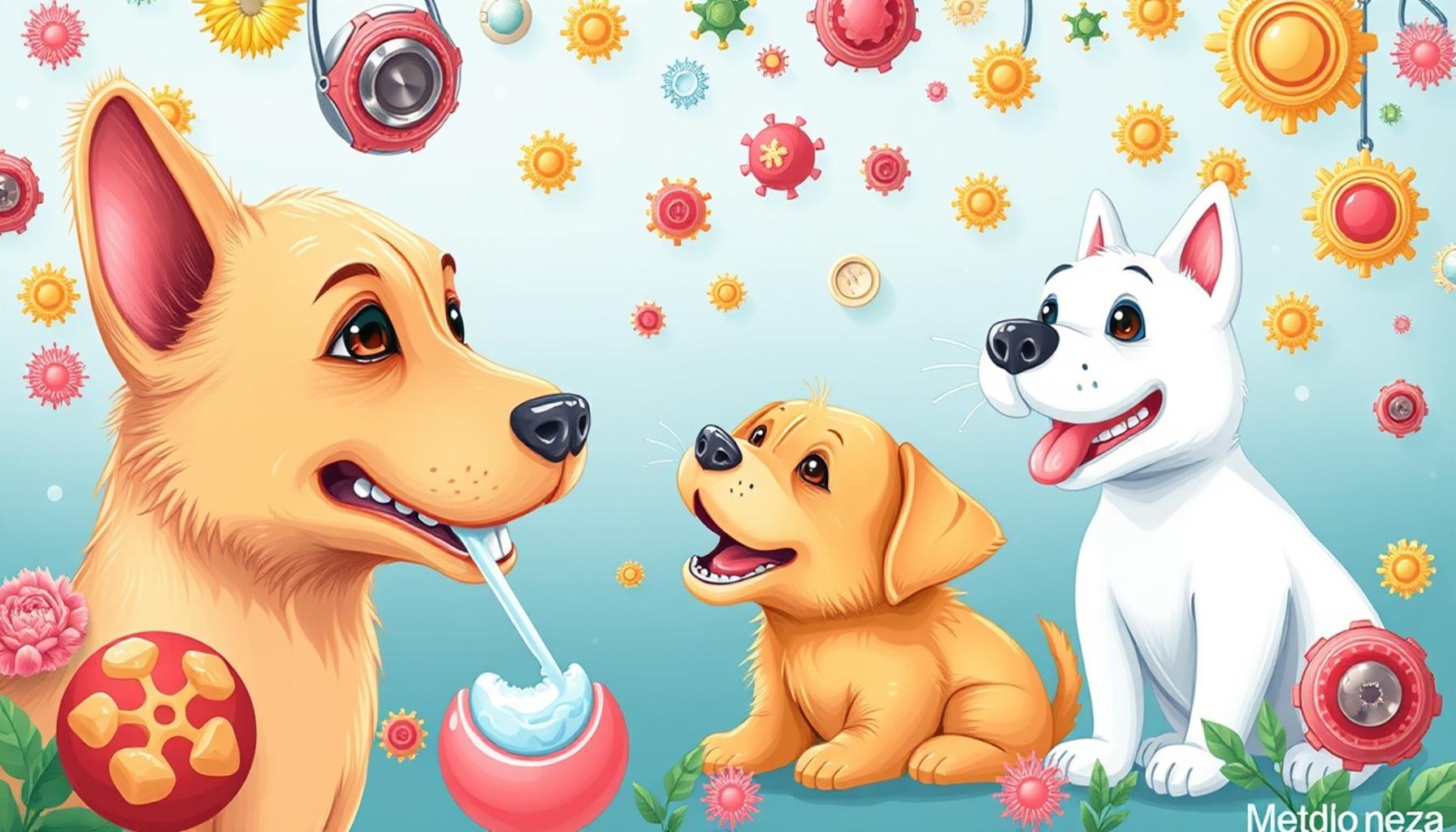
Understanding the Connection Between Oral Health and Overall Wellness in Pets
When it comes to the health of our pets, oral hygiene plays a crucial yet often overlooked role. Many pet owners may not realize that their furry friends’ teeth and gums can significantly affect their overall well-being. Poor dental health in pets is not just about unsightly plaque and bad breath; it has far-reaching health implications that can impact their quality of life and longevity. Studies show that roughly 80% of pets exhibit some form of dental disease by the age of three, making regular oral care essential.
The link between oral health and various systemic diseases is more profound than many might expect. For instance:
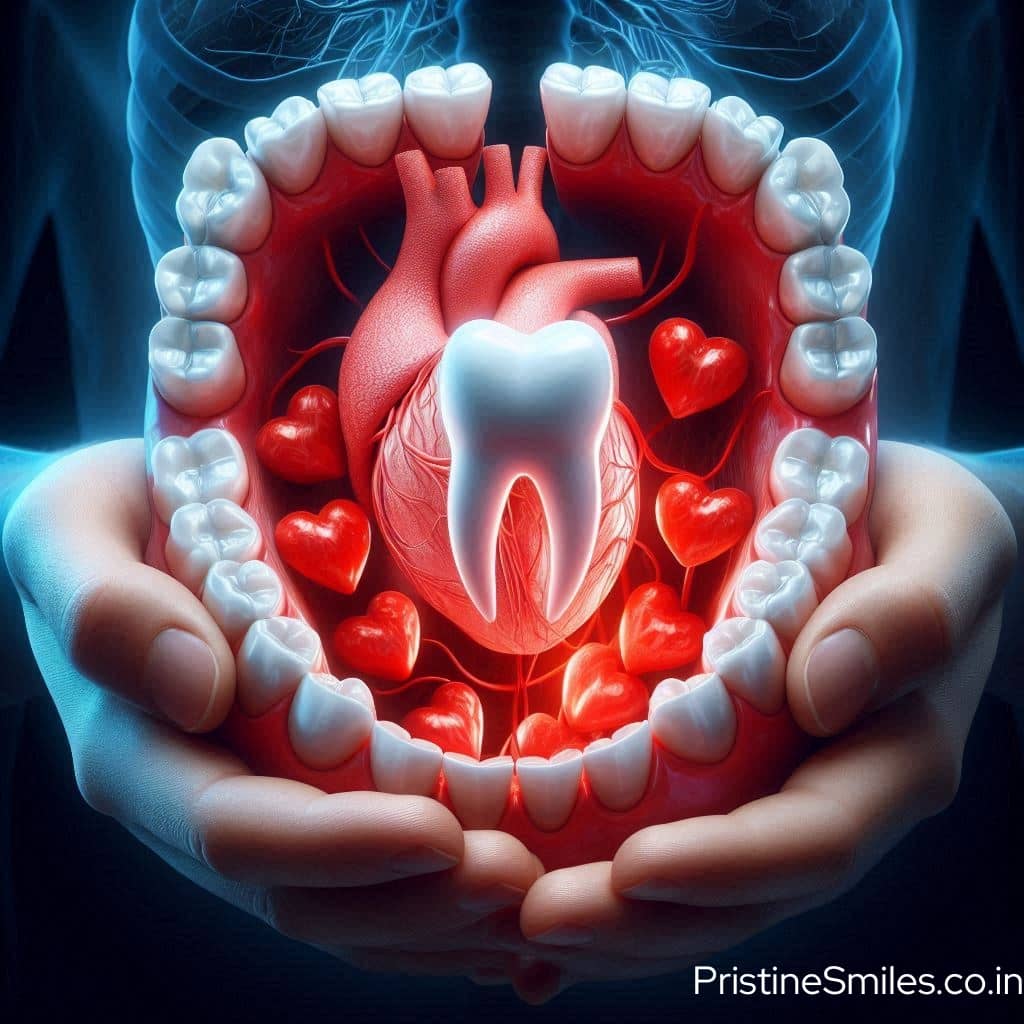
- Heart disease: Bacteria harbored in the mouth can enter the bloodstream when pets chew or groom themselves. Once in circulation, these bacteria can attach to the heart valves, leading to conditions such as endocarditis, which can be fatal if not addressed.
- Kidney problems: The kidneys serve as a filter for toxins, and untreated dental disease can lead to an influx of waste products in the bloodstream. This overload can damage kidney function over time and contribute to serious health issues.
- Diabetes: Oral infections may complicate the management of diabetes in pets. When the body is fighting infection, it can lead to spikes in blood sugar levels, making it more difficult to control diabetes effectively.
Improving your pet’s oral hygiene is not merely about preventing bad breath or tartar buildup. In fact, proper care for their teeth and gums can lead to significant health benefits:
- Enhanced longevity: Regular dental check-ups with a veterinarian can help catch issues like gingivitis, periodontal disease, or tooth decay early on, often before they become serious.
- Improved quality of life: Pets with healthy mouths tend to exhibit more energy and better moods. It is common to see pets with unresolved dental pain showing lethargy or irritability, affecting their overall disposition.
- Decreased veterinary costs: Preventive dental care is far more cost-effective than treating advanced dental disease and its associated complications. Routine cleanings can save you from larger veterinary bills in the long run.
As we dive deeper into the relationship between pets’ oral health and systemic diseases, it becomes evident how simple hygiene routines—like regular brushing, dental chews, and professional cleanings—can make a significant impact on your pet’s longevity and overall health. For example, in the United States, many veterinary clinics now offer pet dental care packages that can make oral health maintenance both accessible and affordable for pet owners.
Understanding this connection not only enhances your pet’s life but may also strengthen the bond you share with them. After all, a healthy smile can translate into a happier, more playful partner by your side. Your pet’s vitality is often reflected in their mouth; thus, investing time in their dental care is a true reflection of love and commitment to their well-being.
LEARN MORE: Click here to discover effective reward techniques
The Impact of Oral Hygiene on Systemic Health
Many pet owners are unaware that maintaining good oral hygiene can have a cascading effect on their pets’ overall health. The mouth serves as a crucial entry point for pathogens, and when dental care is neglected, it can lead to a myriad of health issues beyond just bad breath and tartar buildup. The bacteria that proliferate in a pet’s mouth can easily breach the gum line and enter the bloodstream, initiating a dangerous cycle of systemic health problems.
Research demonstrates that the oral health of pets is closely linked to several serious conditions. Here’s a closer look at how poor dental hygiene correlates with systemic diseases:
- Respiratory issues: Bacteria from periodontal disease can be aspirated into the lungs, leading to respiratory infections and chronic coughs. This is particularly concerning for older pets or those with pre-existing conditions.
- Liver disease: The liver is integral in filtering toxins, and the presence of bacteria from dental infections can overwhelm its capacity, potentially leading to inflammation or even liver failure over time.
- Joint problems: Bacteria in the bloodstream may contribute to inflammation in the joints, exacerbating conditions like arthritis and leading to chronic pain and discomfort for your furry friend.
Beyond the potential for serious systemic illness, there are several additional reasons why prioritizing your pet’s oral health can transform their overall well-being:
- Better behavior: Animals suffering from dental pain may exhibit behavioral changes such as increased aggression or withdrawal. By addressing their oral health, pets are more likely to express their natural disposition and remain engaging companions.
- Enhanced digestion: Teeth that are in poor condition can hinder proper chewing, leading to digestive issues over time. Maintaining healthy teeth helps ensure that your pet can effectively break down their food, improving nutrient absorption.
- Stronger immune system: A healthy mouth contributes to a stronger immune response. When oral health is prioritized, pets can better fend off infections and maintain a resilient constitution against various health threats.
Veterinarians frequently emphasize the importance of regular check-ups and professional cleanings as part of a comprehensive health strategy. Scheduling annual dental cleanings or adopting a daily brushing routine can drastically reduce the risk of developing gum disease and its associated complications. Pet owners in the U.S. are increasingly turning to veterinary dental specialists who offer a variety of services, including diagnostic imaging, dental surgery, and preventative care, further proving that managing your pet’s oral hygiene is not only possible but practical and imperative.
Ultimately, understanding the complex interplay between pets’ oral health and systemic diseases can empower pet owners to make informed decisions that pave the way for longer, healthier lives for their companions. By committing to regular oral care, you are investing not just in your pet’s dental hygiene but in their overall health and happiness.
In recent years, research has increasingly pointed to the critical connection between pets’ oral health and various systemic diseases. Oral hygiene plays a significant role not only in preventing dental problems but also in safeguarding pets against a range of health issues. Studies have shown that poor dental hygiene can lead to periodontal disease, which can, in turn, contribute to serious conditions such as heart disease. Bacteria from inflamed gums can enter the bloodstream, settling in the heart’s valves and leading to endocarditis.
Moreover, regularly neglecting oral care can have implications for a pet’s kidney and liver function. Toxins from untreated dental infections strain these organs over time, significantly impacting their overall efficiency. By maintaining a proper dental regimen that includes regular tooth brushing, professional cleanings, and appropriate diet, pet owners can help prevent these systemic illnesses, resulting in a healthier, happier companion.
The Importance of Awareness in Pet Owner Responsibilities
Despite the obvious advantages of good oral hygiene, many pet owners still underestimate its significance. An alarming percentage of pets show signs of dental disease by the age of three; thus, routine dental checks should not be seen as optional but rather as an integral part of veterinary care. Dental chews, special diets, and regular veterinary check-ups are valuable tools in the prevention of dental diseases, directly impacting pets’ long-term health. For pet owners keen on ensuring the well-being of their furry friends, prioritizing dental care is essential.
| Category 1 | Category 2 |
|---|---|
| Systemic Diseases | Diseases linked to poor oral hygiene, such as heart and kidney disease. |
| Preventive Care | Maintaining dental health through check-ups, brushing, and diet. |
As the body of evidence grows, it becomes increasingly clear that proactive dental care can lead to a noticeable improvement in pets’ quality of life, supporting their well-being for years to come.
LEARN MORE: Click here to find out more
Understanding the Link Between Oral Health and Disease Prevention
The relationship between pets’ oral health and systemic diseases can be even more profound when considering preventive measures. By implementing a proactive approach to oral hygiene, pet owners can significantly diminish the risk of serious health issues that often stem from poor dental care. Understanding key elements of oral hygiene can illuminate how this everyday practice is vital to the overall well-being of pets.
One of the most effective preventive measures is regular dental check-ups. According to the American Veterinary Medical Association (AVMA), nearly 80% of dogs and more than 70% of cats show signs of dental disease by age three. Given these alarming statistics, early intervention becomes crucial. During routine vet visits, professionals can not only assess the state of a pet’s oral health but also provide necessary treatments like professional cleanings that can eradicate harmful plaque and tartar buildup.
Beyond professional services, daily at-home care can also play a pivotal role. Pet owners can incorporate simple practices, such as brushing their animals’ teeth, using dental chews, or providing specialized dental diets that can help in maintaining oral health. A study published in the Journal of Veterinary Dentistry indicated that pets with regular dental care are less likely to develop serious dental disease, showcasing that consistent efforts pay off.
It’s not just about immediate care; understanding the connection between oral health and nutrition can contribute to systemic well-being as well. Feeding pets high-quality, nutritious food not only aids in maintaining strong teeth and gums but also supports their immune function. Foods rich in essential fatty acids, such as Omega-3s, can promote overall health and reduce inflammation, mitigating the risk of diseases linked to periodontal issues.
Special consideration must also be given to specific breeds that are more susceptible to dental problems. For instance, brachycephalic breeds like Bulldogs and Pugs often have overcrowded teeth which can lead to a higher incidence of periodontal disease. Similarly, small breeds tend to experience dental decay at a higher rate, making it imperative for owners to adopt tailored dental care routines that cater specifically to their pets’ needs. Understanding your pet’s breed and its unique requirements can enhance the effectiveness of your oral health strategy.
Moreover, educating pet owners about the potential warning signs related to oral diseases is crucial. Symptoms such as excessive drooling, difficulty eating, smelly breath, and pawing at the mouth can indicate a problem that needs immediate attention. Raising awareness about these symptoms can empower owners to seek timely veterinary care, thereby halting the progression of systemic diseases linked to oral health issues.
Finally, the cost of neglect can translate to both fiscal and emotional burdens. Treating advanced dental issues is often far more expensive than preventive care, and the emotional toll of seeing a pet suffer is harrowing. By investing time and resources into proper oral hygiene practices, owners not only safeguard their pets’ health but also enhance the quality and longevity of their companions’ lives. This preventive approach underscores the notion that good oral hygiene is not merely a cosmetic concern; it is a fundamental pillar of a pet’s overall health.
DIVE DEEPER: Click here to learn more about responsible pet adoption
Conclusion: The Integral Role of Oral Health in Overall Pet Well-being
In summary, the connection between pets’ oral health and systemic diseases underscores the critical importance of maintaining robust dental hygiene for our furry companions. From preventing periodontal disease to mitigating risks of heart, kidney, and liver complications, oral health stands as a pivotal factor in enhancing the overall well-being of pets. Regular dental check-ups, consistent at-home care, and a comprehensive understanding of breed-specific needs can significantly reduce the incidence of serious health issues.
The alarming statistics from the American Veterinary Medical Association, indicating that nearly 80% of dogs and more than 70% of cats exhibit signs of dental disease by the tender age of three, serve as a stark reminder to pet owners. With awareness, education, and proactive care, we can break the cycle of neglect and its consequences. Identifying early warning signs and addressing them promptly can not only protect pets from unnecessary suffering but also alleviate the financial burden of advanced dental treatments.
Ultimately, fostering good oral hygiene should be viewed not just as a routine responsibility but as a fundamental commitment to a pet’s health and happiness. By prioritizing dental care, we pave the way for a longer, healthier life for our beloved animals, ensuring they thrive for many years to come. Pet owners are encouraged to stay informed, engage with veterinary professionals, and adopt preventive strategies—because a healthy mouth is truly the gateway to a healthy pet.