Tips for Integrating a New Pet at Home: Resources for Adoption and Adaptation
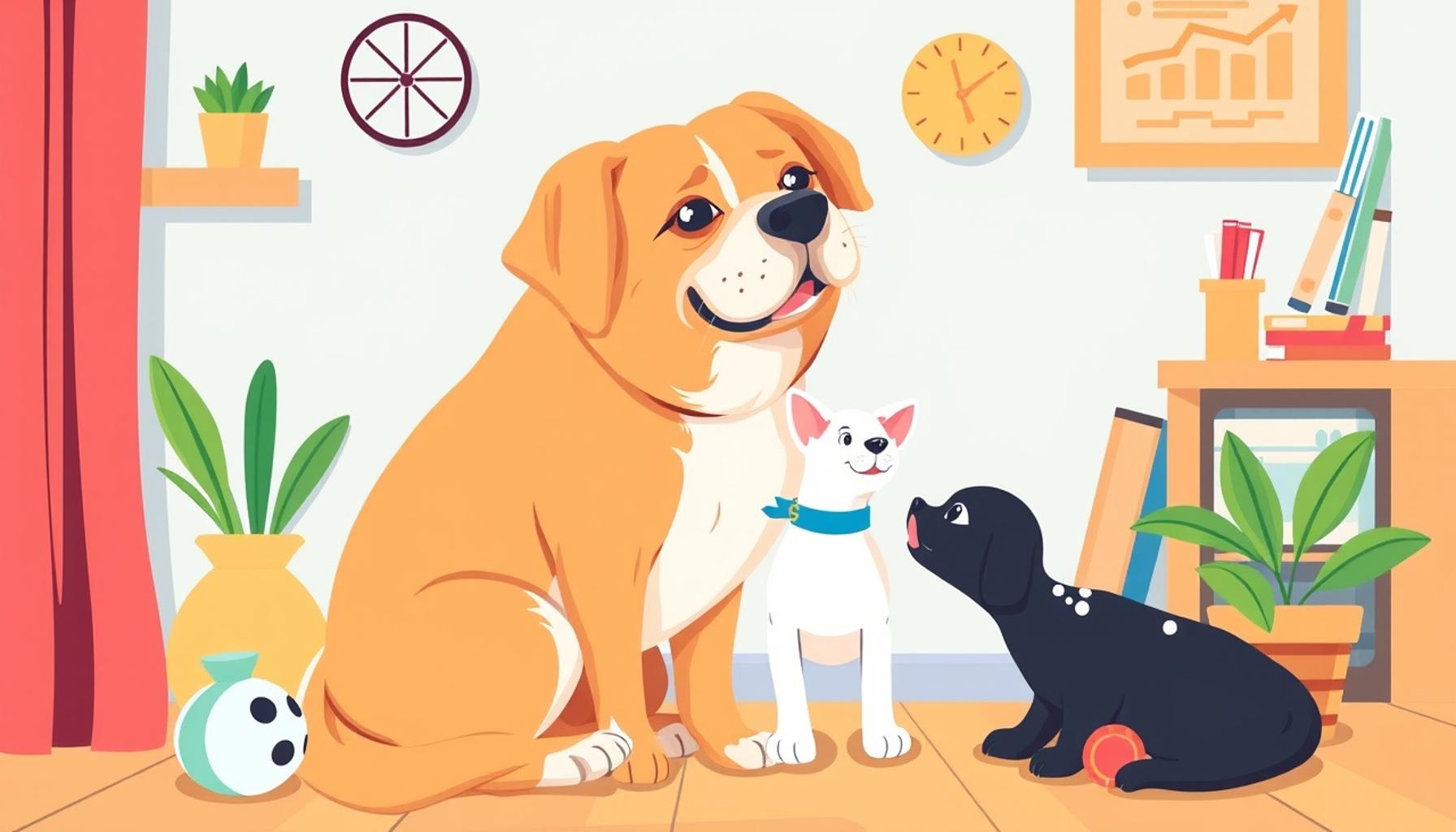
Bringing a New Furry Friend Home
Integrating a new pet into your home is both an exciting and challenging journey. The moment you decide to adopt, the adventure begins! With the right strategies and resources, you can ensure a smooth transition for both you and your new companion. Whether it’s a rambunctious puppy, a mellow senior cat, or any other furry friend, preparing for their arrival can make all the difference in creating a harmonious living environment.
Why Adoption Matters
Adopting a pet not only gives an animal a second chance but also enriches your life in numerous ways. Here are some compelling reasons to consider adoption:
- Save Lives: Every year, millions of animals enter shelters across the United States, many of which are at risk of euthanasia due to overcrowding. By adopting, you’re not only saving a life but also creating space for another animal in need.
- Companionship: Pets offer more than just company; they provide unconditional love and emotional support. Studies have shown that having a pet can decrease stress, lower blood pressure, and improve overall mental health.
- Community Impact: Adopting a pet helps combat pet overpopulation and supports local animal welfare efforts. In your community, each adoption not only provides a home for a pet but also contributes to funding and resources for shelters and rescue organizations.
Preparation is Key
Successful integration requires careful planning and preparation. Before bringing your new companion home, consider these essential tips:
- Create a Safe Space: Designate an area in your home—like a quiet room—where your new pet can feel secure and acclimate to their surroundings. This space should have their bed, toys, and a few comforting items to help them ease into their new life.
- Gather Resources: Ensure you have the necessary supplies, such as food, toys, litter, grooming tools, and identification tags ready before your pet arrives. Having these items handy will alleviate stress and allow you to focus on bonding with your new friend.
- Learn About Their Needs: Research the specific care requirements for the breed or type of pet you are adopting. Each animal is unique; understanding their nutritional, exercise, and social needs can greatly enhance their well-being. For instance, a high-energy breed like a Border Collie may require more physical activity compared to a laid-back Bulldog.
By understanding the adoption process and preparing adequately, you’ll set the stage for a successful bond with your new pet. The emotional rewards of pet adoption are profound, as you not only welcome a new friend into your life but also contribute positively to the life of an animal in need. In the following sections, we will delve deeper into practical tips and resources that can ease this transition and help you make the most of your new shared life.
DISCOVER MORE: Click here to learn how proper nutrition can safeguard your pets

Essential Steps for a Seamless Transition
Once you’ve decided to welcome a new pet into your home, it’s time to focus on how you can facilitate a smooth transition. The integration process can be a bit overwhelming, but with the right approach, it can also be incredibly rewarding. Here are some key strategies to ensure that both your new furry friend and your family feel comfortable and safe.
Understanding the New Arrival
Before your pet steps into their new home, it’s crucial to understand their temperament and history. Each animal has a unique personality shaped by their past experiences, and this knowledge can guide you in creating a nurturing environment. Some pets may adapt quickly, while others might need more time and patience. Consider the following:
- Behavioral Assessment: If you adopted from a shelter or rescue, inquire about your pet’s behavior in their prior environment. Knowing their likes and dislikes can help you navigate their integration. For instance, if a dog is shy around strangers, introducing them gradually will lower their anxiety levels.
- Health Checkup: Schedule a visit to a veterinarian soon after adoption. This appointment will establish a health baseline and ensure necessary vaccinations and treatment are up-to-date, making both you and your pet feel secure.
- Temperament Considerations: Consider the temperament of your pet. For example, a high-energy dog may require more physical activity and mental stimulation, while a cat may need a quieter space to acclimate without feeling overwhelmed.
Building a Bond through Routine
Creating a consistent routine not only helps your new pet feel secure but also strengthens your relationship. Animals thrive on predictability, so establishing a daily schedule for meals, playtime, and training sessions can lead to a happier and more confident pet. Here are some tips:
- Regular Feeding Schedule: Feed your pet at the same times each day. This not only helps with training but also fosters a sense of stability in their new environment.
- Supervised Socialization: Gradually introduce your pet to family members and other pets in the household. Monitor these interactions to ensure everyone feels safe.
- Positive Reinforcement Training: Use positive reinforcement techniques during training sessions. Reward good behavior with treats and affection to encourage a trusting bond.
By focusing on understanding your new pet’s individual needs and creating a consistent routine, you’ll lay the groundwork for a successful relationship. These initial steps are vital in helping both you and your new companion adapt to each other. In the next sections, we will explore additional tips for socialization, tools for pet acclimation, and community resources to further assist you on this joyful journey of pet adoption and adaptation.
Understanding Your New Pet’s Needs
When bringing a new pet into your home, it’s essential to recognize that each animal comes with unique needs and behaviors. Understanding these requirements can significantly simplify the adaptation process. For example, dogs typically need regular exercise, mental stimulation, and social interaction, while cats may thrive with a combination of independent playtime and cozy resting areas. Additionally, consider the importance of proper nutrition. Research the nutritional needs specific to your pet’s breed and age to ensure they receive a balanced diet that promotes good health.
Creating a Safe Space
Before your new pet arrives, prepare a designated area that is both safe and comfortable. This space should be free from hazards and stocked with essentials such as food and water bowls, a bed, and toys. For dogs, introduce a crate as a safe retreat and a training tool. For cats, ensure there are climbing structures and hiding spots available. This area acts as both a sanctuary and an adjustment zone, allowing your pet to explore their new surroundings at their own pace.
Establishing a Routine
A consistent daily routine helps pets acclimate to their new environment more quickly. Set specific times for feeding, walks, and play sessions. This predictability helps to build trust and reinforces your role as a caregiver. Incorporating positive reinforcement techniques during training sessions can further strengthen your bond. For example, rewarding desired behavior with treats or praise fosters a supportive atmosphere conducive to learning and adaptation.
Utilizing Resources
Don’t hesitate to leverage available resources for adoption and adaptation. Numerous local and online groups offer valuable tips, training resources, and socialization meet-ups for new pet owners. For instance, websites like the ASPCA and Petfinder not only provide informative articles and guides but can also connect you with veteran pet owners and trainers for personalized advice. Some shelters even have programs to support new pet owners through their initial adjustment period.
Ongoing Socialization
Socialization should not be a one-time event; it is an ongoing process that can significantly impact your pet’s behavior and well-being. Gradually introduce your pet to new people, environments, and other animals to assist in developing their social skills. This exposure helps prevent potential behavioral issues down the line. Remember to monitor their progress and provide encouragement as they navigate these new experiences.By embracing these tips and utilizing the wealth of resources available, you can ensure a smooth transition for your new furry family member, creating a happy and harmonious home.
DIVE DEEPER: Click here to learn more
Creating a Safe and Welcoming Environment
Establishing a safe haven for your new pet is a fundamental part of their integration process. A welcoming environment allows them to feel comfortable and reduces the stress of transitioning to a new home. Here’s how to create an inviting space for your furry family member:
Designating a Personal Space
Just like humans, pets need a space they can call their own. Designating a specific area can foster a sense of security. Here are some ideas:
- Cozy Bed or Crate: Provide a comfortable bed or a crate where your pet can retreat. If you opt for a crate, keep the door open initially so your pet can explore it without feeling trapped.
- Safe Zone: Select a quiet area in your home where your new pet can relax without disturbances. This should be away from high-traffic areas, especially during the initial adjustment phase.
- Familiar Items: If possible, bring familiar toys, bedding, or items from your pet’s previous environment. These familiar smells can have a calming effect and ease their transition.
Managing Pet-proofing
In addition to designating a safe space, ensuring your home is pet-proofed is essential. This precaution protects both your new companion and your belongings. Here are some tips for pet-proofing:
- Remove Hazards: Go through your home and remove any items that could pose a safety threat, such as poisonous plants, small objects that can be swallowed, or accessible electrical cords.
- Secure Trash Bins: Keep trash bins covered and out of reach to prevent curious paws from digging through and potentially ingesting harmful items.
- Windows and Balconies: Ensure that windows are securely screened and balconies have railings to prevent your pet from escaping or falling.
Socialization Tips for a Well-Adjusted Pet
Socialization is an important part of helping your new pet adjust to their new life. Proper socialization can prevent behavioral issues and promote a well-rounded and confident companion. Take a look at these socialization strategies:
Gradual Introductions
Introducing your new pet to various aspects of their environment should be done gradually. This method decreases fear and builds positive experiences. Here are ways to approach this:
- Meeting People: Start with family members, allowing each person to introduce themselves one at a time. Offer treats during these introductions to create positive associations.
- Familiarizing with Sounds: Expose your new pet to common household sounds, such as doorbells or vacuum cleaners, gradually. This familiarizes them with their new environment and reduces anxiety.
- Encountering Other Pets: If you have existing pets, ensure that introductions are supervised. Allow them to sniff each other at their own pace, and reward positive interactions.
Utilizing Training Classes
Enrolling your new pet in training classes is another excellent way to promote socialization. Not only does it provide essential skills, but it also offers exposure to new environments and other animals:
- Obedience Classes: These can help your pet learn basic commands while fostering a bond with you. Look for classes that use positive reinforcement methods for the best results.
- Socialization Groups: Many pet training facilities offer socialization-oriented classes where your pet can interact with other dogs or cats, helping them become more comfortable around different animals.
- Behavioral Workshops: If your pet exhibits certain behavioral issues, seek out workshops that specifically address those challenges, ensuring a more tailored socialization experience.
By carefully setting up your new pet’s environment and implementing effective socialization strategies, you create a nurturing space that promotes confidence, reduces anxiety, and strengthens your bond together. As you embark on this journey of pet adoption and adaptation, there are numerous community resources and programs available to assist you further in enhancing your pet-parent experience.
DISCOVER MORE: Click here to learn about your pet’s nutrition
Conclusion
Integrating a new pet into your home can be a rewarding yet challenging journey. By prioritizing a safe and welcoming environment, you set the foundation for a smooth transition. Utilizing strategies such as designating a personal space and pet-proofing your home can significantly reduce anxiety for your new companion. Furthermore, embracing gradual introductions and engaging in socialization techniques, including training classes, can cultivate a confident and well-adjusted pet.
In addition to your efforts at home, take advantage of the various community resources available—ranging from local shelters and adoption agencies to online forums and training workshops. These resources not only provide essential guidance on pet adaptation but also connect you with fellow pet owners who can share their insights and experiences.
As you embark on this emotional journey, remember that patience and understanding are key. Each pet comes with its own unique history and temperament, requiring you to adapt your approach to their individual needs. With time, love, and the right strategies, you will not only witness a nurturing bond develop but also gain a loyal companion for years to come. So, dive into the world of pet adoption and give a deserving animal a forever home, while discovering the joy and fulfillment that comes from being a dedicated pet parent.