Positive Reinforcement: The Key to Successful Dog Training
Understanding the Power of Positive Reinforcement
In the realm of canine training, positive reinforcement emerges as a transformative approach that encourages desirable behavior through rewards rather than punishment. This method not only builds a strong, healthy bond between you and your dog but also makes the training process enjoyable for both parties. To understand the effectiveness of this technique, it’s essential to dive deeper into its mechanics and implications.
The Science Behind Positive Reinforcement
What makes positive reinforcement particularly effective is rooted in behavioral science. When a dog performs a task or exhibits a behavior that is met with a reward—be it treats, praise, or playtime—the likelihood of that behavior being repeated increases significantly. This outcome is supported by numerous studies indicating that dogs trained using this method demonstrate quicker learning rates and longer-lasting behavioral changes compared to those trained through traditional, punishment-based methods.
Key Benefits of Positive Reinforcement
Exploring the advantages of positive reinforcement reveals several key benefits that resonate well with dog owners:
- Enhanced Learning: Dogs trained with positive reinforcement techniques often grasp commands and tricks faster. For instance, a puppy that receives a tasty treat for sitting on command is likely to learn more quickly than one that is subjected to negative reprimands for not sitting.
- Improved Behavior: Positive reinforcement tends to lower anxiety levels in dogs, promoting a sense of safety and confidence. For example, a dog that feels secure enough to explore its environment without fear of punishment is more likely to exhibit socially acceptable behavior.
- Strengthened Relationship: This training method fosters emotional connections. Dogs trained with kindness and reward are more trusting and affectionate, making them more receptive to their owner’s commands and cues.
Real-Life Applications
Many American dog owners can attest to the transformative power of positive reinforcement in their training routines. Take the example of a rescue dog that had previously experienced neglect. With consistent positive reinforcement, this dog learned to respond to basic commands and became more sociable over time. Owners reported a reduction in aggressive tendencies, attributing these changes to the nurturing environment created through rewarding good behavior.
As you explore the world of dog training, remember that the principles of positive reinforcement are not merely trends; they are essential building blocks for effective communication and trusted companionship with your canine friend. With practical tips and hands-on examples, you will be well-equipped to implement these strategies and witness significant behavioral improvements in your dog.

DISCOVER MORE: Click here for effective reward techniques
Implementing Positive Reinforcement Techniques
Utilizing positive reinforcement techniques in dog training not only enhances the learning experience for your furry friend but also strengthens the bond between you and your pet. Understanding various practical methods can make the integration of these strategies seamless in your daily routine. An effective approach uses consistent rewarding techniques that transform training into a positive and enjoyable experience for both you and your dog.
Effective Reward Strategies
For positive reinforcement to be effective, the rewards must hold significance for your dog. Here are several strategies that can enhance the motivational aspect of your training sessions:
- Tasty Treats: Incorporating high-value treats is a game changer. For instance, small pieces of cooked chicken, hot dogs, or even small cheese cubes can be incredibly enticing for many dogs. By using these special treats solely during training, you ensure that your dog remains enthusiastic and engaged. Remember, the goal is to reward the desired behavior, so always have these treats on hand when starting a training session.
- Verbal Praise: Verbal acknowledgment can significantly boost a dog’s confidence and morale. Using enthusiastic phrases like “Good boy!” or “Awesome job!” not only marks the success of the desired behavior but also ingrains a sense of achievement within your dog. It’s important to deliver praise in an upbeat tone that conveys your excitement.
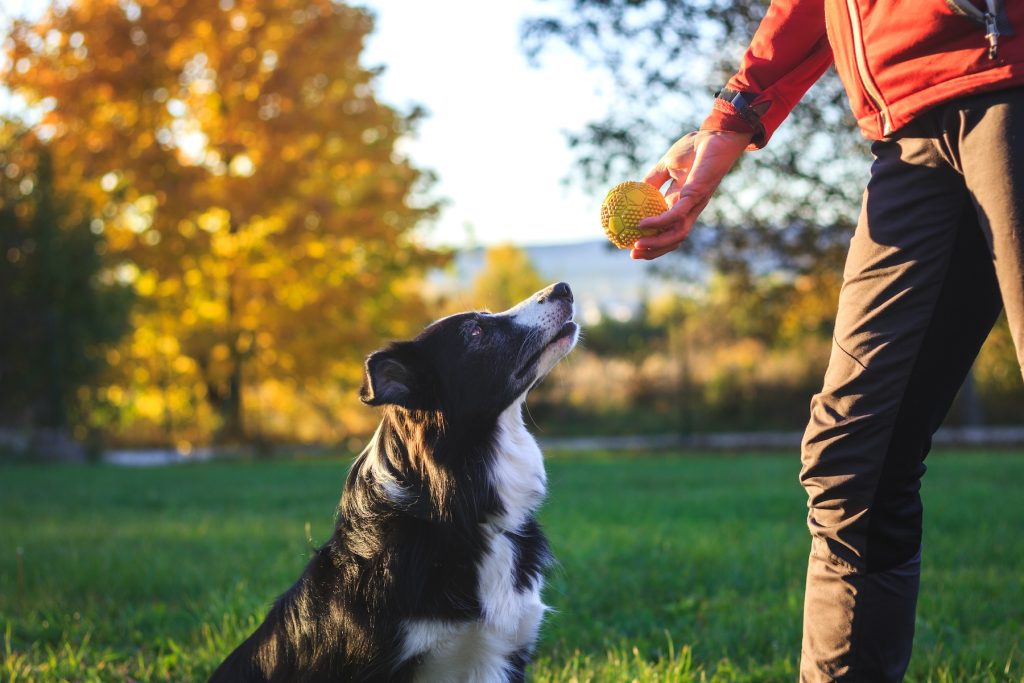
- Playtime: Many dogs find immense joy in play. Utilizing their favorite activities as a reward, such as a spirited game of fetch or a thrilling tug-of-war session, can be a highly effective motivation tool. This not only reinforces good behavior but also provides an opportunity for physical exercise and mental stimulation.
Establishing Clear Commands
Clarity in commands is another essential element of successful positive reinforcement. Dogs flourish in structured environments, and using specific, concise commands helps them understand what is expected of them. Instead of vague phrases like “be good,” opt for distinct commands such as “sit,” “stay,” or “come.” Each clear instruction paired with appropriate reinforcement enhances your dog’s learning process and builds their confidence as they grasp what each command entails.
The Timing of Reinforcement
Effective timing is crucial when implementing positive reinforcement. The sooner the reward is given following the desired behavior, the stronger the association your dog will make. For instance, if you instruct your dog to “sit” and they comply, reward them immediately with a treat or enthusiastic praise. This immediate reinforcement not only solidifies the command in your dog’s mind but also accelerates their learning process. Delaying rewards may confuse your dog, leading to a misunderstanding of which behavior is being rewarded.
By mastering the mechanics of positive reinforcement, dog owners can create an effective training regimen that enhances learning and transforms “hard-to-train” dogs into well-behaved companions. Throughout your training journey, considering enrolling in classes or seeking advice from professional trainers who prioritize positive reinforcement methods can be invaluable. This approach fosters not only better behaviors in your dog but also deepens the emotional bond you share as you navigate the world together. Embrace the journey, as it not only results in a well-disciplined pup but also creates lasting memories during your adventures together.
| Advantage | Description |
|---|---|
| Enhanced Bonding | Positive reinforcement fosters a stronger relationship between the dog and owner, promoting trust and communication. |
| Increased Motivation | Dogs are more likely to engage and respond effectively when motivated by rewards instead of fear or punishment. |
| Long-term Learning | Training using this method leads to lasting behavioral changes, as dogs remember positive experiences associated with specific actions. |
| Reduced Anxiety | By minimizing the use of negative consequences, positive reinforcement helps to lower stress levels in dogs, allowing them to learn in a safe environment. |
Positive reinforcement is an essential part of effective dog training. This approach ensures that dogs are taught not just to obey but to thrive. Training sessions become positive experiences where both dog and owner create a harmonious environment. Engaging your dog with rewards like treats, praise, or playtime not only improves obedience but also strengthens the bond you share. With less stress and fear involved, dogs are likely to be more open to learning, increasing their enthusiasm during training. If you’re considering how to train your dog successfully, exploring positive reinforcement methods can pave the way to a more rewarding relationship and an obedient pet. Delve deeper into effective training techniques to better understand how positive reinforcement can transform your dog’s behavior and enhance their learning process.
DISCOVER MORE: Click here to learn about the latest innovations for your pets
Challenges and Solutions in Positive Reinforcement
While positive reinforcement is an effective training method, there can be challenges that arise in the process. Understanding these hurdles and knowing how to address them can ensure a smoother training journey for both you and your dog.
Overcoming Distractions
One common obstacle in training is the presence of distractions. Whether it’s other dogs at the park, surrounding noises, or exciting smells, these distractions can make it difficult for your dog to focus and respond to commands. To mitigate this, start training in a controlled environment where distractions are minimal. Gradually introduce your dog to busier settings as they become more confident. If your dog gets distracted while responding to a command, redirect their attention back to you with a high-value treat. This helps reinforce the idea that focusing on you is what leads to rewards.
Sustaining Motivation
An effective training session hinges on maintaining your dog’s motivation. If your pup seems to lose interest, it could be a sign that the rewards you’re using are not enticing enough. Monitor their enthusiasm and experiment with different types of rewards, such as varying the treats or incorporating new play methods. Some dogs may respond better to a quick game or a favorite toy rather than treats alone. Additionally, keep training sessions short and engaging—around 5 to 10 minutes—so your dog remains attentive and excited by the time the session ends.
Incorporating Consistency
For positive reinforcement techniques to truly flourish, consistency is key. The same command should always elicit the same response from you. It’s essential to all family members use consistent verbal cues and rewards to prevent confusion. Furthermore, reinforcing rules consistently will help your dog understand that certain behaviors are acceptable while others are not. For instance, if your dog is not allowed on the couch, this boundary shouldn’t change sporadically. Instead, use positive reinforcement to train them to seek alternative comfortable places when they’re looking to relax.
Understanding Timing and Gradual Challenges
In conjunction with immediate rewards, timing can also encompass how gradually you increase challenges during training. Once your dog masters a certain command in a calm environment, it’s time to add complexity. For example, if your dog has learned to “sit” at home, try practicing in front of a friend or at a busy park. This is where timing in reinforcement again plays a critical role; reward them promptly when they succeed in a more challenging scenario, ensuring they make the connection that the command applies no matter the environment.
Lastly, tracking your dog’s progress can be incredibly beneficial. Keeping a training journal where you note their success with commands, various distractions, and types of rewards can guide future sessions and provide insight into which strategies yield the best results. This not only helps in maintaining consistency but also encourages a reflective practice that enhances your overall training strategy.
DISCOVER MORE: Click here to learn effective socialization techniques
Conclusion
In summary, positive reinforcement remains a powerful cornerstone of effective dog training, fostering not only compliance but also a lasting bond between you and your furry friend. This training method prioritizes rewards over punishment, creating a more approachable learning environment. By leveraging the strategies of overcoming distractions, sustaining motivation, ensuring consistency, and mastering timing, you empower your dog to thrive both in training sessions and everyday life.
As you explore positive reinforcement, remember that every dog is unique, and adaptability is crucial. What motivates one dog may not work for another, so be prepared to experiment with different rewards and training techniques. Keep in mind that tracking progress can elucidate your pup’s specific needs and help you refine your approach.
Furthermore, embracing this positive method not only benefits your dog but also reinforces a culture of understanding and cooperation. As you continue to build upon these principles, you’ll likely find that your relationship grows stronger, resulting in a well-trained dog that exhibits good behavior with enthusiasm. For pet owners in the United States and beyond, investing in positive reinforcement techniques sets the stage for a lifetime of happy companions who understand their place in the family. Thus, as you embark on this rewarding training journey, remember that patience and persistence are key, and the results will speak for themselves.