Positive Reinforcement: The Key to Effective Dog Training

The Effectiveness of Positive Reinforcement in Dog Training
The journey of dog training is pivotal for both pets and their owners, shaping a harmonious cohabitation. One method that stands out for its humane and effective approach is positive reinforcement. This training style revolves around rewarding favorable behaviors, which promotes a positive cycle of action and response, fostering an enriching learning environment.
But what are the specific reasons behind the rise in popularity of positive reinforcement among trainers and dog owners alike? Here are several compelling factors:
- Encourages Trust: When a dog receives rewards—whether in the form of treats, praise, or playtime—every time it exhibits a desired behavior, it begins to associate its owner with positive experiences. This builds a foundation of trust and strengthens the bond between dog and owner, leading to better communication and understanding in the long run.
- Increases Learning: Studies suggest that dogs trained with positive reinforcement acquires new commands and tricks more swiftly. For instance, a dog learning to sit may quickly understand the cue when rewarded consistently with treats or affectionate praise. This method not only facilitates faster learning but also enhances the dog’s ability to retain information, making it easier for them to remember previous training sessions.
- Reduces Fear: Many dogs have negative associations with punishment-based training, which can evoke fear and anxiety. Conversely, positive reinforcement establishes a stress-free environment, helping your dog feel safe and content. This reduction in fear leads to more relaxed, confident behaviors and a willingness to engage in training exercises.
In the United States, numerous trainers advocate for positive reinforcement techniques. Organizations like the Association of Professional Dog Trainers highlight numerous studies underscoring its positive outcomes, revealing that dogs trained this way exhibit fewer behavioral issues, are better socialized, and are generally happier. This shift towards thoughtful training methods reflects a growing recognition of canine emotional health and well-being.
As we delve deeper into the mechanics of positive reinforcement, we will explore practical techniques, such as clicker training, where a click sound marks the desired behavior followed by a reward. Additionally, we will share success stories from dog owners who have witnessed transformative changes in their pets through this method. Whether you are a seasoned trainer or a first-time dog owner, embracing positive reinforcement can lead to a more fulfilling and enjoyable relationship with your furry friend.
DISCOVER MORE: Click here to learn how proper nutrition can protect your pets
Understanding Positive Reinforcement Techniques
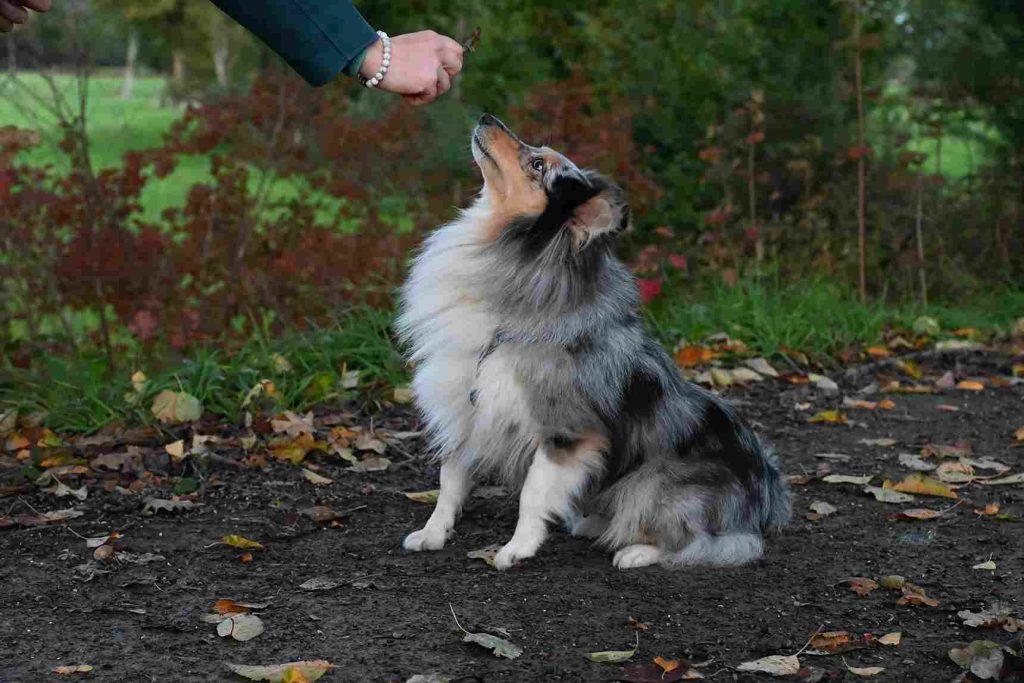
Positive reinforcement involves several techniques that have proven effective for both novice and experienced dog owners. Central to this method is the principle of timing; rewarding a dog immediately after desired behavior reinforces the connection between the action and the reward. This rapid response is crucial for the dog to understand exactly what it is being rewarded for, leading to quicker learning and better retention of commands. Here are a few popular techniques that illustrate the core of positive reinforcement:
- Clicker Training: One of the most widely recognized forms of positive reinforcement is clicker training. This technique uses a small handheld device that emits a distinct ‘click’ sound to mark the precise moment a dog performs the desired behavior. Following the click, a reward, typically a treat, is given. This method enables clear communication, allowing dogs to grasp commands and tricks more effectively.
- Verbal Praise: Simple verbal praise can work wonders in motivating dogs. A heartfelt “good boy” or “good girl” can reinforce good behavior just as efficiently as any treat. Dogs thrive on positive feedback, and using a cheerful, enthusiastic tone can elevate their spirits and encourage them to repeat desired actions.
- Treat Rewards: Food treats remain one of the most compelling motivators for dogs. By using small, tasty rewards, trainers can capture and maintain a dog’s attention during training sessions. It’s important to choose treats that are healthy and suitable for the dog’s dietary needs, ensuring that the rewards do not lead to unhealthy weight gain.
Moreover, the simplicity of these methods allows them to be integrated into everyday scenarios, such as rewarding a dog for sitting quietly while waiting for meals or for coming when called. This flexibility means that positive reinforcement can become an integral part of a dog’s daily environment. Studies show that when dogs are trained using a combination of these techniques, they are not only more inclined to display the desired behavior but often remain eager to engage in training sessions, making learning a more enjoyable experience for both the dog and their owner.
An important aspect of positive reinforcement is knowing when to fade out the rewards gradually. As a dog learns a command, trainers can start to reduce the frequency of treats while still using praise or clickers to reinforce behavior. This gradual shift mimics real-life situations, where rewards may not always be readily available, thus preparing dogs for various environments.
Understanding and implementing positive reinforcement presents a compelling alternative to traditional training methods. Not only does it foster a collaborative relationship between dog and owner, it also nurtures emotional stability and social skills in dogs. The principles of positive reinforcement align with a growing cultural awareness concerning the compassionate treatment of animals, advocating for a more thoughtful approach to pet training across the United States.
| Advantages | Details |
|---|---|
| Improved Behavior | Using positive reinforcement, dogs are more likely to repeat desired behaviors, resulting in a well-mannered pet. |
| Strengthened Bond | Engaging in this training method fosters a deeper connection between the owner and their dog through trust and respect. |
| Increased Motivation | Dogs respond well when they are rewarded with treats, praise, or play, leading to a more motivated and enthusiastic learner. |
| Reduction in Fear | This approach minimizes anxiety and fear, encouraging dogs to learn in an environment where they feel safe and secure. |
Positive reinforcement is not only beneficial for training effectiveness but also plays a crucial role in the overall well-being of the dog. This technique encourages dogs to express their natural behaviors without the fear of punishment, leading to happier and healthier canines. Consequently, understanding and implementing positive reinforcement in your dog training regimen opens the door to a wealth of opportunities for growth, trust, and companionship. The positive impact on both training and the human-animal bond encourages dog owners to explore this effective strategy further.
DISCOVER MORE: Click here to learn about a balanced diet for your dog
Benefits of Positive Reinforcement in Training
Utilizing positive reinforcement in dog training goes beyond just establishing a foundational behavior set; it enhances the overall well-being of both the dog and the owner. The primary gains stem from improved mutual understanding and an increase in trust between dogs and their humans. When dogs associate their owner’s feedback with enjoyable experiences, they are more likely to explore and respond positively during training sessions, leading to dynamic interactions.
Additionally, studies emphasize that dogs trained with positive reinforcement exhibit significantly fewer signs of stress and anxiety compared to those subjected to punitive methods. A report published by the American Society for the Prevention of Cruelty to Animals (ASPCA) supports this, indicating that dogs trained through reward-based methods tend to display more stable behavioral patterns and fewer instances of aggression or fear-related behaviors. This suggests a strong link between the training method and the emotional and behavioral health of the canine.
Consistency is another critical component of effective dog training. When owners consistently apply positive reinforcement techniques, dogs can better discern the behaviors they are being rewarded for. This creates a predictable learning environment, minimizing confusion and leading to more robust skill acquisition. Moreover, consistency helps build a habitual response in dogs, ensuring they respond correctly even as they face distractions or varying situations.
When it comes to training, the concept of shaping takes center stage. Shaping involves rewarding successive approximations of a desired behavior. For instance, if a trainer wants their dog to perform a complex task, such as rolling over, they can start by rewarding the dog for simply lying down at first. As the dog becomes more comfortable, rewards can be adjusted for progressively complex actions—like the dog moving from lying down to rolling over. This gradual approach fosters confidence in dogs, encouraging them to try new behaviors without fear of failure.
- Social Interaction: Dogs trained with positive reinforcement are generally more sociable. They are more inclined to interact positively with other dogs and humans due to their elevated confidence levels and lack of fear or aggression towards unfamiliar stimuli.
- Enhanced Learning: The enjoyable nature of positive reinforcement leads to longer attention spans during training sessions. Dogs become eager to learn, creating a dynamic where they actively engage in the training process rather than passively enduring it.
- Long-term Retention: Training that uses positive reinforcement has shown to lead to longer-lasting behavioral changes in dogs. This is critical for commands that need to be retained over a lifetime, ensuring that trained behaviors remain intact throughout a dog’s life.
Moreover, the ripple effect of positive reinforcement extends beyond mere command learning. Owners often find themselves more invested in their dogs’ training, creating a joyous atmosphere that strengthens their bond. Onlookers can also observe the relaxed and friendly demeanor of dogs trained through these methods, highlighting how a nurturing approach can lead to well-mannered companions.
As dog owners in the United States become increasingly aware of the adverse effects of traditional, punitive training methods, the shift toward positive reinforcement marks a significant evolution in how we view animal training. By embracing this compassionate approach, owners can not only train effectively but also foster a dog’s emotional intelligence and behavioral resilience, resulting in a more harmonious coexistence within the household.
LEARN MORE: Click here to discover the benefits of a balanced diet for your dog
Conclusion: The Lasting Impact of Positive Reinforcement
In the realm of canine training, positive reinforcement stands out as a transformative approach, revolutionizing the way we communicate with our furry companions. This method is not just about simple commands; it creates a strong bond rooted in trust and understanding. As highlighted throughout this article, the flexibility, effectiveness, and humane nature of positive reinforcement methods facilitate an enriching training experience for both dogs and owners.
With potential behavioral issues mitigated and emotional well-being enhanced, dogs trained using positive reinforcement show marked improvements in social interactions and overall stability. Moreover, their eagerness to engage and learn creates a productive training environment that benefits from both consistency and creativity. Utilizing techniques such as shaping allows owners to guide their dogs in a way that is both rewarding and stress-free.
Furthermore, the growing recognition of the benefits associated with positive reinforcement resonates deeply within the broader context of animal welfare. As American dog owners increasingly seek humane training practices, embracing this approach represents not only an evolutionary shift in dog training techniques but also a commitment to nurturing a dog’s emotional and psychological health.
Ultimately, investing in positive reinforcement as a training method enhances the quality of life for our dogs, fosters lasting relationships, and promotes a more harmonious living environment. To truly elevate your training endeavors, consider integrating these techniques into your daily interactions with your canine companion, and experience the profound difference it makes in shaping well-mannered, confident, and happy dogs.