The Importance of Responsible Pet Adoption

Understanding Responsible Pet Adoption
Every year, millions of animals enter shelters across the United States, hoping for a second chance. Responsible pet adoption is essential not only for the well-being of these animals but also for the families that welcome them into their homes. It involves thoughtful decision-making and a commitment to the entire lifecycle of a pet. In a country where approximately 6.3 million companion animals enter shelters annually, understanding and embracing the principles of responsible adoption is more crucial than ever.
Why Responsible Pet Adoption Matters
- Reduces Overpopulation: Adopting rather than buying pets significantly helps combat the overpopulation crisis in shelters. The American Society for the Prevention of Cruelty to Animals (ASPCA) estimates that about 1.5 million shelter animals are euthanized each year, a heartbreaking statistic that can be reduced through responsible adoption practices. By opening up their homes to animals from shelters, prospective pet owners play an active role in saving lives.
- Supports Animal Welfare: Each adoption supports rescue organizations that provide care and rehabilitation for abused and neglected animals. When individuals choose to adopt, they contribute to local shelters and rescue groups, which often rely heavily on adoption fees to fund their operations. These organizations are dedicated to ensuring that pets receive proper medical care, socialization, and rehabilitation, setting them up for a successful transition to their forever homes.
- Creates Lifelong Bonds: Responsible adoptive families contribute to the happiness and well-being of their pets by ensuring they are well taken care of. The joy that a pet can bring is immeasurable; studies show that pet ownership can lead to reduced stress levels, increased physical activity, and enhanced overall well-being. Taking the time to find a pet that fits seamlessly into a family’s lifestyle strengthens the bond between them, leading to a fulfilling relationship.
With each responsible choice, individuals can change an animal’s life forever. By leveraging resources like local pet adoption fairs, online databases such as Petfinder, and community outreach programs, potential adopters are provided with the opportunity to match with an animal that suits their needs and lifestyle. Understanding the needs of pets and making educated decisions are vital steps in creating a more humane society. Bringing an animal into your home should be a joyful commitment, filled with love and responsibility, aligning with the dedication that a pet deserves throughout its life.
What to Consider Before Adoption
- Time Commitment: Pets require daily care and social interaction. From routine feeding and grooming to exercise and playtime, allocating sufficient time for these activities is essential for a happy and healthy pet. Active breeds like Labrador Retrievers, for example, may require more exercise than a breed like a Shih Tzu, so prospective adopters should consider their daily schedule before committing.
- Financial Responsibility: Consider costs such as food, veterinary care, and supplies. Adopting a pet incurs costs that go beyond the initial adoption fee, including vaccinations, regular check-ups, grooming, and unexpected medical expenses. Planning for these expenses ensures that adopters can provide for their pets’ needs over their lifetime, which can be upwards of 10-15 years for many animals.
- Lifestyle Compatibility: Ensure your lifestyle can accommodate the needs of a pet. Whether you live in a bustling city or a quiet suburb, your living situation can impact what type of pet is suitable. Families with young children may thrive with more resilient and energetic pets, while seniors might prefer quieter, low-maintenance companions.
Engaging in responsible pet adoption ensures that every furry friend has a loving home, and it encourages others to follow suit. By understanding the importance of choosing to adopt, you help combat the daunting issues of pet overpopulation and support animal welfare organizations. The journey towards responsible pet ownership begins with awareness and leads to a fulfilling experience for both pets and their humans. Ultimately, being a responsible pet owner is a rewarding endeavor that fosters compassion, understanding, and an enduring bond with your beloved animal companion.
DISCOVER MORE: Click here for a step-by-step guide on clicker training
The Benefits of Choosing Responsible Pet Adoption
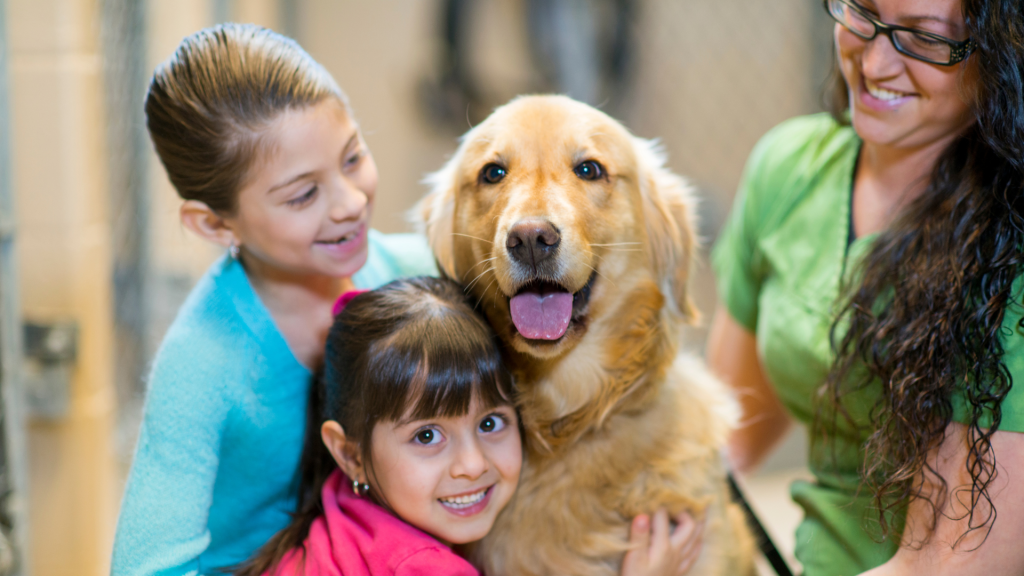
Responsible pet adoption is not just a trendy catchphrase; it embodies a critical movement aimed at creating humane societies and promoting animal welfare across the country. When potential pet owners choose to adopt, they are not only saving a life, but they also tap into a wealth of benefits that extend beyond the immediate joy of welcoming a new furry friend. Here are some of the key reasons why embracing responsible pet adoption is essential.
Creating Healthier Communities
One of the significant implications of responsible pet adoption is the positive impact it has on community health. Research has shown that pet ownership can foster a sense of belonging and connection among individuals in a community, leading to better mental health and emotional well-being. As families adopt dogs, cats, and other pets, they contribute to creating a network of like-minded individuals who share an interest in animal welfare. The more pets that find homes, the less burden is placed on local shelters, leading to healthier ecosystems for both animals and humans.
Understanding the Lifespan of a Pet
Adopting a pet is a long-term commitment that can span many years, with some pets living over a decade. Understanding this commitment means being fully prepared for what lies ahead. The following points are critical for prospective pet adopters to consider:
- Commitment to Lifelong Care: Pets need love, attention, and care throughout their lives, which can range from 10 to 15 years or more. This long-term commitment demands not only emotional investment but also time and energy to dedicate to the new family member.
- Understanding Behavioral Changes: Pets may require training and socialization to adapt to a new environment. With proper guidance, new owners can help their pets develop good manners, which is essential for a harmonious household and community.
- Financial Planning: Potential adopters should be aware of ongoing costs involved in caring for a pet, including food, veterinary bills, and emergency expenses. By planning and budgeting for these costs, families can ensure that their new companions receive the care they deserve.
Being informed and prepared goes a long way in establishing a successful and rewarding relationship between pets and their owners. By understanding what to expect and actively planning for their pets’ futures, adopters can help prevent pets from being surrendered back to shelters due to unforeseen challenges.
The Ripple Effect of Adoption
When individuals choose to adopt a pet, the benefits extend far beyond the walls of their homes. The act of adopting inspires others in the community to consider animal welfare and may lead them to adopt as well. This ripple effect can transform entire communities—sparking increased awareness of the plight of homeless animals and the importance of responsible ownership. Moreover, educational programs and outreach initiatives can flourish as adoption rates rise, bolstering public engagement in animal welfare causes.
Ultimately, responsible pet adoption is a journey that unfolds with every successful match made between humans and their furry counterparts. Each adoption not only changes the life of an animal but also enriches the lives of individuals and families while fostering a more compassionate society.
| Category | Benefits |
|---|---|
| Health Benefits | Adopting pets can enhance your physical and mental well-being through companionship and emotional support. |
| Saving Lives | Each adoption reduces the number of animals in shelters and helps combat the overpopulation crisis. |
| Community Responsibility | Responsible pet ownership promotes a more compassionate society and influences others to adopt instead of buying. |
| Education and Awareness | It fosters understanding of the importance of treating all animals with care and respect. |
Responsible pet adoption is not just about bringing a furry friend home; it is a pivotal act that resonates deeply within communities. The act of adopting a pet carries remarkable health benefits, bolstering emotional well-being and reducing stress levels. Moreover, each adoption is a small yet significant step towards saving lives, as it directly diminishes the number of stray and abandoned animals on our streets. Beyond personal gains, adopting pets champions community responsibility. It encourages a culture of compassion towards animals, urging others to reflect on their choices when considering pet ownership. This shift in perspective can be further enhanced through education and awareness about the implications of having a pet, which plays a crucial role in fostering respect and care for all living beings. As more individuals engage in responsible pet adoption, the collective impact creates a more humane and empathetic society, paving the way for more shelters to thrive and fewer animals to suffer. Understanding these dimensions emphasizes not just the joy of having a pet, but the larger *benevolent ripple effects* it generates.
LEARN MORE: Click here for insights on pet nutrition
Choosing the Right Match for Your Lifestyle
One of the most critical aspects of responsible pet adoption lies in choosing a pet that fits your lifestyle and living situation. Selecting a pet is not merely about picking the cutest animal in the shelter; it’s about understanding and aligning with its needs and characteristics to ensure a harmonious coexistence. The right match can create a fulfilling relationship, while a poor choice may lead to challenges that can jeopardize the well-being of both the pet and the owner.
Assessing Your Environment
Before committing to pet adoption, aspiring pet owners must take stock of their living situation. Factors such as space, accessibility, and family dynamics play a crucial role in determining which kind of pet is suitable:
- Space Considerations: Larger breeds may require ample space to thrive, while smaller pets can adapt well to apartment living. Understanding your environment ensures that your pet has the room to exercise, explore, and engage in behaviors that promote a healthy and happy life.
- Allergies and Health Issues: It’s important to consider any allergies within the household—both human and pet. Some breeds are known to be hypoallergenic, making them ideal for families who suffer from allergies yet still desire a furry companion.
- Active vs. Couch Potato: Different pets have varying energy levels. Active breeds may need plenty of outdoor time and exercise, while others may be content with more sedentary lifestyles. Assessing your activity level and incorporating your pet’s energy needs will lead to mutual satisfaction.
The Role of Education in Responsible Adoption
Education is a cornerstone of responsible pet adoption. Many individuals become enamored with a particular breed based on aesthetics or trends but may not be fully aware of what goes into caring for that breed. Access to educational resources can inform potential pet owners about:
- Breed-Specific Needs: Different breeds come with unique temperaments, grooming requirements, and health considerations. Understanding these needs can help owners create a more informed living environment that fosters good habits.
- Training and Socialization: Proper training and socialization are imperative for ensuring that pets develop into well-adjusted members of society. Owners should seek resources, either through local shelters or educational programs, to learn effective training techniques that address behavioral challenges.
- Community Resources: Many communities offer training classes, socialization opportunities, and pet events that can enhance the adoption experience. Engaging with these resources allows new pet owners to find support and camaraderie amongst fellow animal lovers.
Addressing the Overpopulation Crisis
The necessity of responsible pet adoption becomes even more apparent when considering the ongoing issue of pet overpopulation. According to the American Society for the Prevention of Cruelty to Animals (ASPCA), approximately 6.3 million companion animals enter U.S. animal shelters every year. This staggering number reflects not only a call for responsible adoption but also highlights the importance of spaying and neutering.
By adopting rather than purchasing from breeders, individuals can be part of the solution. Responsible adoption practices contribute to reducing the homeless pet population, ultimately shaping a more responsible pet-owning community. Additionally, adopting pets from local shelters often means that these animals come vaccinated, spayed or neutered, and generally healthier, alleviating some pressure off pet owners while providing a new home for animals in need.
Through education, understanding, and a commitment to adopting responsibly, potential pet owners can make informed decisions that benefit not only themselves but also the broader community and the pets that desperately need loving homes.
DISCOVER MORE: Click here to learn how to find the perfect pet for your family
Conclusion
In conclusion, responsible pet adoption is an essential practice that fosters the well-being of animals, individuals, and the community as a whole. As potential pet owners seek to welcome a furry friend into their lives, it is vital to consider not only the joy these companions bring but also their unique needs and characteristics. Education about breed-specific requirements, environmental suitability, and training can dramatically enhance the adoption experience and ensure a successful transition into a new home.
Moreover, understanding the implications of the current pet overpopulation crisis obliges us to choose adoption over purchasing from breeders. By doing so, we not only provide homes for countless animals in need but also contribute to a larger movement that promotes responsible pet ownership and encourages the reduction of homeless animals. According to the ASPCA, by choosing adoption, we join the fight against a staggering statistic—over 6 million companion animals entering U.S. shelters each year.
Ultimately, embracing responsible pet adoption is about making informed choices that respect and protect the lives of these animals. As we connect with our pets, we create bonds filled with love and understanding that enrich our lives and strengthen our communities. With awareness and commitment, we can ensure that each adoption story is a promising chapter for both the animal and the owner, leading to a fulfilling and harmonious partnership.