The Benefits of Agility Training for Dogs: Building Confidence and Strength
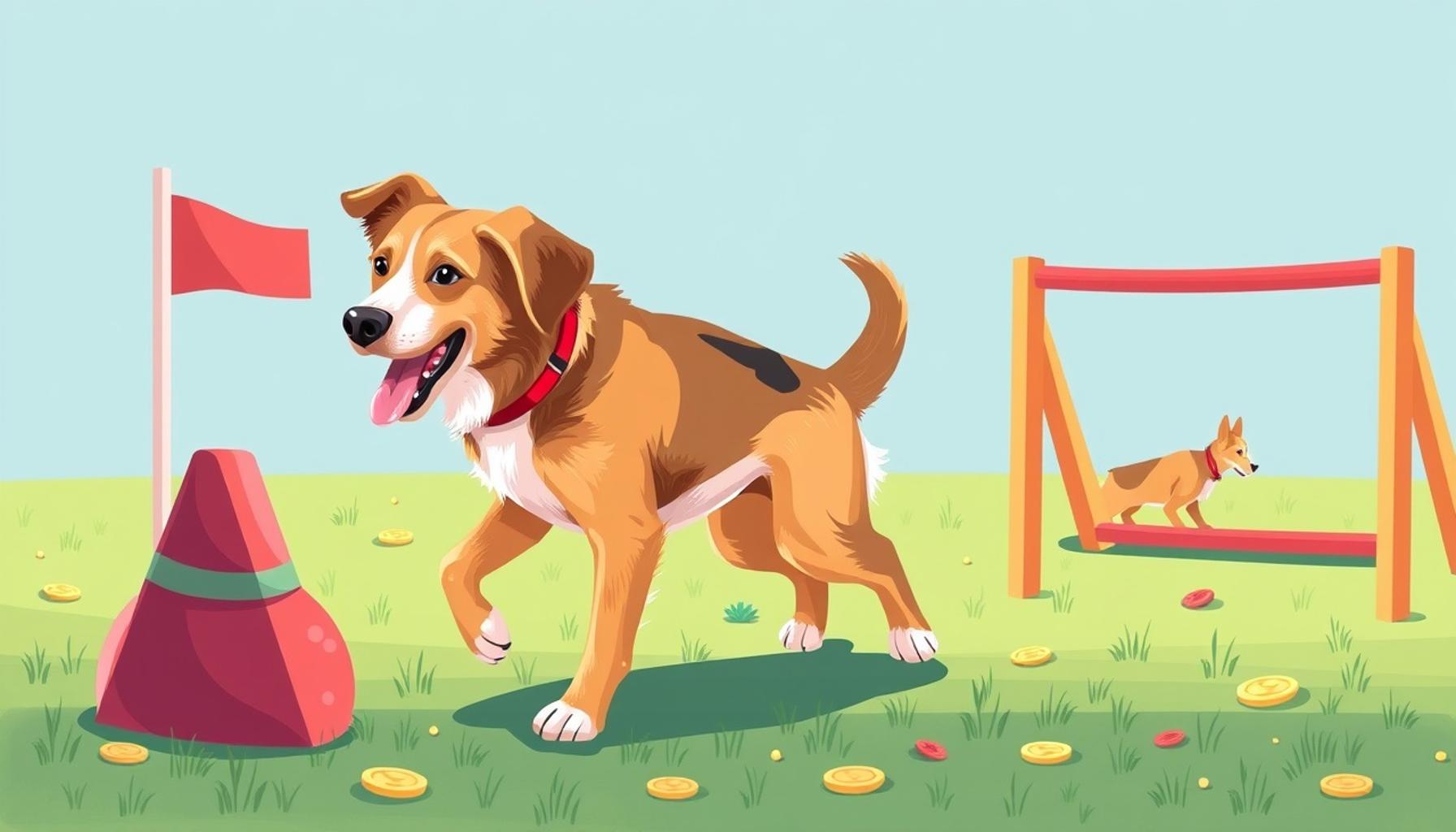
Unleash the Benefits of Agility Training for Your Dog
Agility training, often perceived as an entertaining pastime, goes beyond mere recreation for dogs. It carries profound benefits that can significantly enhance both their physical and mental health. The combination of obstacle courses and dynamic exercises within agility training stimulates a dog’s instincts and capabilities, resulting in transformative effects on their overall behavior and well-being.
Participating in agility training offers a multitude of advantages that cater to various aspects of dog health and behavior. Here are some key benefits:
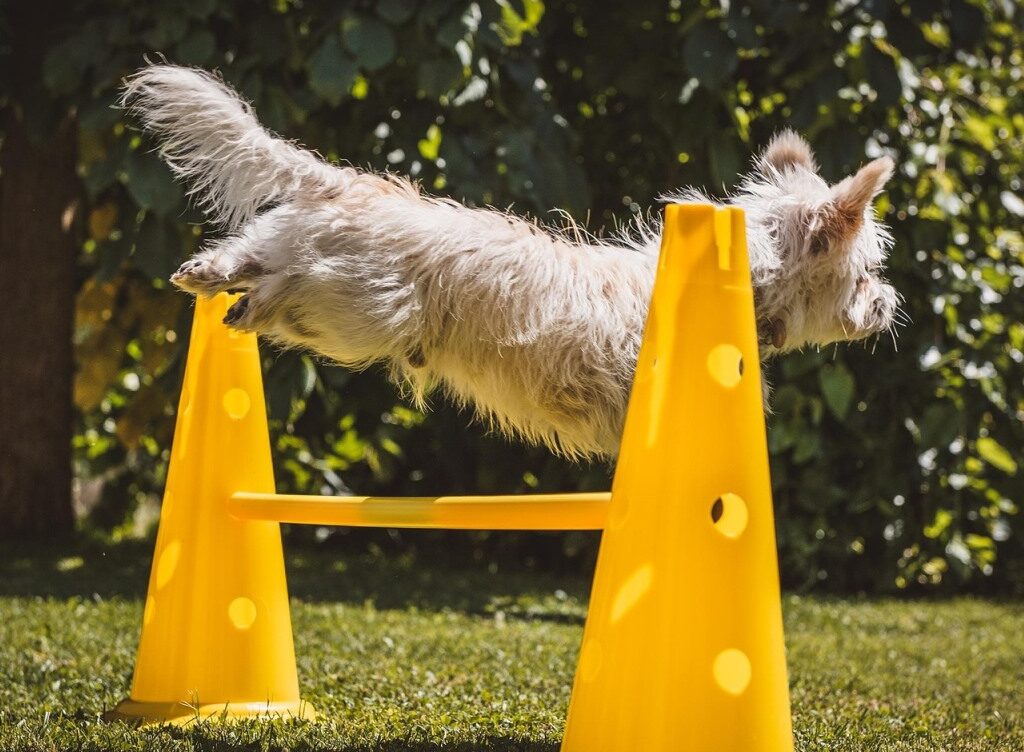
- Increased Confidence: Successfully navigating through challenging obstacles not only enhances physical prowess but also greatly boosts a dog’s self-esteem. For instance, a timid dog that completes a jump or weaves through poles may demonstrate newfound confidence, which can positively influence their behavior in other contexts.
- Improved Physical Strength: Regular participation in agility exercises builds muscle strength and increases endurance. Dogs may develop better coordination and flexibility, which can help in avoiding injuries both during the training and in everyday activities.
- Enhanced Mental Stimulation: Agility training is as much about thinking as it is about physical activity. Problem-solving skills are sharpened during training sessions as dogs learn to strategize how to maneuver obstacles. This cognitive engagement keeps their minds active and engaged, which can stave off behavioral issues such as boredom-related destructive behavior.
- Stronger Bonding: Engaging in agility training creates a unique opportunity for bonding between dog and owner. By working closely together, owners can reinforce positive behaviors using rewards and praise, fostering a deeper relationship based on trust and teamwork.
In addition, agility competitions have gained significant traction across the United States, showcasing the athleticism and skills of various dog breeds. Events held by organizations such as the American Kennel Club (AKC) draw crowds eager to witness the capabilities of these well-trained animals. These competitions not only entertain but also serve as a platform to highlight how agility training can create well-rounded companions that actively participate in their owners’ lives.
Moreover, agility courses can be tailored to accommodate dogs of all ages and skill levels. Whether you are introducing a curious puppy to the basics of agility or adapting the course for an older dog with specific physical considerations, the flexibility of training makes it accessible to everyone. Simple setups in your backyard or more elaborate courses at dog training facilities can suit your lifestyle and your dog’s capabilities.
As you enter the enriching world of agility training, prepare to witness remarkable changes in your dog’s confidence and physical capabilities. The journey not only strengthens your dog but also enhances the joy and fulfillment of your shared experiences, creating lasting memories together.
LEARN MORE: Click here to discover harmful foods for your pets
Transforming Your Dog Through Agility Training
Agility training is not just a fun activity for dogs; it’s a multifaceted approach that promotes confidence, strength, and an overall improved behavioral framework. As you delve deeper into the nuances of agility training, you’ll discover that its benefits extend well beyond physical fitness, directly impacting your dog’s mental and emotional well-being.
One of the most striking outcomes of agility training is the noticeable increase in a dog’s confidence. Dogs are natural learners, and when they are consistently challenged to navigate obstacles, they develop a sense of achievement that translates into a boost in self-esteem. For example, a shy dog that may have once hesitated to engage with new environments or other dogs often transforms into a more assertive and secure companion after successfully completing an agility course. Witnessing a timid dog conquer their fears fosters a remarkable bond between the animal and its owner, creating a more integrated partnership.
Moreover, building physical strength through agility training is essential for every dog’s health. Regular participation in agility exercises promotes the development of core muscles, enhances balance, and builds cardiovascular endurance. Not only does this contribute to a more robust physique, but it also reduces the risk of injuries in everyday activities. Traditional exercise, like long walks or runs, is beneficial, but agility training adds an element of intensity that can lead to improved fitness levels, making it particularly advantageous for high-energy breeds.
In addition to physical benefits, agility training is a powerful tool for delivering enhanced mental stimulation. As dogs learn to navigate courses, they are required to think critically and make quick decisions. The challenges they face daily in an agility training setting stimulate their problem-solving skills, turning exercise sessions into engaging puzzles that ignite their curiosity and intellect. It’s this cognitive engagement that is imperative for preventing common behavioral issues that arise from boredom, such as excessive barking or destructive chewing. Trainers often highlight that providing mental challenges is just as important as physical activity in keeping dogs happy and well-behaved.
- Increased Confidence: Overcoming obstacles leads to higher self-esteem.
- Improved Physical Strength: Builds muscle and endurance, promoting overall health.
- Enhanced Mental Stimulation: Encourages critical thinking and problem-solving abilities.
- Behavioral Improvements: Helps reduce boredom-related issues.
Particularly in the United States, the popularity of agility training is rapidly growing, echoing a collective desire among dog owners to engage their pets in fulfilling activities. Local dog training clubs and schools offer classes from beginner to advanced levels, making agility an easily accessible and rewarding endeavor for a wide range of dog breeds and ages.
As more dogs and their owners engage in this enriching activity, the stories of transformation continue to inspire. Agility training serves not just as a sport but as a cornerstone for building deep-rooted confidence, strength, and resilience in our canine companions.
| Advantages | Details |
|---|---|
| Enhanced Physical Fitness | Agility training improves a dog’s strength, endurance, and overall health through diverse exercises. |
| Increased Confidence | Mastering obstacles during agility training builds self-esteem in dogs, fostering positive behavior. |
| Socialization Opportunities | Engaging in training classes allows dogs to interact with others, enhancing their social skills. |
| Strengthened Bond with Owner | Working together during training enhances the human-canine bond, fostering trust and teamwork. |
Agility training not only contributes to a dog’s physical wellness, making them more active and energetic, but it also plays a pivotal role in their psychological development. Overcoming obstacles and navigating courses builds their confidence, which can positively affect their behavior outside of training. Furthermore, agility courses require dogs to listen to their handlers, enhancing their focus and responsiveness. The combination of physical exercise and mental stimulation can lead to happier, more balanced pets. Engaging in a fun, structured activity can result in fewer behavioral issues, promoting a peaceful environment at home. Owners seeking a fulfilling activity to engage with their dogs should consider the myriad benefits that agility training can offer.
DISCOVER MORE: Click here to learn about community initiatives
The Social Benefits of Agility Training
Beyond the individual gains of confidence, strength, and mental stimulation, agility training fosters critical social interactions for both dogs and their owners. This aspect often goes unnoticed but plays a vital role in enhancing the overall behavioral framework of dogs. Particularly in busy urban settings in the United States, where socialization can sometimes be limited, agility training provides an ideal environment for dogs to interact with peers and humans alike.
During agility classes and competitions, dogs are exposed to various breeds and personalities, encouraging them to engage in play and social exchanges. This exposure is particularly beneficial for dogs that may exhibit fear or anxiety around unfamiliar animals or people. As they navigate agility challenges in a group setting, they learn to read social cues, developing essential communication skills that translate to more relaxed and confident interactions outside training environments. Trainers have noted that many previously anxious dogs transform into sociable pets after experiencing the collective atmosphere of agility training.
Moreover, the benefit of agility training extends to the owners, who often find themselves part of a supportive community. This social engagement allows dog owners to share experiences, seek advice, and even develop friendships. The camaraderie built among owners enhances the training experience, as they collectively cheer each other on during practice sessions and competitions. This community-centered approach not only enriches the training process but also fosters a sense of belonging for owners who may initially feel isolated in their pet parenting journey.
- Enhanced Social Interaction: Dogs learn to interact positively with other dogs and humans.
- Community Building: Owners connect with others, sharing experiences and advice.
- Improved Anxiety Management: Exposure to various stimuli helps reduce fearfulness.
A Boost for Physical Rehabilitation
Dog owners may be surprised to learn that agility training can also serve as an excellent tool for rehabilitating dogs who have experienced injuries or surgeries. The focus on controlled movements and gradual progression through obstacle courses can aid in rebuilding strength and coordination in dogs recovering from physical setbacks. Professional trainers often design agility programs specifically tailored to these dogs, allowing them to regain their physical fitness while promoting mental engagement through fun and varied activities.
This rehabilitation aspect of agility training is supported by veterinary recommendations; many vets advocate incorporating gentle agility exercises as part of a holistic recovery plan. The agility equipment also encourages dogs to use their bodies in multiple ways, which can help restore full range of motion and ensure balanced use of muscles, effectively preventing future injuries.
For example, a dog that had undergone knee surgery can gradually rebuild muscle strength and improve joint stability by navigating low jumps, weave poles, and tunnels. This method not only expedites physical healing but also contributes to the dog’s overall emotional well-being, as they remain active and engaged during their recovery process.
- Assistance in Rehabilitation: Controlled agility activities help recover from injuries.
- Promotes Full Range of Motion: Encourages balanced muscle use.
- Fun Reinforces Recovery: Keeps dogs engaged and motivated during healing.
As agility training continues to gain momentum in the United States, the many layers to its benefits become increasingly apparent. The ripple effects of this engaging activity transcend the individual dog, reaching their owners and the broader community, establishing agility as a cornerstone of healthy and enriching canine life.
DISCOVER MORE: Click here to learn about enriching your pet’s environment
Conclusion: A Comprehensive Approach to Canine Wellness
In summary, agility training offers a multifaceted range of benefits that extend far beyond mere physical exercise. By fostering not only confidence and strength but also crucial socialization opportunities for dogs, this training method serves as an effective tool for enhancing overall canine well-being. As dogs navigate through various obstacles, they not only build muscle and agility but also develop the ability to interact positively with other dogs and people. This interaction helps reduce anxiety and fearfulness in pets, turning timid companions into vibrant members of the community.
Furthermore, agility training plays an essential role in the rehabilitation process for dogs recovering from injuries or surgeries. By incorporating controlled movements and gradually increasing challenge levels, agility practices reinforce physical strength and promote healing while keeping the dog mentally stimulated and engaged. This holistic approach to health underscores the significance of including agility activities as part of a comprehensive recovery plan.
Ultimately, as awareness of these benefits grows across the United States, agility training emerges as an indispensable aspect of responsible dog ownership. It cultivates not only a healthier and happier pet but also a sense of belonging among dog owners, facilitating community connections and shared experiences. Embracing agility training allows both dogs and their owners to embark on a rewarding journey of growth and companionship, establishing lasting bonds that thrive in an active and engaging environment.